
The green and digital transformation is the way forward for the future of the tourism ecosystem
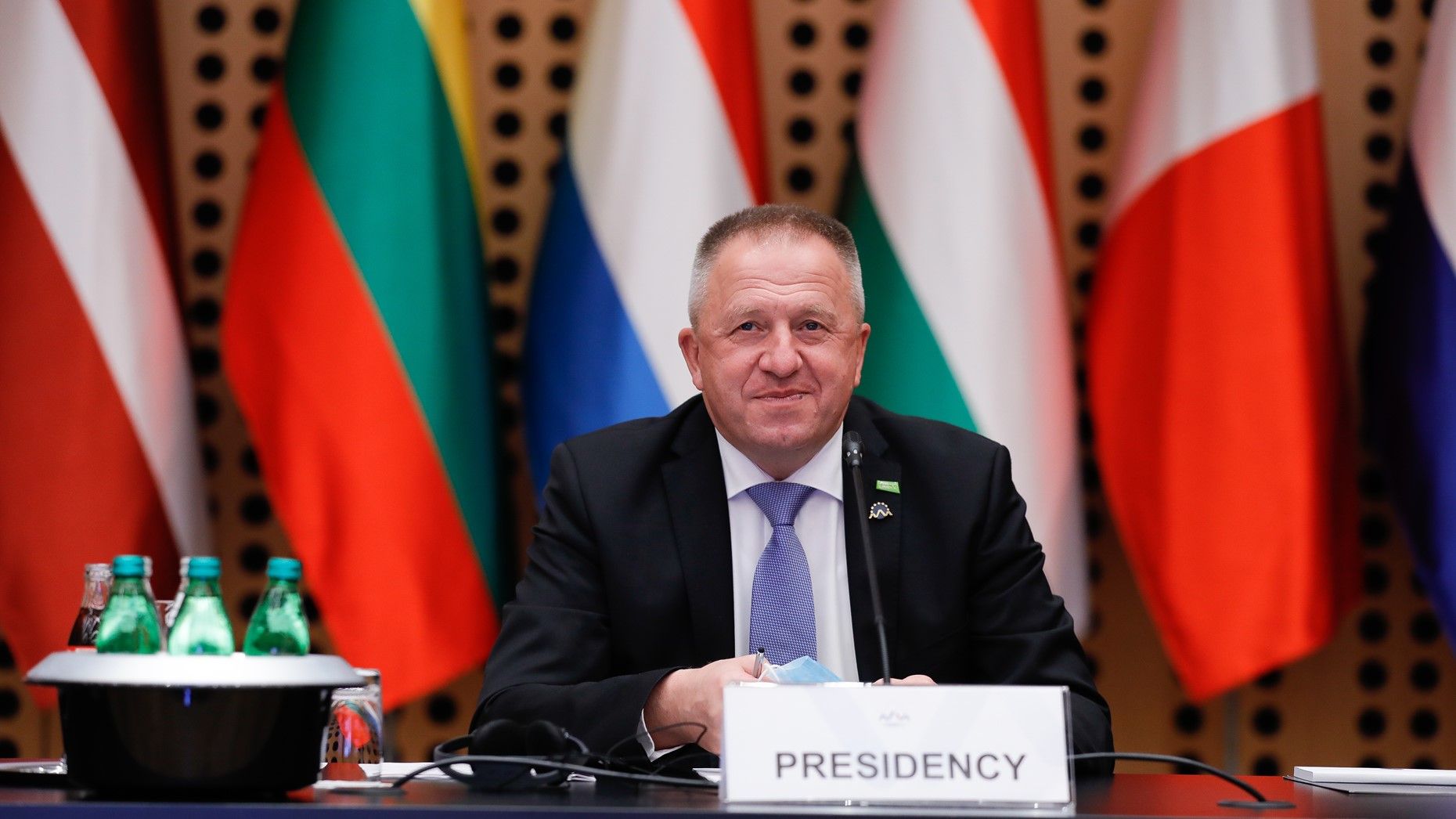
Last 16 November 2021, EU tourism ministers held an informal meeting via an audio-video link. The debate focused on the transition pathway for a green and digital transformation of the European tourism ecosystem by 2030.
The meeting was chaired by the Minister of Economic Development and Technology, Zdravko Počivalšek, who opened the meeting by saying that the European Union had managed to take the first emergency measures in 2020 and 2021 to help the tourism industry in the wake of the COVID-19 pandemic. “This helped the tourism ecosystem overcome the first shock. However, it is essential that these short-term measures are followed by longer-term ones”. He stressed: “The tourism ecosystem needs to be transformed in a way that makes it more resilient, sustainable and ready for the new market challenges and for changing patterns of behaviour of tourism consumers.”
At the meeting, the ministers discussed key actions to prepare a concrete set of measures for the recovery of the tourism ecosystem. These measures will facilitate the “transition pathway for recovery”, with a focus on promoting the green and digital transition of the tourism ecosystem.
They agreed that tourism recovery must be at the heart of the green and digital transition and that we need to build a sustainable and resilient tourism ecosystem. In this context, they stressed the need to strengthen the resilience of European businesses and industry, also in the light of future crises. They further drew attention to the need to restore safe tourism travel and to rebuild consumer confidence in it. They recalled the importance of an open and well-functioning single market that will ensure open transport routes, and highlighted the importance of financing the recovery of the tourism sector.
The ministers also stressed the importance of education and training, as well as the relevant re-skilling and up-skilling in the tourism ecosystem. This is important to ensure that people have the right skills to meet the challenges of digitalisation and the green transition.
An important part of the recovery and twin transition is the provision of suitable databases and common data spaces for data sharing. Innovation for the tourism ecosystem needs to be strengthened and business processes need to be accelerated. In their discussions, the ministers called for the differences in development between EU member states and regions to be taken into account, as remote and island regions are a specific type of region that also requires sustainable and digital solutions. The ministers also called for the involvement of all stakeholders in the recovery process at all levels. They stressed the importance of sharing best practices and the need to ensure sufficient time to prepare recovery measures.
The ministers concluded the discussion by agreeing that the transition pathway provides a good basis for the preparation of the European Tourism Agenda 2030–2050. In conclusion, the minister chairing the meeting said that this discussion would make an important contribution to the continuation of efforts to complete the transition pathway for the recovery of the tourism ecosystem. “Given the Presidency’s vision of a safe, green, smart, responsible, inclusive European tourism of the future, I am proud that Slovenia has already committed to green and sustainable tourism before the COVID-19 crisis. It is essential that the EU also embarks on the twin transition if we are to maintain Europe’s global competitiveness and be the number one tourist destination in the world. This must be our common goal!” he said, concluding today’s meeting.
More information
Publicaciones relacionadas:
 EU4Environment: helping Eastern Partnership become greener
 Greek island Tilos picks up award for clean energy transition
 First LIFE Call for Proposals 2021 opened
 “Less is more” : the Bauhaus spirit
 A study by the University of Almeria details the important microbiological diversity in the fight against desertification
Leave a Reply