
Following the Conference on the Future of Europe and in the context of unprecedented challenges and multiple crises, MEPs put forward proposals to change the EU.
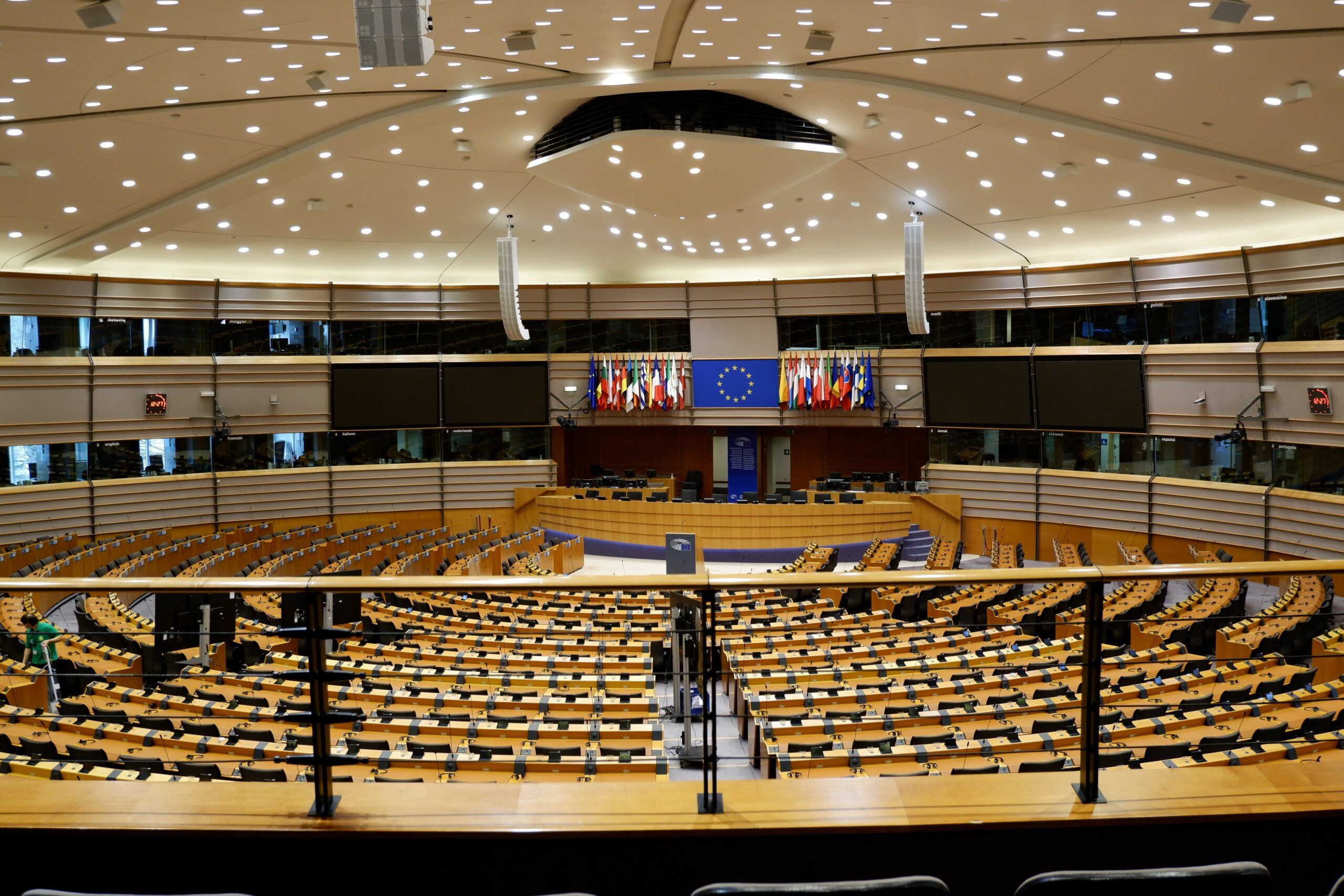
Parliament is advocating reforms that will enhance the EU’s capacity to act and strengthen the say of citizens. Key among the proposals by MEPs are:
- a more bicameral system and fewer deadlocks in the Council, through more decisions by qualified majority voting and the ordinary legislative procedure;
- a fully-fledged right of legislative initiative, and a co-legislator role for Parliament for the long-term budget;
- an overhaul of the rules for the Commission’s composition (rebranded as the “European Executive”), including the election of its President (with the nomination to be done by Parliament and the approval by the European Council – a reversal of the current process), limiting the number of Commissioners to 15 (rotating between the member states), enabling the Commission President to choose their College based on political preferences with geographic and demographic balance in mind, and a mechanism to censure individual Commissioners;
- significantly greater transparency in the Council by publishing EU member state positions on legislative issues; and
- more say for citizens through an obligation for the EU to create appropriate participatory mechanisms and by giving European political parties a stronger role.
More EU-level cooperation
MEPs call for more powers for the EU on environmental issues, as well as shared EU powers in the following areas currently within the member states’ exclusive remit: public health (especially cross-border health threats and including sexual and reproductive health and rights), civil protection, industry, and education. Existing shared powers should be developed further in the areas of energy, foreign affairs, external security and defence, external border policy, and cross-border-infrastructure.
The report, approved with 305 votes in favour, 276 against, and 29 abstentions, was prepared by five co-rapporteurs representing a broad majority in Parliament. The accompanying resolution was adopted with 291 votes in favour, 274 against, and 44 abstentions. Quotes by the five lead MEPs can be found here.
By adopting this report, Parliament is responding to citizens’ expectations for a more effective and democratic EU, in line with the proposals of the Conference on the Future of Europe.
Next steps
Now that MEPs have reiterated their call to amend the EU Treaties and called on the Council to “immediately and without deliberation submit the proposals […] to the European Council”, it is up to the EU heads of state or government to set up a Convention – a decision by simple majority. The Spanish Presidency of the Council is expected to submit the proposals to the European Council in December. Find out more about how the EU Treaties are modified.
Publicaciones relacionadas:
 Corruption scandal: MEPs insist on reforms for transparency and accountability
 10 milestones of 2022 in the European Union
 European Parliament identifies worrying trends in rule of law on specific issues affecting Spain, Greece and Malta
 MEPs see “strong indications” that the governments of Morocco and Rwanda have spied on high-profile EU citizens
 MEPs to discuss citizens’ petitions related to COVID-19
Leave a Reply