
The EU-funded BionovFOOD project is proposing novel approaches to converting grape marc and other biorefinery by-products into protein-rich ingredients for the creation of new food products.
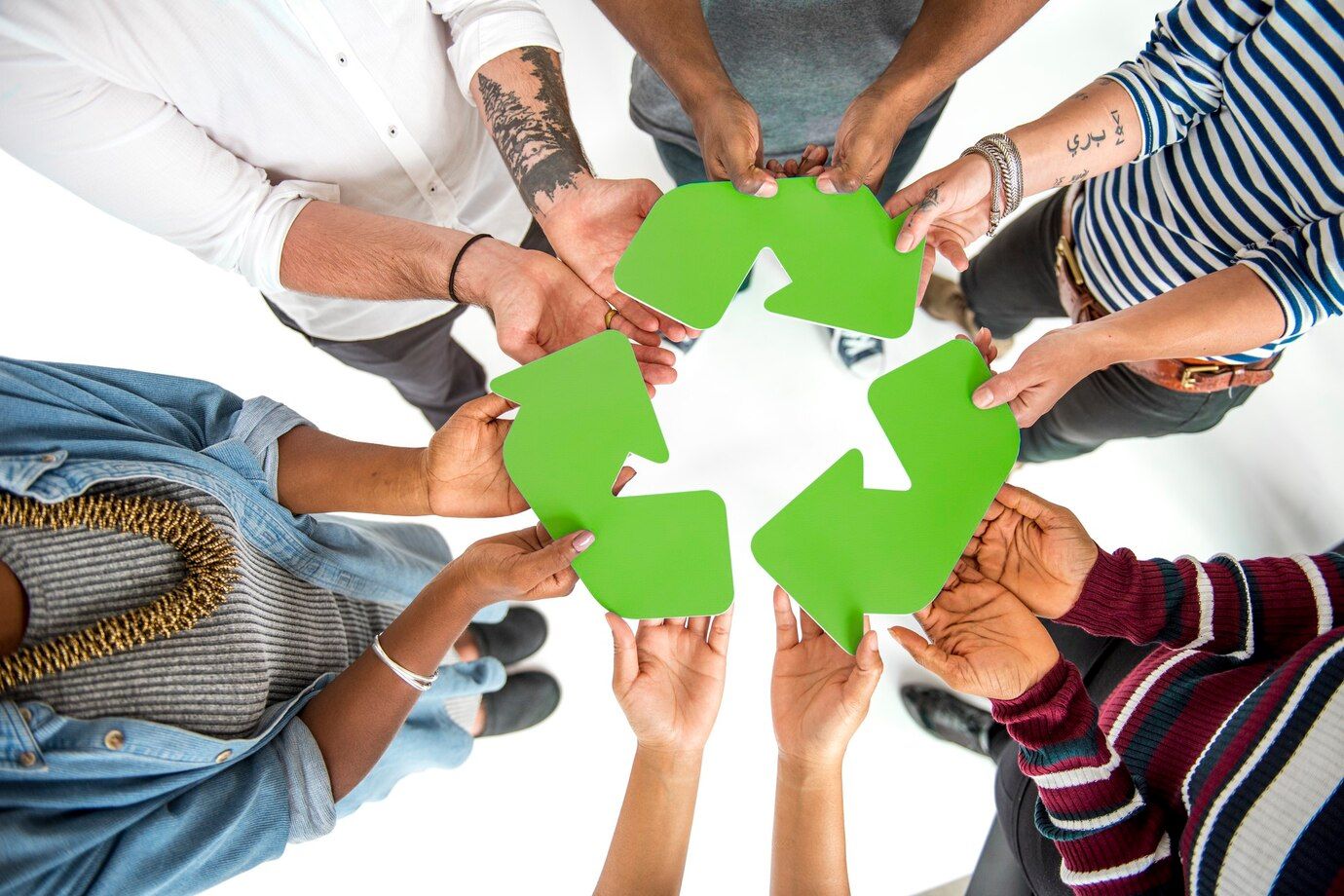
As the world’s population steadily increases, so does the need for new, sustainable food sources. Unfortunately, today’s food production systems are plagued by inefficiencies, resulting in rising by-product loss and industrial waste. Focusing on one of these areas, namely the significant waste generated by winemaking and distillation industries, the BionovFOOD project is developing techniques and solutions to exploit organic biorefinery by-products. The aim is to create high-value, protein-rich food ingredients based on fungi for new bio-based food products. The organic waste that BionovFOOD is converting into climate-smart, alternative protein sources includes grape marc, wine lees and vinasse. “The project seeks to demonstrate these processes on a pilot and demo scale, assess their environmental sustainability, and create novel food products that are nutritious and sustainable,” states Matteo Marangon, a researcher at project coordinator University of Padova, Italy.
Adding value to distillery residues
Since its launch in September 2023, BionovFOOD has successfully integrated organic residues from distilleries into a biorefinery system, in this way introducing novel valorisation approaches by producing fungi-based, protein-rich biomass. The cultivations have been subjected to a small-scale optimisation process to identify the optimal growing conditions for edible filamentous fungi, and pilot and demo-scale processes have been developed for converting distillery by-products into novel fungi-based meat alternatives. Tests have also been carried out to assess the digestibility of substrates and fungal protein-rich biomass, with positive outcomes. “The results indicate that this new green bioprocessing and valorisation route for organic residues generated by the distillery industry represents a great opportunity for the sector,” comments Marangon. “It promises to improve its overall sustainability by offering the possibility to convert organic residues into safer and nutritious end products with benefits for both agriculture and the environment.” Next on the agenda for BionovFOOD is the design, production and testing of the new meat alternative produced and comparing it with other meat alternatives currently available on the market. The BionovFOOD (GREEN PROCESSING AND VALORIZATION OF ORGANIC BY-PRODUCTS OF DISTILLERIES, AS NOVEL APPROACHES FOR CLIMATE-SMART PROTEIN APPLICATIONS FOR ALTERNATIVE FOOD AND CIRCULAR BIO-ECONOMY) project’s ultimate goal is to add value to the food sector by offering a viable solution for transforming distillery by-products into sustainable, environment friendly protein sources, reducing waste and promoting a circular economy.
More information CORDIS.
Publicaciones relacionadas:
 EU launches roadmap with partners at COP29 to reach the goal of reducing methane emissions by at least 30% by 2030
 EU continues to be a global leader on sustainable finance
 EU secures agreement on carbon market rules and new climate finance goal
 Zero Pollution: New EU rules enter into force for cleaner air by 2030
 Indicating the way forward for sustainable European aviation
Leave a Reply