• Skip to primary navigation
  • Skip to main content
  • Skip to primary sidebar
  • Skip to footer
  • Bluesky
  • Facebook
  • Instagram
  • Twitter
  • YouTube
CDE Almería – Centro de Documentación Europea – Universidad de Almería

CDE Almería - Centro de Documentación Europea - Universidad de Almería

Centro de Documentación Europea de la Universidad de Almería

  • HOME
  • WHAT´S ON
    • EU NEWS
    • Activities
    • EU Calls and Awards
    • Radio Program «Europe with You»
  • DOCUMENTATION
    • EU Media Collection
      • Web Space
      • MEDIATHEQUE REPOSITORY
  • Europe on the net
    • Institutions
    • EU Representation in Spain
    • European information network of Andalusia
  • ABOUT US
    • Presentation
    • Services
    • People
    • Contact
  • Spanish
  • English

European Parliament calls for prudent use of antibiotics and more support for research

Inicio » EU News » Health » Farmaceutical » European Parliament calls for prudent use of antibiotics and more support for research

2 de June de 2023

Parliament adopted its recommendations on Thursday for a coordinated EU response to health threats posed by antimicrobial resistance.

Cóctel lleno de pastillas blanca sobre fondo de color naranja

In a resolution passed with 525 votes in favour, two against and 33 abstentions, MEPs say the successful tackling of antimicrobial resistance (AMR) requires the prudent use of antibiotics for humans and animals, good infection prevention and control measures, and more research and development into novel antimicrobials and alternatives to antimicrobials.

MEPs also said that if the measures recommended to member states prove insufficient, further legislative action at the EU level would be needed.

National measures to prevent, monitor and reduce the spread of AMR

The text calls on EU countries to put in place, implement and regularly update (at least every two years) ‘National Action Plans’ against AMR, as a priority for their national health systems.

To support the prudent use of antimicrobials for human health, MEPs want to improve data collection, including real-time data, both on AMR and antimicrobial consumption. They also ask the Commission to establish an EU-level database.
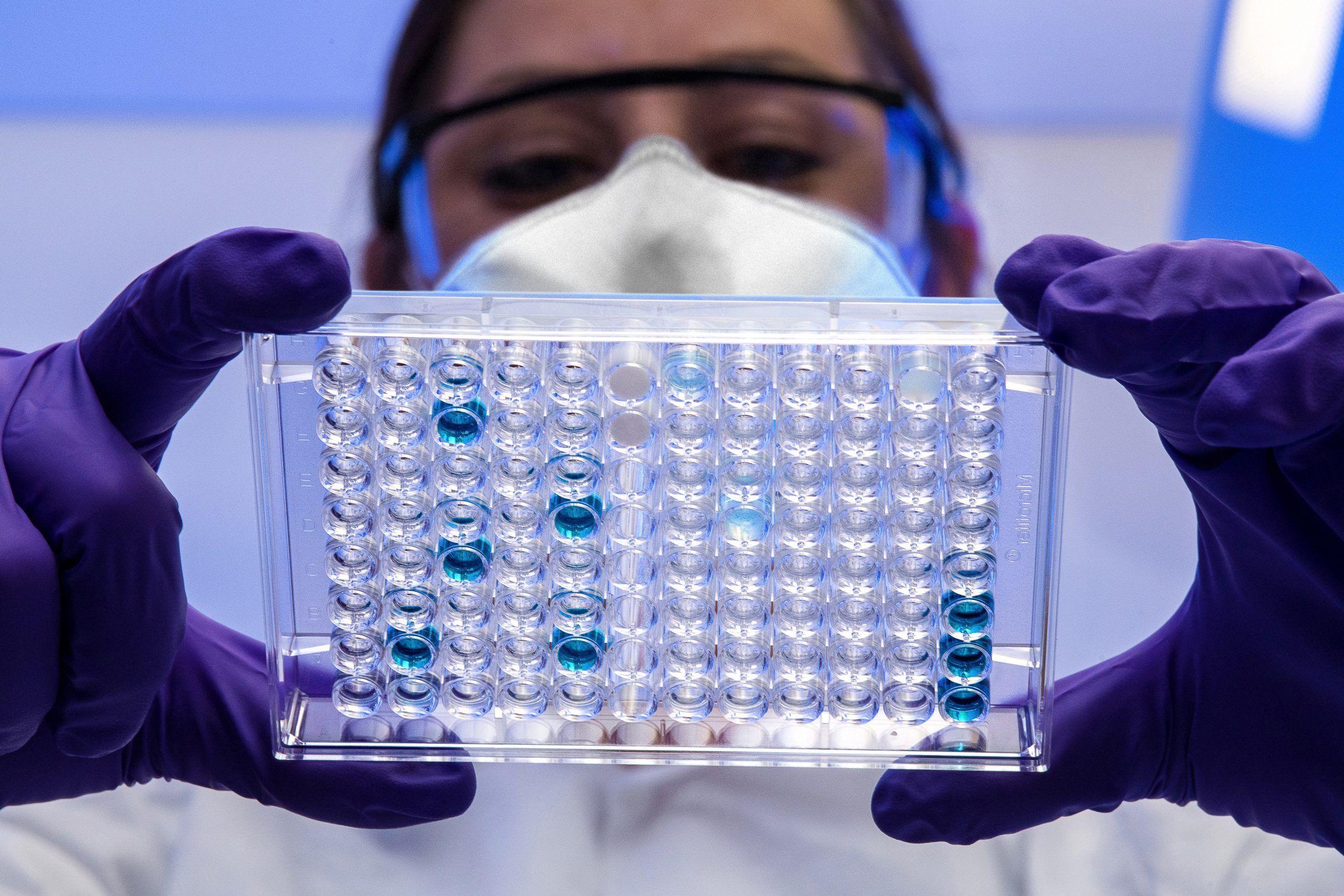
Antimicrobial resistance remains a health threat in Europe

Addressing antimicrobial consumption

While they agree with the target proposed by the Commission to reduce by 2030 the total human consumption of antibiotics in the EU by 20%, MEPs insist that national measures must also ensure that at least 70% of antibiotics consumed belong to the “access group” as defined in the WHO’s AWaRe classification (antibiotics that are efficient against a wide range of commonly encountered pathogens while also showing lower resistance potential).

Support for research and prevention of medicines shortages

The resolution calls on member states and the Commission to support research data sharing and technological innovation for the detection, prevention and treatment of infections in humans caused by antimicrobial resistant pathogens. In this context, MEPs say the creation of a European partnership should involve all stakeholders (industry, patient organisations, academia) and should be accessible to SMEs.

They underline the importance of coordinating national initiatives on manufacturing, procurement and stockpiling, in order to prevent medicines shortages and significantly improve the continuity of supply of antimicrobials and other AMR countermeasures in the EU.

Next steps

Member states are expected to adopt the Commission proposal for a Council recommendation on combatting AMR in mid-June.

More information: European Parliament

Publicaciones relacionadas:
Commission secures agreement with BioNTech-Pfizer on the delivery of COVID-19 vaccines Regulatory flexibility to ensure availability of veterinary medicines during COVID-19 Coronavirus Global Response: €7.4 billion raised for universal access to vaccines Statistics: COVID-19 evolution in the Western Pacific – May Statistics: COVID-19 evolution in Eastern Mediterranean – May



Diseases,  EU News,  Farmaceutical,  Health antimicrobial,  European Union,  Research,  resistance

“This is a space for debate. All comments, for or against publication, that are respectful and do not contain expressions that are discriminatory, defamatory or contrary to current legislation will be published”.

Reader Interactions

Leave a Reply Cancel reply

Your email address will not be published. Required fields are marked *

This site uses Akismet to reduce spam. Learn how your comment data is processed.

Primary Sidebar

Footer

  • CDE Almería
  • Biblioteca Nicolás Salmerón – Universidad de Almería
  • Planta: 1ª, Despacho: 1.05.0B.
  • Ctra. Sacramento s/n. Almería (Spain)
  • Teléfono: (+34) 950 015266

HOME
NEWS
DOCUMENTATION
EUROPE ON THE NET
ABOUT US

  • LEGAL NOTICE
  • PRIVACY POLICY
  • COOKIE POLICY
  • ACCESSIBILITY
  • SITEMAP

Copyright © 2026 CDE Almería · Creative Commons LicenseThis work is licensed under a Creative Commons Attribution-NonCommercial 4.0 International License.

<p>El Centro de Documentación Europea de la Universidad de Almería utiliza cookies propias y de terceros para facilitar al usuario la navegación en su página Web y el acceso a los distintos contenidos alojados en la misma. Asimismo, se utilizan cookies analíticas de terceros para medir la interacción de los usuarios con el sitio Web. Pinche el siguiente enlace si desea información sobre el uso de cookies y como deshabilitarlas. </p>

Politica de privacidad

El Centro de Documentación Europea de la Universidad de Almería utiliza cookies propias y de terceros para facilitar al usuario la navegación en su página Web y el acceso a los distintos contenidos alojados en la misma. Asimismo, se utilizan cookies analíticas de terceros para medir la interacción de los usuarios con el sitio Web. Pinche el siguiente enlace si desea información sobre el uso de cookies y como deshabilitarlas. <a href="/politica-de-cookies" rel="noopener" target="_blank">Más información</a>

Cookies estrictamente necesarias

Las cookies estrictamente necesarias tiene que activarse siempre para que podamos guardar tus preferencias de ajustes de cookies.

Básicamente la web no funcionara bien si no las activas.

Estas cookies son:

  • Comprobación de inicio de sesión.
  • Cookies de seguridad.
  • Aceptación/rechazo previo de cookies.
Cookies de terceros

Esta web utiliza Google Analytics, Google Tag Manager y Yandex Metrika para recopilar información anónima tal como el número de visitantes del sitio, o las páginas más populares.

Dejar estas cookies activas nos permite mejorar nuestra web.

Política de cookies

Pinche el siguiente enlace si desea información sobre el uso de cookies y como deshabilitarlas. Más información