
The first Antimicrobial resistance surveillance in Europe report published jointly by the European Centre for Disease Prevention and Control (ECDC) and the WHO Regional Office for Europe on 26 January 2022, provides a pan-European overview of the antimicrobial resistance (AMR) situation in the European region, featuring data from 2020.
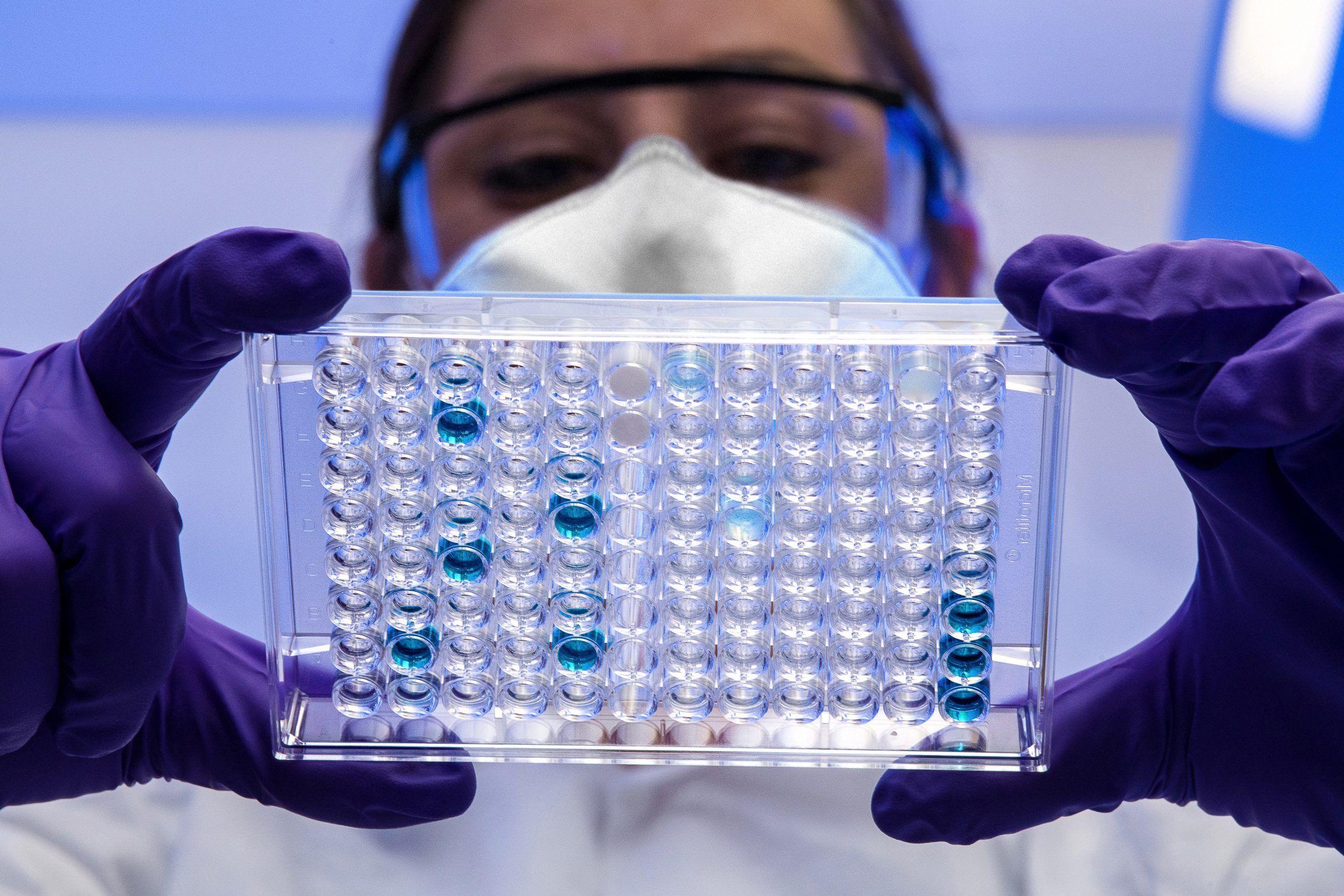
The report presents a regional and European Union/European Economic Area (EU/EEA) overview, including traffic light maps for priority drug-bug combinations of public health relevance, as well as 42 country and area profiles. This marks an important step in further harmonising the AMR reporting in the European Region.
With more than 670 000 drug-resistant bacterial infections occurring in the EU/EEA alone and approximately 33 000 people dying as a direct consequence of these infections, the health burden of AMR is comparable to that of influenza, tuberculosis and HIV/AIDS combined.
Results presented in the report show clearly that AMR is widespread in the WHO European Region. While assessing the exact magnitude of AMR remains challenging in many settings, the presence of specific AMR patterns across clinical settings covered by the surveillance networks is apparent.
High percentages of resistance to third-generation cephalosporins and carbapenems in K. pneumoniae, and high percentages of carbapenem-resistant Acinetobacter spp. in several countries, are of concern. They suggest the dissemination of resistant clones in healthcare settings and indicate, in many countries/areas, the serious limitations in treatment options for patients with infections caused by these pathogens.
As antimicrobial-resistant bacteria cannot be contained within borders, these results underline the need for concerted action to combat AMR throughout the WHO European Region.
Resistance to last-line antibiotics, such as vancomycin and those in the carbapenems group, is a major issue. When these antibiotics are no longer effective, there are very limited treatment options which might not work in all situations, sometimes leading to fatal outcomes. Resistance to last-line antibiotics also compromises the effectiveness of life-saving medical interventions such as cancer treatment and organ transplantation.
Robust investments in interventions to address AMR are urgently needed and would have a significant positive impact on population health and future healthcare expenditures in the region.
Source: ECDC
More information:
HORIZON EUROPE: Pandemic preparedness
Antimicrobial resistance and the food production environment: sources and control options
Antimicrobial resistance surveillance in Europe 2022 – 2020 data
Publicaciones relacionadas:
 COVID-19: Commission steps up research funding and selects 17 projects in vaccine development, treatment and diagnostics
 Coronavirus: MEPs call for solidarity among EU member states
 COVID-19: IFRC, UNICEF and WHO issue guidance to protect children and support safe school operations
 Coronavirus: EFSA states that there is no evidence that food is a source or transmission route
 The Government mobilizes a plan of economic measures to mitigate the impact of COVID-19
Leave a Reply