
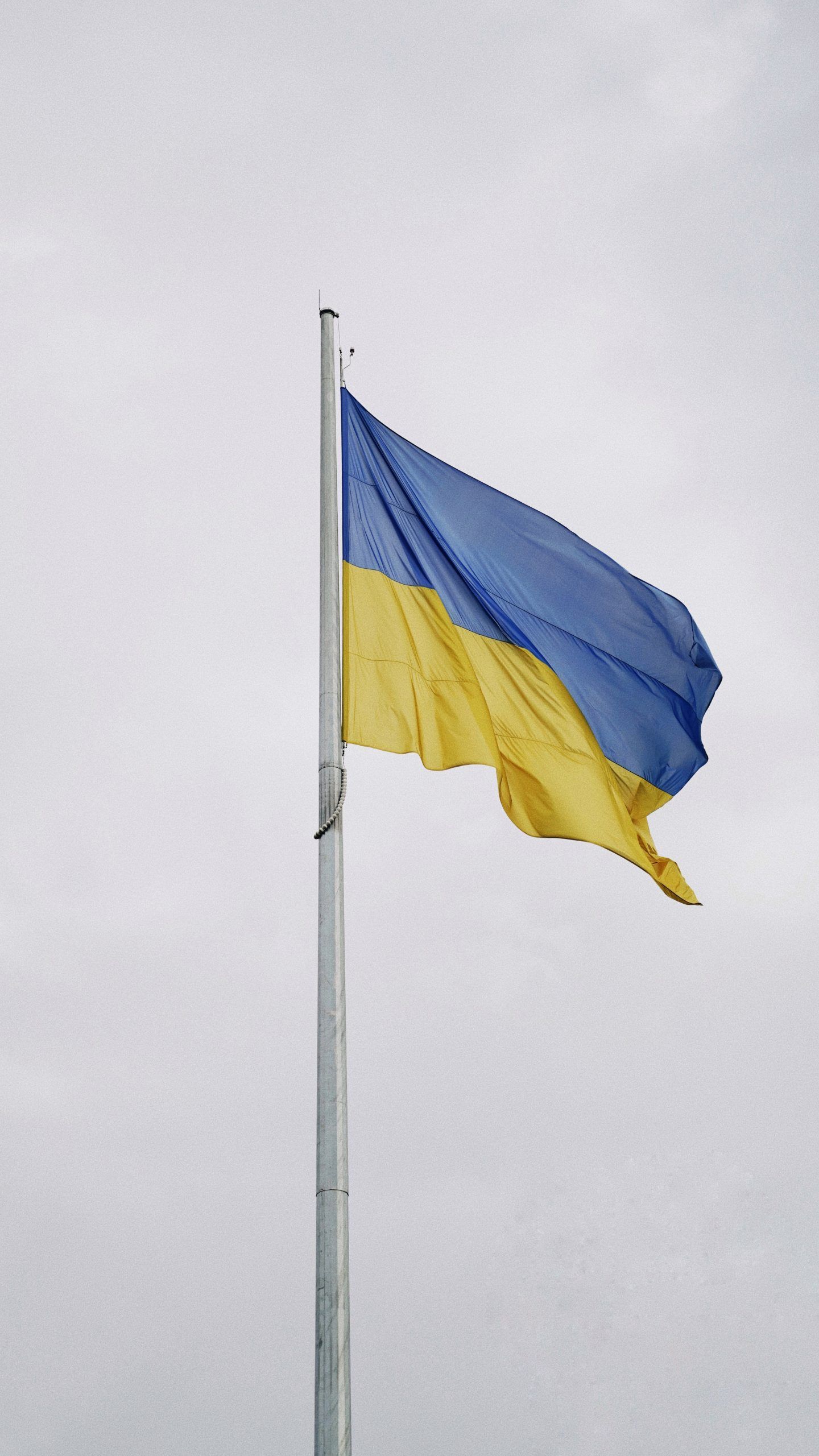
Following the Commission’s meeting with the Ukrainian government in Kiev on February 2, the EU-Ukraine Summit on February 3, the Commission, in cooperation with Ukrainian organizations and Commissioner Virginia Sinkevich, launched the new European Bauhaus reconstruction and capacity building program for Ukraine on February 16. during a visit to Kiev. 17 to discuss cooperation and assistance for sustainable reconstruction efforts in Ukraine and the Phoenix Initiative.
The program was launched this afternoon at a high-level event attended by Commissioner Virginijus Sinkevičius. The purpose of the capacity building program is to provide ideas and practical assistance to municipalities involved in the reconstruction of Ukraine. The program is organized and in cooperation with Ukrainian partners Ro3kvit, ReThink, East Covenant of Mayors and the Council of European Architects. President Ursula von der Leyen and Commissioners Mariya Gabriel and Elisa Ferreira will participate in the event via video message.
President Ursula von der Leyen said: “We will reconstruct Ukraine. We have to and we will do that. The reconstruction, owned by Ukraine, should be done in the spirit of the New European Bauhaus. There are urban planners, architects, engineers fully on board and the NEB concept will inspire them. Our vision is to turn the destruction of war into opportunities to build a beautiful and healthy future for Ukraine.”
EU renews individual sanctions against Russia |
Addressing key needs of Ukrainian municipalities
There will be a series of webinars from April to address the needs of Ukrainian municipalities (or Hromadas). The first webinar will set the political frame of the capacity building and present the three other modules, which will address different aspects of reconstruction:
- Module 1 will introduce possible models of cooperation between different actors in Hromadas’ reconstruction and ways to ensure the inclusiveness of the process. In particular, it will explore best practices for resources assessment and distribution, participatory tools, and funding possibilities.
- Module 2 will highlight opportunities for sustainable and inclusive reconstruction in Ukraine. It will present ways to include the principles of circularity in the post-war development strategy, exploring solutions for smart distributed grids, autonomous energy, or chemical/physical recovery of materials.
- Module 3 will examine the problem of housing inaccessibility and the general condition of housing provision in Ukraine. It will explore different models of housing and the possible roles of municipalities in housing management, as well as the relationship between housing and other sectors such as social security or urban planning.
Following the first three modules, the Commission and our Ukrainian partners will analyse further needs and develop further actions to help with the reconstruction, with the support of the entire whole New European Bauhaus community.
Background
The New European Bauhaus (NEB) is an environmental, economic, and cultural project launched by President von der Leyen in her 2020 State of the Union. The NEB puts the focus on community building and bottom-up approaches to implement the European Green Deal by promoting beautiful, sustainable, and inclusive places, products, and services.
Only two years after its launch, the NEB has grown into a movement with an active and growing community of more than 1000 members from a wide variety of sectors (e.g., education, construction, fashion) operating across all EU Member States and beyond.
Since the start of the Russian war of aggression against Ukraine, the NEB community has shown readiness to support Ukrainians; always with the approach to combine, as much as possible, emergency actions with longer-term needs in the country.
All NEB actions in Ukraine are closely coordinated with colleagues from the Ukraine taskforce, the Directorate-General in charge of European Neighbourhood Policy and Enlargement Negotiations (NEAR), the EU Delegation to Ukraine and the Covenant of Mayors East. The NEB also works very closely with several Ukrainian partners like the NGOs Ro3kvit, ReThink and the Architects’ Council of Europe.
More information
Publicaciones relacionadas:
 Ukraine, Moldova and Georgia’s perspective to become members of the EU
 State aid: Commission approves €3.9 million Estonian scheme to support agricultural producers in context of Russia’s invasion of Ukraine
 December 10 – Human Rights Day
 EU and Thailand relaunch trade negotiations
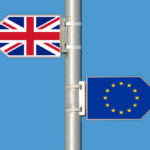 European Commission sends letter of formal notice to the United Kingdom for breach of its obligations
Leave a Reply