• Skip to primary navigation
  • Skip to main content
  • Skip to primary sidebar
  • Skip to footer
  • Bluesky
  • Facebook
  • Instagram
  • Twitter
  • YouTube
CDE Almería – Centro de Documentación Europea – Universidad de Almería

CDE Almería - Centro de Documentación Europea - Universidad de Almería

Centro de Documentación Europea de la Universidad de Almería

  • HOME
  • WHAT´S ON
    • EU NEWS
    • Activities
    • EU Calls and Awards
    • Radio Program «Europe with You»
  • DOCUMENTATION
    • EU Media Collection
      • Web Space
      • MEDIATHEQUE REPOSITORY
  • Europe on the net
    • Institutions
    • EU Representation in Spain
    • European information network of Andalusia
  • ABOUT US
    • Presentation
    • Services
    • People
    • Contact
  • Spanish
  • English

Eurobarometer: Digital skills need equal priority in schools alongside reading, maths, and science

Inicio » EU News » Surveys » Eurobarometer: Digital skills need equal priority in schools alongside reading, maths, and science

12 de December de 2025

Nine in ten Europeans would include digital skills into education at all levels, according to a new Eurobarometer survey published last December 11. The ‘Future Needs in Digital Education’ survey  reveals citizens’ views on the importance of digital skills in education, including the role of teachers, the integration of artificial intelligence (AI), and the benefits and challenges of technology in teaching and learning.
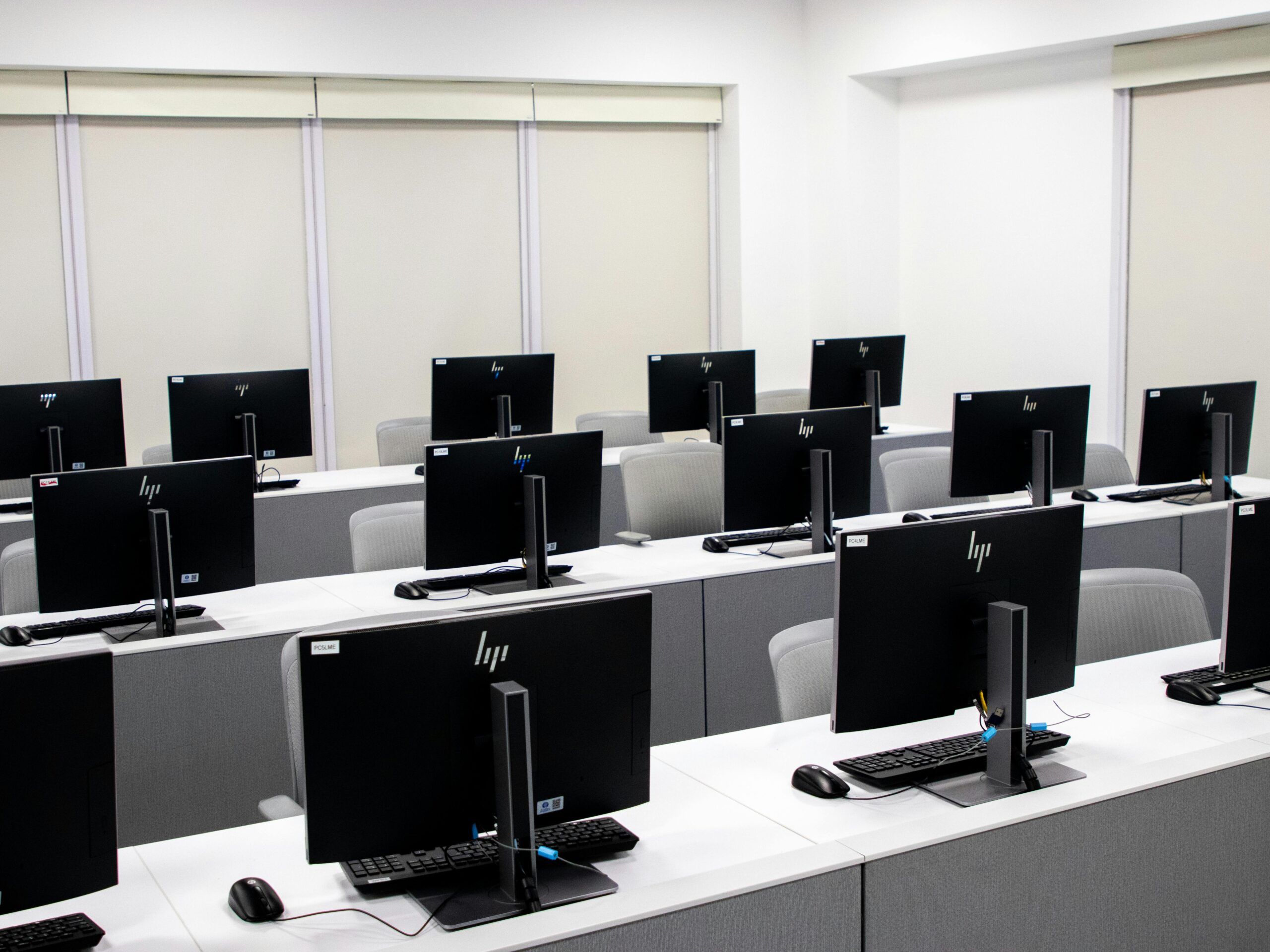
EU citizens overwhelmingly agree (92%) that schools have a critical role to play in teaching how to cope with the potential negative impacts of digital technologies on mental health and wellbeing. Moreover, 78% of Europeans believe that digital skills should receive the same amount of attention at school as reading, mathematics, and science. 80% agree that digital literacy helps protect them against online misinformation and disinformation. A strong majority (89%) believe that all teachers should be equipped with the necessary skills to teach students how to discern fact from fiction online and navigate the complexities of digital information.

Although respondents express overall support for the ban of smartphones in schools (69%), there is a broad consensus (87%) in favour of promoting digital technologies specifically designed for learning in schools. At the same time, more than half (54%) recognise that AI brings both benefits and challenges for teaching and learning and call for its further assessment.

Citizens believe the EU has an important role to play in setting standards for the use of digital technologies in education, for example on data protection or AI (49%).

The Flash Eurobarometer survey was conducted online across the 27 EU countries between 7 and 14 May 2025. It is based on answers from 25 781 Europeans.

Next Steps

The Eurobarometer survey will help inform the European Commission’s efforts to strengthen digital education in the EU. In 2026, as part of the Union of Skills, the Commission will adopt an Education package, including a 2030 Roadmap on the future of digital education and skills.

Background

The EU has made digital education a priority. The Digital Education Action Plan sets out a common vision of high-quality, inclusive and accessible digital education in Europe.

Central to these efforts are initiatives like Ethical Guidelines on the use of AI and data in teaching and learning and the Guidelines for teachers and educators on tackling disinformation and promoting digital literacy through education and training. These tools are designed to enhance digital education in European schools and ensure that everyone benefits from effective and ethical use of digital tools.

More information: European Commission

Publicaciones relacionadas:

Eurobarometer: record trust in EU and strong support for euro and defence policy. Eurobarometer: Europeans back social economy and call for more support civil protectionCitizens call for greater protection from the European Union banderas ueEuropeans continue to view democracy and economic power as EU’s main strengths, according to latest Flash Eurobarometer survey Advances in the use of artificial intelligence for colorectal cancer screening

EU News,  Surveys artificial intelligence,  Data protection,  Digital Education,  digital skills,  Eurobarometer,  European Commission,  European Union,  News,  School,  Technology

“This is a space for debate. All comments, for or against publication, that are respectful and do not contain expressions that are discriminatory, defamatory or contrary to current legislation will be published”.

Reader Interactions

Leave a Reply Cancel reply

Your email address will not be published. Required fields are marked *

This site uses Akismet to reduce spam. Learn how your comment data is processed.

Primary Sidebar

Footer

  • CDE Almería
  • Biblioteca Nicolás Salmerón – Universidad de Almería
  • Planta: 1ª, Despacho: 1.05.0B.
  • Ctra. Sacramento s/n. Almería (Spain)
  • Teléfono: (+34) 950 015266

HOME
NEWS
DOCUMENTATION
EUROPE ON THE NET
ABOUT US

  • LEGAL NOTICE
  • PRIVACY POLICY
  • COOKIE POLICY
  • ACCESSIBILITY
  • SITEMAP

Copyright © 2026 CDE Almería · Creative Commons LicenseThis work is licensed under a Creative Commons Attribution-NonCommercial 4.0 International License.

<p>El Centro de Documentación Europea de la Universidad de Almería utiliza cookies propias y de terceros para facilitar al usuario la navegación en su página Web y el acceso a los distintos contenidos alojados en la misma. Asimismo, se utilizan cookies analíticas de terceros para medir la interacción de los usuarios con el sitio Web. Pinche el siguiente enlace si desea información sobre el uso de cookies y como deshabilitarlas. </p>

Politica de privacidad

El Centro de Documentación Europea de la Universidad de Almería utiliza cookies propias y de terceros para facilitar al usuario la navegación en su página Web y el acceso a los distintos contenidos alojados en la misma. Asimismo, se utilizan cookies analíticas de terceros para medir la interacción de los usuarios con el sitio Web. Pinche el siguiente enlace si desea información sobre el uso de cookies y como deshabilitarlas. <a href="/politica-de-cookies" rel="noopener" target="_blank">Más información</a>

Cookies estrictamente necesarias

Las cookies estrictamente necesarias tiene que activarse siempre para que podamos guardar tus preferencias de ajustes de cookies.

Básicamente la web no funcionara bien si no las activas.

Estas cookies son:

  • Comprobación de inicio de sesión.
  • Cookies de seguridad.
  • Aceptación/rechazo previo de cookies.
Cookies de terceros

Esta web utiliza Google Analytics, Google Tag Manager y Yandex Metrika para recopilar información anónima tal como el número de visitantes del sitio, o las páginas más populares.

Dejar estas cookies activas nos permite mejorar nuestra web.

Política de cookies

Pinche el siguiente enlace si desea información sobre el uso de cookies y como deshabilitarlas. Más información