
The European Commission and social partners are making significant strides to improve the working conditions of hairdressers throughout the EU.
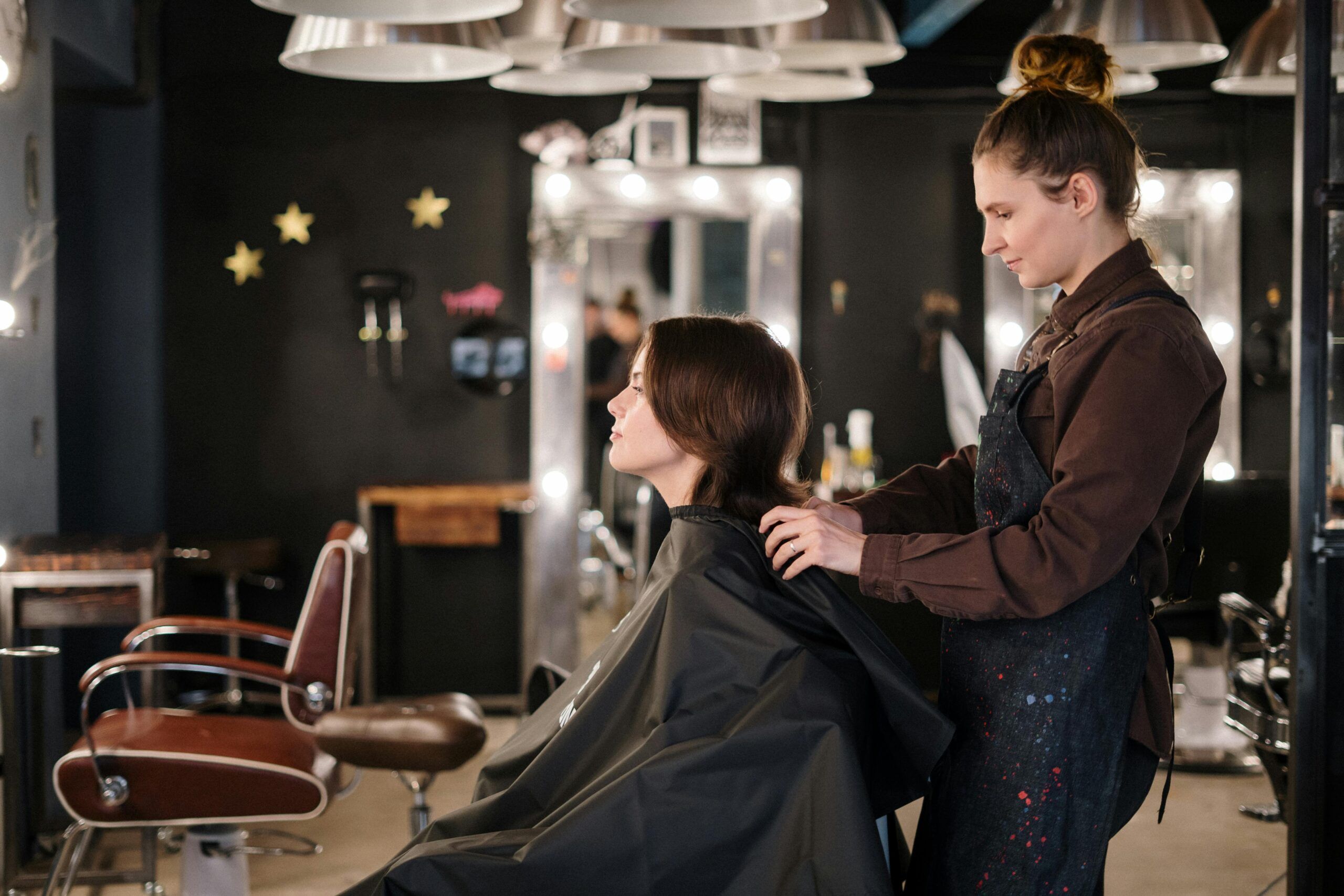
30 October 2025 marked a new milestone, with the Commission’s Scientific Committee on Consumer Safety (SCCS) committing to assess the social partners’ recommendations on safety of products used by hairdressers in their daily work.
The recommendations, formulated by employers and unions, Coiffure EU and UNI Europa respectively, are intended to enhance the safety of cosmetic products, by improving their risk assessment and factoring in the high exposure faced by hair professionals who use them on a regular basis.
The involvement of the Scientific Committee, which will now have 15 months to issue its scientific advice, is the result of tight cooperation between social partners and the relevant Commission services.
This progress adds to other significant results achieved over the last 10 years by social partners, with policy and financial support from the Commission. Notably:
- a new standard of hairdresser gloves, which contributes to the prevention of chemical exposure and skin conditions of over one million persons employed in hairdressing salons across the EU
- more ergonomic workplaces
- improved accident prevention at work
As recalled on 18 June 2025, during the final conference of the EU funded project on Implementation of the European framework agreement on occupational health and safety in the hairdressing sector, the milestones achieved so far are a testimony to the collaborative efforts of the social partners and the Commission and the effectiveness of EU social dialogue.
Background
In 2016, Coiffure EU and UNI Europa signed a European framework agreement on the protection of occupational health and safety in the hairdressing sector. Commission services and European social partners agreed in 2019 on an Action Plan to support the autonomous implementation of the Agreement.
The agreement led to significant improvements in health and safety standards for hairdressers, a sector predominantly composed of young female workers who face higher risks of skin conditions, musculoskeletal disorders, and respiratory issues.
The Action Plan included different measures, with significant progress achieved in all of them:
- In relation to the enforcement of the EU Cosmetics Regulation and raising awareness to ensure safety of cosmetics, social partners formulated recommendations to the SCCS to improve protection for hairdressers from specific substances, which the SCCS will now assess.
- Concerning a clarification of the rules on Personal Protective Equipment (PPE), social partners initiated a procedure that culminated last July with the adoption of a new standard for hairdressers’ gloves. The Commission is committed to support social partners in their future dissemination and awareness raising actions.
- A sector-specific guideline was published by the Commission following inputs from Coiffure EU and UNI Europa to DG EMPL to support the practical application of the Social Partner Agreement for workers and employers in the hairdressers’ sector, particularly in micro and small enterprises. The Guidelines are available in all EU official languages.
- The sectoral social partners stepped up their cooperation with OSHA as recognised stakeholders in the EU OSHA Healthy Workplaces Campaign on dangerous substances and on musculoskeletal disorders. The Agency has supported the sector in several ways and this cooperation will be further pursued in the future.
- UNI Europa and Coiffure EU remain engaged together with the Commission to cooperate with the Senior Labour Inspectors’ Committee (SLIC) on enforcement of EU OHS legislation and the development of guidelines for inspectorates at national level.
- The Commission co-financed so far two social dialogue projects to support the implementation of the Plan:
- Promoting the autonomous implementation of the European framework agreement on occupational health and safety in the hairdressing sector (2019)
- Monitoring and furthering the autonomous implementation of the European framework agreement on occupational health and safety in the hairdressing sector (2023)
The recommendations to the SCCS regarding the autonomous implementation of the Hairdressing Social Partners’ Action Plan were drafted as a deliverable of the latter.
- Regular reviews and updates have been conducted by social partners to take stock of progress achieved and ensure the successful implementation of the Action Plan.
The Hairdressing agreement and the Action Plan serve as a model for future social dialogue initiatives, demonstrating that autonomous implementation, supported by the Commission services, can lead to tangible improvements in workers’ conditions. This cooperation underscores the importance of social partners’ autonomy and the Commission’s role in facilitating the implementation of social partner agreements.
More information: European Commission
Publicaciones relacionadas:
 Commission continues talks on telework fairness and right to disconnect
 Commission proposes to support dismissed workers in the car industry in Belgium
 The EU is extending support to workers at risk of losing their jobs
 2025 ESDE report highlights the importance of underrepresented groups
 Commission launches Skills Guarantee to support workers in transition
Leave a Reply