
The Council decided to list four persons and two entities under the EU Global Human Rights Sanctions Regime. The listed individuals and entities are responsible for serious human rights abuses against Palestinians, including torture and other cruel, inhuman or degrading treatment or punishment and for the violation of right to property and to private and family life of Palestinians in the West Bank.

The listed entities are Lehava, a radical right-wing Jewish supremacist group, and Hilltop Youth, a radical youth group consisting of members known for violent acts against Palestinians and their villages in the West Bank. Two leading figures of Hilltop Youth, Meir Ettinger and Elisha Yered, are also listed. Both were involved in deadly attacks against Palestinians in 2015 and 2023.
Today’s designations also include Neria Ben Pazi, who has been accused of repeatedly attacking Palestinians in Wadi Seeq and in Deir Jarir since 2021, and Yinon Levi, who has taken part in multiple violent acts against neighbouring villages from his residence in the Mitarim farm illegal outpost.
With today’s listings, restrictive measures under the EU’s Global Human Rights Sanctions Regime now apply to 108 natural and legal persons and 28 entities from a range of countries.
Those listed under the sanctions regime are subject to an asset freeze, and the provision of funds or economic resources, directly or indirectly, to them or for their benefit, is prohibited. Additionally, a travel ban to the EU applies to the natural persons listed.
In its conclusions of 21-22 March 2024, the European Council called for an immediate halt to violence in the West Bank and East Jerusalem, and for safe access to the Holy sites to be ensured. The European Council strongly condemned extremist settler violence, stating that perpetrators must be held to account; and called on the Council to accelerate work on adopting relevant targeted restrictive measures. The European Council also condemned the Israeli government’s decisions to further expand illegal settlements across the occupied West Bank and urged Israel to reverse these decisions.
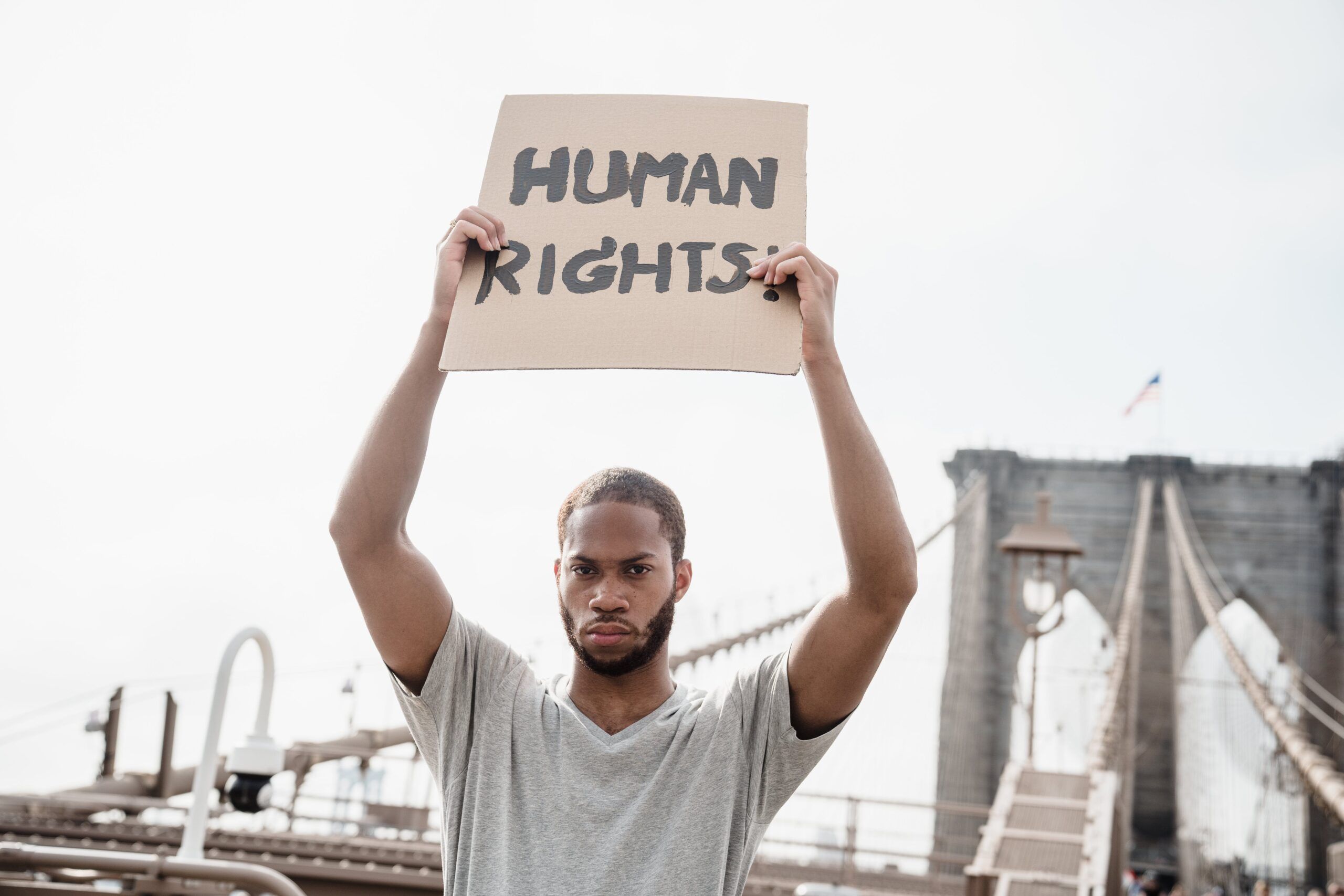
Human rights breaches in Belarus, Tanzania and Tibet
|
Background
On 7 December 2020, the Council adopted Decision (CFSP) 2020/1999 establishing a Global Human Rights Sanctions Regime, which applies to acts such as genocide, crimes against humanity and other serious human rights violations or abuses (e.g. torture, slavery, extrajudicial killings, arbitrary arrests or detentions). The EU Global Human Rights Sanctions Regime underscores the Union’s determination to enhance its role in addressing serious human rights violations and abuses worldwide. Achieving the effective enjoyment of human rights by everyone is a strategic goal of the Union. Respect for human dignity, freedom, democracy, equality, the rule of law and human rights is a fundamental value of the Union and of its common foreign and security policy.
On 4 December 2023, the Council extended its restrictive measures under the Global Human Rights Sanctions Regime to 8 December 2026.
More information: Council of the EU
Publicaciones relacionadas:
 European Council adds more people to sanctions list on serious human rights violations
 Russia’s military aggression against Ukraine: EU imposes sanctions against President Putin and Foreign Minister Lavrov and adopts wide ranging individual and economic sanctions
 Russia’s military aggression against Ukraine: Council imposes sanctions on 26 persons and one entity
 Commission suspends cross-border cooperation and transnational cooperation with Russia and Belarus
 Commission suspends cooperation with Russia on research and innovation
Leave a Reply