
The overall sustainability of the EU fisheries has improved and fewer stocks are overfished, according to a Commission’s Communication ‘Sustainable fishing in the EU: state of play and orientations for 2024′. At the same time, more efforts are necessary to ensure the resilience of fishing activities and continuous improvement of the fish stocks status. The Commission’s Communication is based on independent scientific assessments.
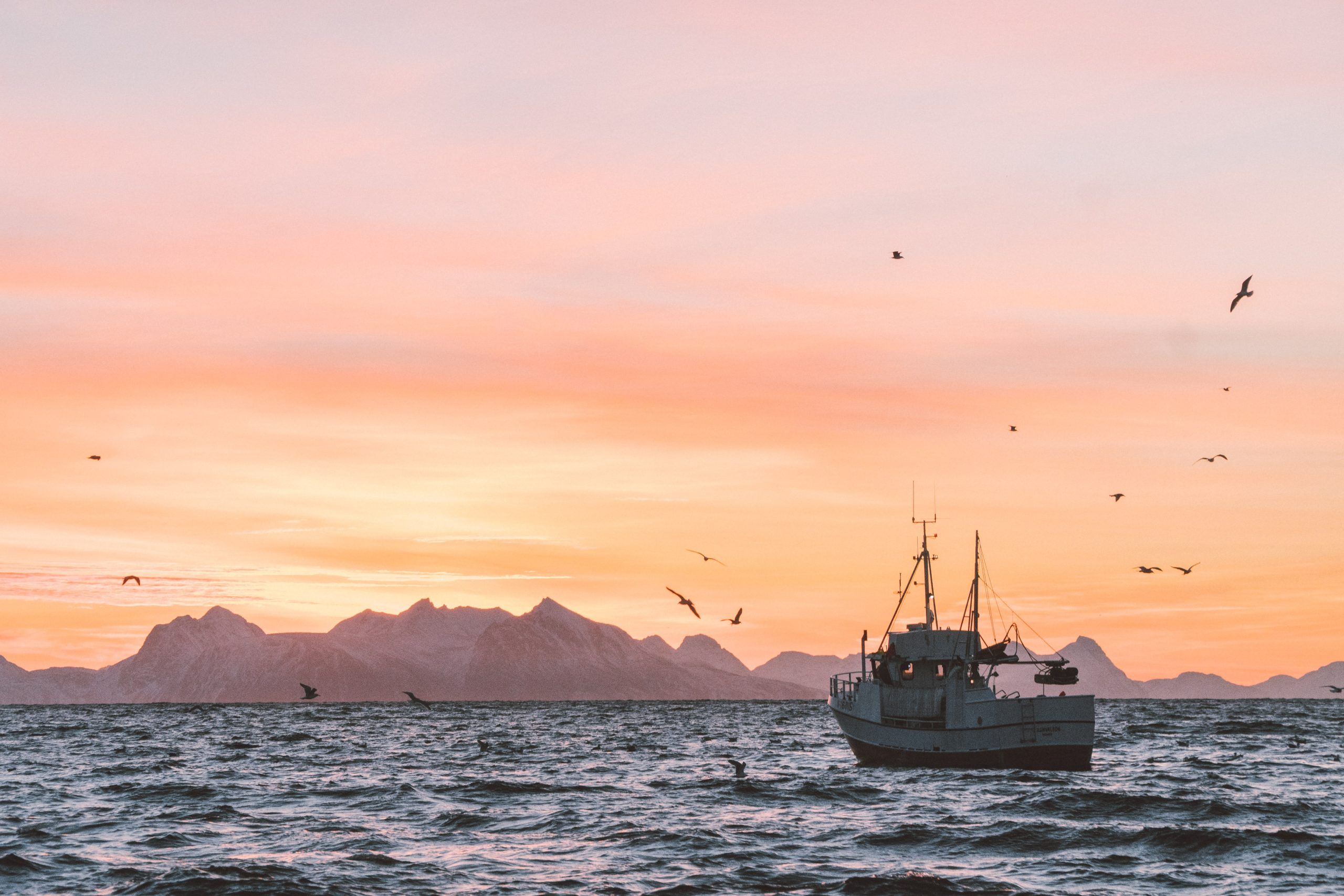
This communication outlines the orientations for the Commission proposals for fishing opportunities for 2024 and starts a consultation process with interested actors. The proposals will aim to keep stocks that have reached sustainable levels already at those levels, and help other fish stocks recover.
Improvements in Northeast Atlantic, Mediterranean and Black Sea
The Communication shows that fish stocks in the Northeast Atlantic are generally within healthy ranges, with the latest assessment pointing to the best so far sustainability results. A particularly positive example is the Bay of Biscay, which in the latest assessment from 2021 became the first EU sea area with no stocks overfished. This proves the EU sustainable fisheries management decisions are paying off.
In the Mediterranean and the Black Seas, while stocks are slowly becoming healthier, fishing mortality continues to pose difficulties. The fishing mortality rate for 2020, the latest available data, is the lowest so far, but it is still 71% above the recommended sustainability rate. Additional efforts are therefore still required. Moreover, fishing communities are being affected by climate change, leading to uncertainties due to the declining availability of fish stocks they depend on for their livelihood. Illegal, unreported and unregulated (IUU) fishing also impacts the access of fishers to sufficient resources and further efforts are required to combat it, ensuring compliance with measures, including those involving third countries.
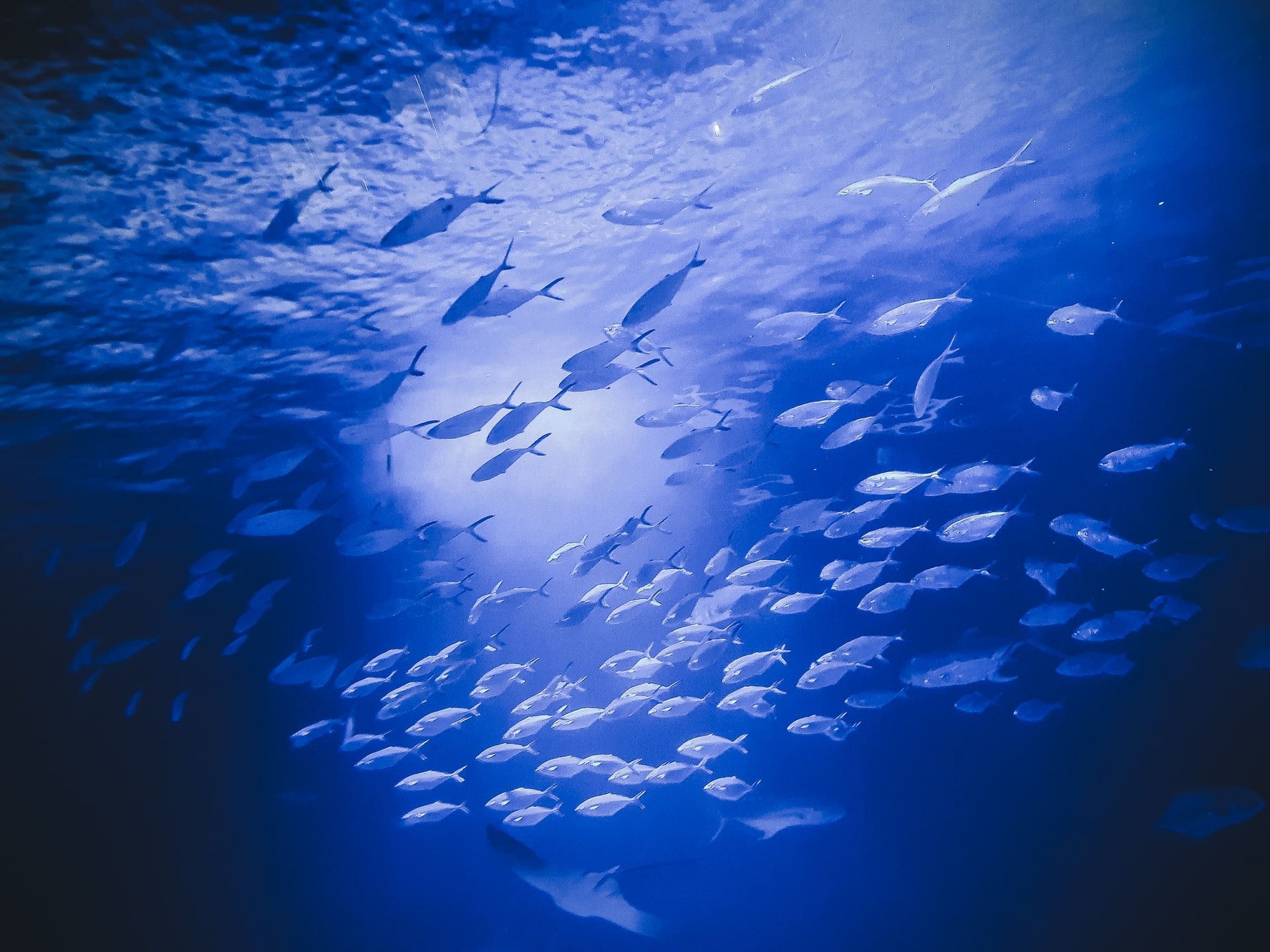
Deal on new rules to combat overfishing |
The situation in the Baltic remains challenging, as other pressures than fishing impact fish populations. The Commission will continue to take measures to address all the various pressures on fish stocks and help improving the state of the ecosystems in the Baltic Sea. Nevertheless, Member States should also continue their efforts to reverse this situation by fully implementing the EU legislation.
The Commission proposed a package of measures last February to improve the sustainability and resilience of the EU’s fisheries and aquaculture sector and address many of those challenges including economic and environmental.
Finally, Russia’s military aggression against Ukraine has had an impact on EU fisheries in several ways, especially in the Black Sea. It has led to ongoing disruptions of fishing activities and trade flows, had an impact on scientific advice and on certain negotiations at international level.
Next steps
Member States, Advisory Councils, the fishing industry, non-governmental organisations and interested citizens are encouraged to share their perspectives on the state of play and future directions of the fishing opportunities for 2024. They are invited to express their views until 31 August as part of the online public consultation.
After the public consultation, the Commission will table its three proposals for Fishing Opportunities Regulations for 2024: in the Atlantic and North Sea, the Baltic Sea, as well as the Mediterranean and Black Seas. The proposals will take into account multi-annual plans and will be based on scientific advice provided by the International Council for the Exploration of the Sea (ICES), as well as the economic analysis provided by the Scientific, Technical and Economic Committee for Fisheries (STECF). The proposals will also incorporate adjustments resulting from the implementation of the landing obligation.
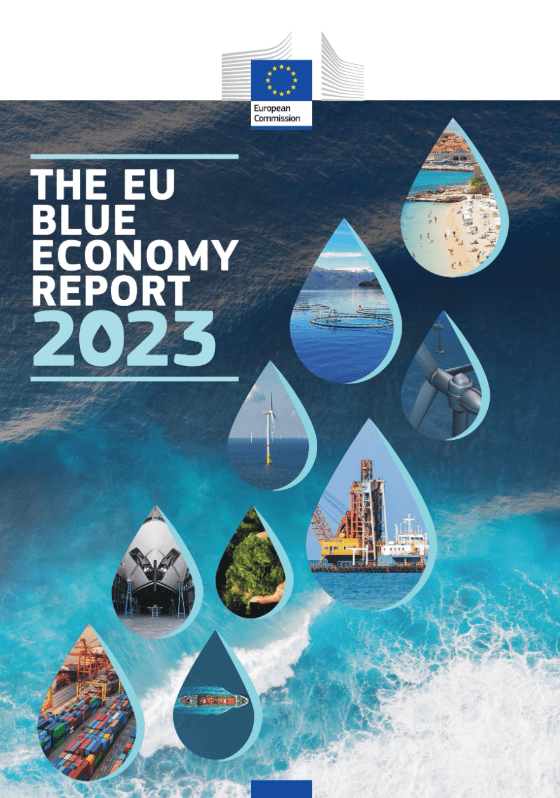
The EU blue economy report 2023/ |
Finally, the Council will discuss the Commission’s proposals and decide on the fish quotas for 2024 at its meetings in October and December this year.
Background
Every year, the Commission releases a Communication that provides updates on the on the state of the EU fisheries and initiates a public consultation on the current situation and the future directions of fishing opportunities for the upcoming year.
This Communication reports on the advancements made in achieving sustainable practices within the EU, assesses the balance between fishing capacity and fishing opportunities, examines the socio-economic performance of the sector and monitors the implementation of the landing obligation.
The Communication reports on various elements using different sources with the latest supporting data available. The latest data on fish stocks included in the report for analysing the status of stocks is from 2020 for the Mediterranean and the Black Seas and from 2021 for the EU waters of northeast Atlantic, including the Skagerrak/Kattegat and the Baltic Sea.
More information: European Commisison
Publicaciones relacionadas:
 Fisheries: EU and Norway strengthen cooperation for sustainable fishing in the Northeast Arctic
 Spain will receive €1.12 billion from the European Maritime, Fisheries and Aquaculture Fund 2021-2027
 Fight against illegal fishing: Commission identifies Cameroon as a non-cooperating country
 1 million for the landmark WTO fisheries subsidies agreement
 European Commission presents package of measures to improve sustainability and resilience of EU fisheries sector
Leave a Reply