• Skip to primary navigation
  • Skip to main content
  • Skip to primary sidebar
  • Skip to footer
  • Bluesky
  • Facebook
  • Instagram
  • Twitter
  • YouTube
CDE Almería – Centro de Documentación Europea – Universidad de Almería

CDE Almería - Centro de Documentación Europea - Universidad de Almería

Centro de Documentación Europea de la Universidad de Almería

  • HOME
  • WHAT´S ON
    • EU NEWS
    • Activities
    • EU Calls and Awards
    • Radio Program «Europe with You»
  • DOCUMENTATION
    • EU Media Collection
      • Web Space
      • MEDIATHEQUE REPOSITORY
  • Europe on the net
    • Institutions
    • EU Representation in Spain
    • European information network of Andalusia
  • ABOUT US
    • Presentation
    • Services
    • People
    • Contact
  • Spanish
  • English

EU budget 2021-2027: Time to decide

Inicio » EU News » EU budget 2021-2027: Time to decide

11 de October de 2019

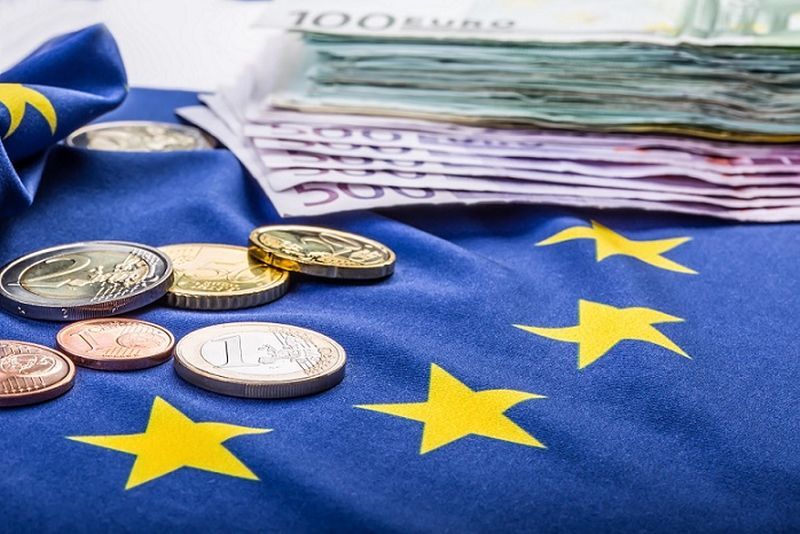
Ahead of the European Council meeting on 17 and 18 October, the European Commission calls on EU Heads of State or Government to provide political guidance and new impetus to the negotiations in order to reach an agreement on a fair, balanced and modern long-term EU budget for the period 2021-2027 before the end of this year.

The next multiannual financial framework (MFF) should be fit for the challenges of today and tomorrow so it can enable the EU delivering on the expectations of citizens.

In a Communication published today, the European Commission outlines the main points that need consideration and a clear steer by EU Leaders in order to reach a swift agreement. These include:

–    the overall level of funding to match the Union’s shared priorities;

–    a modern budget with the right balance between policies and a strong focus on EU added value;

–    a more transparent approach to financing the EU budget and the introduction of new sources of revenue to support priorities and reduce the burden on national contributions; and

–    a greater policy coherence, through a closer link between funding and policy priorities and through stronger tools for protecting the EU budget from rule of law deficiencies

Strategic decisions on these elements should help advance the ongoing negotiations on the EU’s next long-term budget in view of an agreement by the end of the year – as agreed by EU leaders in June.

Background

On 2 May 2018, the Commission put forward a proposal for a fair, balanced and modern budget to deliver on Europe’s priorities as set out by Leaders in Bratislava in 2016 and in Rome in 2017. That proposal was immediately followed by legislative proposals for the 37 sectoral programmes forming part of the future long-term budget.

Since then, the Commission has worked hand in hand with the rotating Presidencies of the Council, and in close collaboration with the European Parliament, to take the negotiations forward. In line with the conclusions from the European Council meeting of 20 and 21 June 2019, an agreement should be reached before the end of the year. The Commission shares the firm believe that sticking to this timeline is essential, for the hundreds of thousands of students, farmers and researchers across Europe, as well as everybody else who benefits from the EU budget.

For More Information

– Press release

– Factsheet: A modern EU budget rising to future challenges (9 October 2019)

– Factsheet: EU budget financing (9 October 2019)

– Commission Communication “Time to decide on the Union’s financial framework for 2021-2027” (9 October 2019)

– Press release on the Commission proposal of 2 May 2018 for Europe’s next long-term budget

– EU budget for the future


Publicaciones relacionadas:

European Parliament confirms that the 2017 EU budget was well-managed European Defence Union: new guidance to help Member States run joint defence procurements The EU’s long-term budget Protecting citizens’ access to social security in case of no-deal Brexit Humanitarian aid: EU announces over €161.5 million for Yemen crisis



EU News budget,  European Union,  Unión Europea

“This is a space for debate. All comments, for or against publication, that are respectful and do not contain expressions that are discriminatory, defamatory or contrary to current legislation will be published”.

Reader Interactions

Leave a Reply Cancel reply

Your email address will not be published. Required fields are marked *

This site uses Akismet to reduce spam. Learn how your comment data is processed.

Primary Sidebar

Footer

  • CDE Almería
  • Biblioteca Nicolás Salmerón – Universidad de Almería
  • Planta: 1ª, Despacho: 1.05.0B.
  • Ctra. Sacramento s/n. Almería (Spain)
  • Teléfono: (+34) 950 015266

HOME
NEWS
DOCUMENTATION
EUROPE ON THE NET
ABOUT US

  • LEGAL NOTICE
  • PRIVACY POLICY
  • COOKIE POLICY
  • ACCESSIBILITY
  • SITEMAP

Copyright © 2026 CDE Almería · Creative Commons LicenseThis work is licensed under a Creative Commons Attribution-NonCommercial 4.0 International License.

<p>El Centro de Documentación Europea de la Universidad de Almería utiliza cookies propias y de terceros para facilitar al usuario la navegación en su página Web y el acceso a los distintos contenidos alojados en la misma. Asimismo, se utilizan cookies analíticas de terceros para medir la interacción de los usuarios con el sitio Web. Pinche el siguiente enlace si desea información sobre el uso de cookies y como deshabilitarlas. </p>

Politica de privacidad

El Centro de Documentación Europea de la Universidad de Almería utiliza cookies propias y de terceros para facilitar al usuario la navegación en su página Web y el acceso a los distintos contenidos alojados en la misma. Asimismo, se utilizan cookies analíticas de terceros para medir la interacción de los usuarios con el sitio Web. Pinche el siguiente enlace si desea información sobre el uso de cookies y como deshabilitarlas. <a href="/politica-de-cookies" rel="noopener" target="_blank">Más información</a>

Cookies estrictamente necesarias

Las cookies estrictamente necesarias tiene que activarse siempre para que podamos guardar tus preferencias de ajustes de cookies.

Básicamente la web no funcionara bien si no las activas.

Estas cookies son:

  • Comprobación de inicio de sesión.
  • Cookies de seguridad.
  • Aceptación/rechazo previo de cookies.
Cookies de terceros

Esta web utiliza Google Analytics, Google Tag Manager y Yandex Metrika para recopilar información anónima tal como el número de visitantes del sitio, o las páginas más populares.

Dejar estas cookies activas nos permite mejorar nuestra web.

Política de cookies

Pinche el siguiente enlace si desea información sobre el uso de cookies y como deshabilitarlas. Más información