
Parliament on Thursday put forward measures to modernise the EU’s electricity grid, make it more resilient, integrate renewables and speed up permitting.
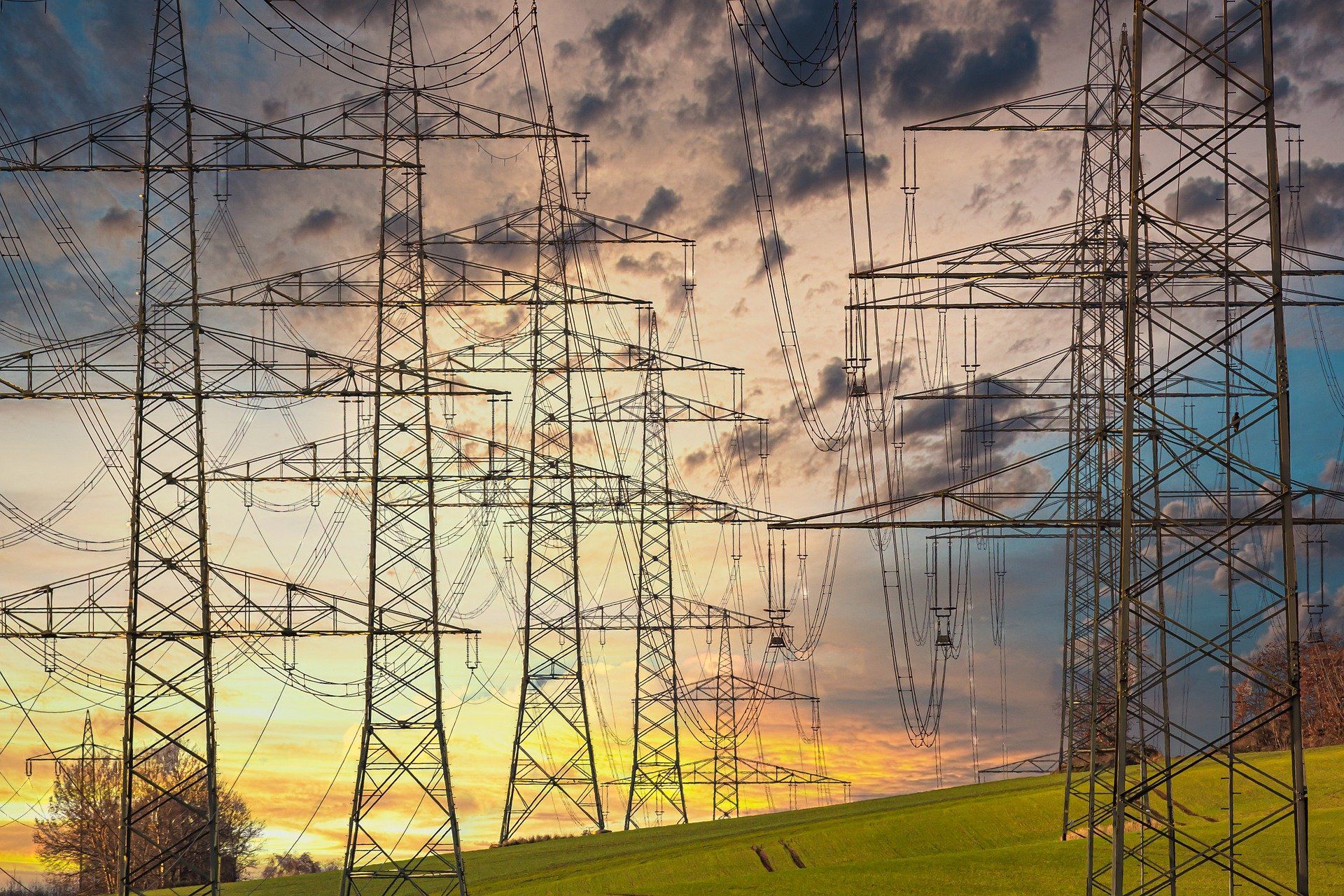
The text adopted by the plenary calls for the implementation of the European action plan for electricity grids and stresses the need for ambitious investment and substantial improvements in infrastructure, with the aim of modernising the system and expanding its cross-border interconnection capacity.
Better integration of national energy infrastructures
MEPs stress the need for substantial investments and a thorough modernisation of energy infrastructures in order to increase grid capacity both at national and cross-border level. To move towards a decarbonised, flexible and resilient electricity system, they also stress the importance of more rigorous monitoring by competent authorities.
The report calls for clearer and more effective rules and procedures to attract private investment, complementary to public financing, and to ensure that tariffs reflect real costs. It also stresses the need for targeted investment to remove bottlenecks in the grid and to avoid capping – i.e. the deliberate reduction of production caused by capacity constraints – of renewables.
On the other hand, MEPs stress the importance of more European planning, linking borders, sectors and regions. They see the wider integration of renewable energies into electricity grids as essential, as well as the strengthening of cross-border interconnections. Ensuring social acceptance and effective communication with the public is key to the successful implementation of new grid projects, they say.
Statement by the rapporteur
“The blackout on the Iberian peninsula was a painful demonstration of the vulnerability that still persists in our electricity grids. It reminded us that Europe’s energy transition will fail if we do not invest in infrastructure with the same ambition as in renewables. The blackout is not a failure of the Energy Union, quite the contrary. Thanks to cross-border interconnections, France was able to intervene immediately. Now the Commission must act decisively and prioritise planning and coordination on networks and storage, or we will continue to see one crisis after another,” said Anna Sturgkh MEP (Renew, Austria), who coordinated the text.
“We send a clear and strong message to the Commission to maintain strong funding for the Connecting Europe Facility in the energy field in its next proposal for the multiannual financial framework. European funds managed by Member States must also be made more accessible for network modernisation,” he added.
Next steps
The report was adopted with 418 votes in favour, 112 against and 45 abstentions. On 2 June, the European Commission published a policy paper and will present a European Network Package before the end of the year.
Background
The electricity blackout that affected the Iberian peninsula and several parts of France on 28 April highlighted the urgent need to strengthen the resilience of electricity grids in the European Union. According to the European Commission, 584 billion euros will need to be invested in the electricity system between now and 2030, including both cross-border interconnections and the adaptation of distribution networks to the challenges of the energy transition.
More information: European Parliament
Publicaciones relacionadas:
 Parliamentary proposals to support energy-intensive industries
 MEPs advocate storage refill flexibility to bring down prices
 European Parliament approves law on sustainable marine fuels
 European Parliament back plans to boost use of renewable energy
 European Comission approves Spanish state aid scheme for energy storage and the transition to a zero-emission econom
Leave a Reply