
The Commission has published its fifth report on the state of the Schengen area, which reviews progress made in the Schengen area over the past year and sets out priorities for the coming year. The Schengen area continues to demonstrate its ability to adapt, thanks to collective efforts at both EU and national level.
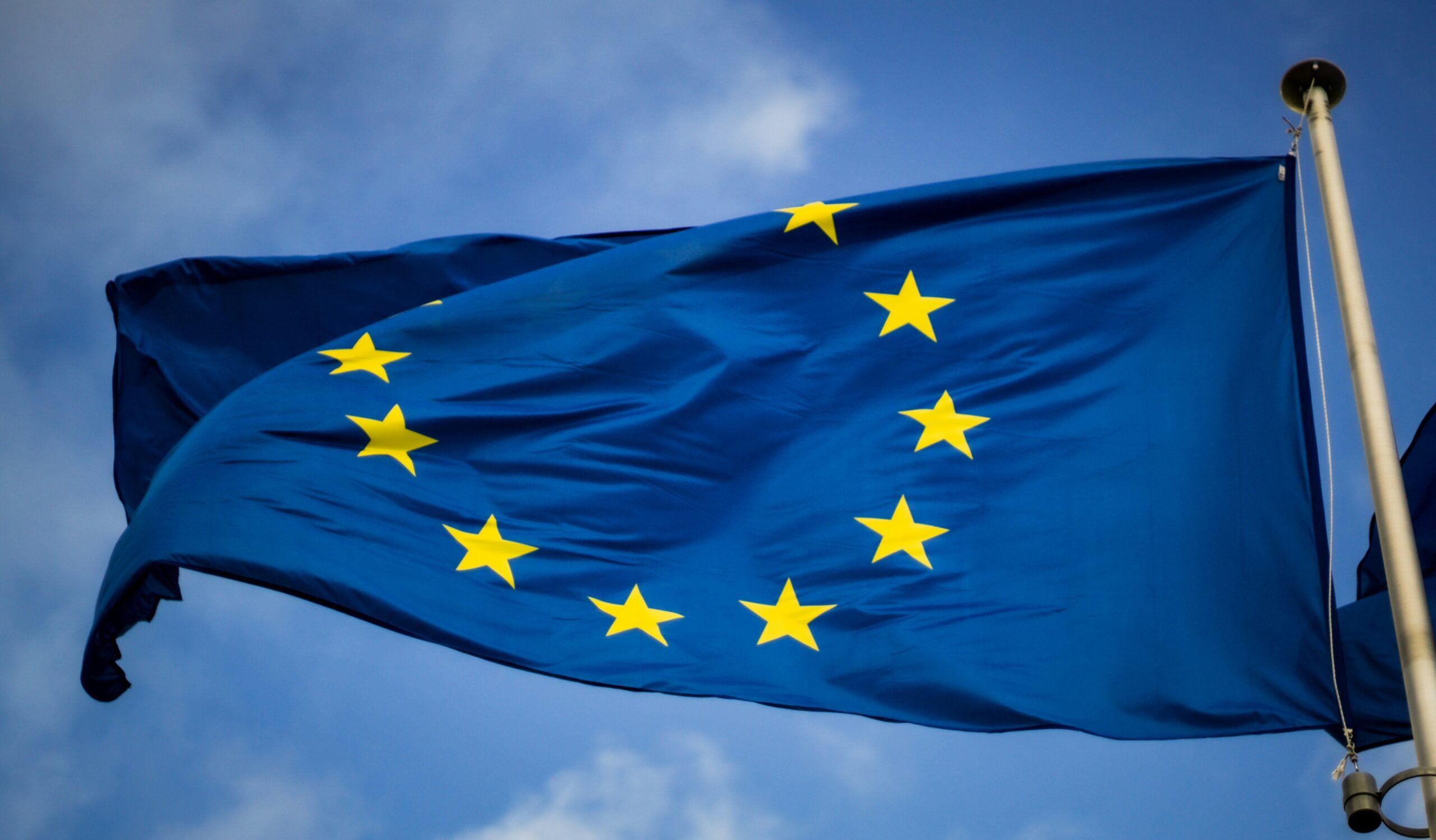
The Schengen Area is one of the European Union’s most tangible and valuable achievements, as it enables more than 450 million EU citizens to travel, work, study and live freely across borders, whilst supporting trade, tourism and the free movement of goods – all vital to the European economy – alongside strong cooperation to protect the Union’s external borders.
The 2026 Schengen Status Report highlights the significant achievements made over the past year. These include a better-protected external border and a 26%decreasein illegal border crossings in 2025 compared to 2024. Joint efforts also resulted in more effective returns of persons without the right to reside in the EU, with a return rate of 28% in 2025, the highest in the last 10 years. A key milestone for the protection of the external border was the full roll-out of the Entry/Exit System (EES)in April 2026, which helped to create a more robust and digitalised Schengen area. In the first six months of operation alone, Member States recorded over 66 million entries and exits, and 32,000 people who were not entitled to enter the EU were refused entry. The Commission also adopted the firstEU Visa Strategy in January 2026.
At the same time, the report revealed that challenges remain which require action at both EU and Schengen Member State level. This is particularly important in the current geopolitical context, which calls for greater collective responsibility to ensure that the Schengen area remains secure, united and resilient.
The priorities for the fifth Schengen cycle(2026–2027) will focus on consolidating achievements, addressing remaining shortcomings and improving preparedness to tackle current and future challenges. Work will continue in the following areas:
- Supporting the external dimension of the Schengen area, including the forthcoming proposal to revise the Visa Code, which will address the security aspects of the EU’s visa policy. Priority will also be given to developing partnerships with key countries to attract talent for innovation and enhance the EU’s global competitiveness.
- An integrated external border for a secure Schengen area: driving forward the digitalisation of procedures, with the continued roll-out of the new Entry/Exit System and the launch of ETIAS, the new travel authorisation for visa-exempt travellers. This will be reinforced by the effective application of the Control Regulation and enhanced contingency planning within the framework of the Pact on Migration and Asylum.
- An effective return system: Schengen States must further strengthen their operational capabilities and tools to support returns, drawing on support from Frontex. The effective implementation of the new border return procedure — a key element of the Pact on Migration and Asylum — will strengthen the EU’s return system. The Commission will also present a legislative proposal on the digitalisation of returns in 2026, with the aim of developing digital case management systems in this area. This will help to reduce the administrative burden on national authorities by simplifying and automating processes.
- Strengthen the operational framework for cooperation on internal security: through a structured and ongoing dialogue, facilitated by the Schengen Coordinator, with all Member States concerned or affected by internal border controls, with a view to the gradual lifting of such controls.
- Strengthen Schengen governance through strategic funding under the next long-term budget (MFF) and through more systematic and country-specific discussions. At EU level, work must continue to complete Cyprus’s accession to Schengen, achieve the full application of Schengen rules on internal security in Ireland, and maintain an active dialogue with the enlargement candidate countries.
Next steps
The Commission invites theSchengen Councilto discuss the 2026 Schengen Status Report and to adopt the priorities for the 2026–2027 period at the Justice and Home Affairs Council meeting to be held in June.
Background
The Commission has been assessing the state of the Schengen area annually since 2022, as part of a strengthened governance framework for the Schengen area. This exercise represents a step forward in the Commission’s initiative to strengthen the common governance of the Schengen area and ensure a structured, coordinated and common response to its challenges.
Moreinformation: European Commission.
Publicaciones relacionadas:
 The EU and Montenegro have provisionally closed the chapter on trans-European networks in the accession negotiations
 The Commission is providing an additional €189 million under the Reform and Growth Facility for Moldova
 The EU and the US launch a strategic partnership on critical minerals
 New initiatives promote immigrant integration in Hungary through language, art, and peer mentoring
 The Commission coordinates repatriation flights from the Middle East under the EU Civil Protection Mechanism
Leave a Reply