
On the 23rd, the European Central Bank (ECB) unveiled the shortlisted design proposals for the next series of euro banknotes and launched a survey to gather the views of citizens across Europe. These proposals are inspired by two themes, ‘European culture’ and ‘Rivers and birds’, as well as the motifs chosen to illustrate them.
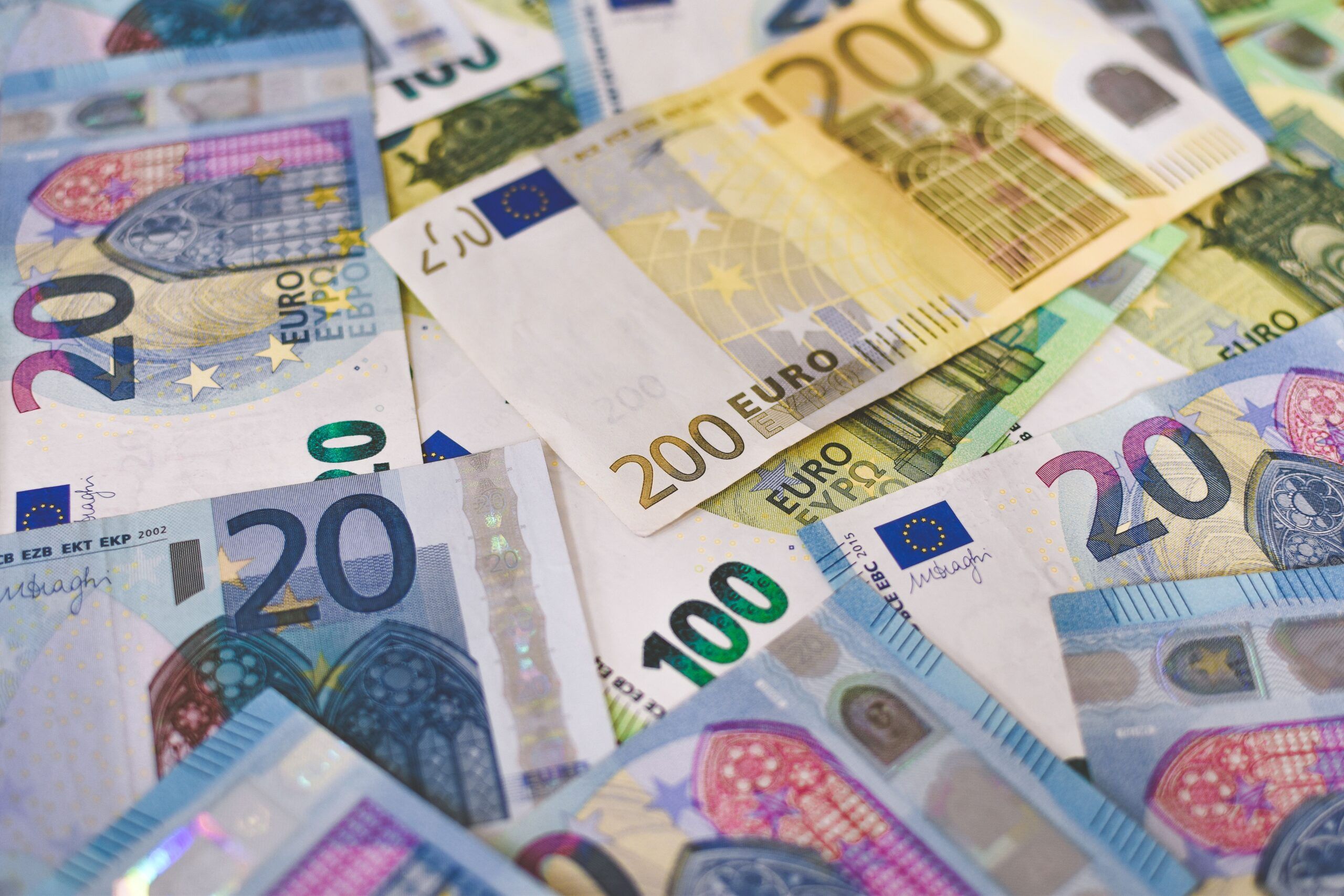
“Euro banknotes are more than just a means of payment; they are one of the most tangible expressions of Europe,” said Christine Lagarde, President of the ECB. “Their designs, which combine beauty and meaning, will strengthen our shared identity.”
The shortlisted proposals are the result of an EU-wide design competition in which more than 1,200 graphic designers took part, 25 of whom were invited to submit proposals for one or both themes. An independent jury comprising 21 experts from various fields, including graphic design, communication, neuroscience and history – each appointed by a central bank in the euro area – shortlisted ten design proposals.
Europeans will now be able to give their views on the ten finalist proposals, following the ECB Governing Council’s decision to organise anonline survey,which will close on 21 September 2026. An independent opinion research firm will conduct a parallel survey in which it will invite a representative sample of euro area citizens to answer the same questions. The ECB will publish a report on the results of both surveys once the final design concept has been selected. Public feedback is a key element of the Eurosystem’s inclusive approach, which ensures that the views of citizens across Europe are taken into account.
The Governing Council plans to take the final decision on the new banknote design by the end of the year. It will base its decision on a range of inputs, including the conclusions of the design competition jury, a technical assessment and the results of the two surveys.
The selected design will then undergo a development and testing process before moving on to the production phase. The banknotes in the new series are expected to enter circulation in the coming years. Euro banknotes from previous series will remain valid and will continue to circulate alongside those of the new series.This will be the first complete redesign of euro banknotes since their introduction in 2002.
“The redesign of the euro banknotes is part of the Eurosystem’s long-term effort to ensure that cash remains a secure, efficient and user-friendly means of payment, preserving citizens’ access to public money and their freedom to choose how to pay,” said Piero Cipollone, a member of the ECB’s Executive Board.
The regular issuance of new series of banknotes allows technological advances to be harnessed to stay one step ahead of counterfeiters. The new banknotes will incorporate new and improved security features to make it easier to verify their authenticity and to make them more accessible, including for people with visual impairments.
The ECB is also working to reduce the environmental footprint of banknotes by increasing their durability and using more sustainable materials and production processes.
More information: European Central Bank
Publicaciones relacionadas:
 CETA evaluation shows strong economic and social benefits
 Commission unveils anti-fraud revamp to protect the EU budget
 Voluntary sustainability reporting standard to ease burden on SMEs
 Faster and safer instant euro payments become a reality
 Commission proposes to promote supplementary pensions to secure retirement income
Leave a Reply