• Skip to primary navigation
  • Skip to main content
  • Skip to primary sidebar
  • Skip to footer
  • Bluesky
  • Facebook
  • Instagram
  • Twitter
  • YouTube
CDE Almería – Centro de Documentación Europea – Universidad de Almería

CDE Almería - Centro de Documentación Europea - Universidad de Almería

Centro de Documentación Europea de la Universidad de Almería

  • HOME
  • WHAT´S ON
    • EU NEWS
    • Activities
    • EU Calls and Awards
    • Radio Program «Europe with You»
  • DOCUMENTATION
    • EU Media Collection
      • Web Space
      • MEDIATHEQUE REPOSITORY
  • Europe on the net
    • Institutions
    • EU Representation in Spain
    • European information network of Andalusia
  • ABOUT US
    • Presentation
    • Services
    • People
    • Contact
  • Spanish
  • English

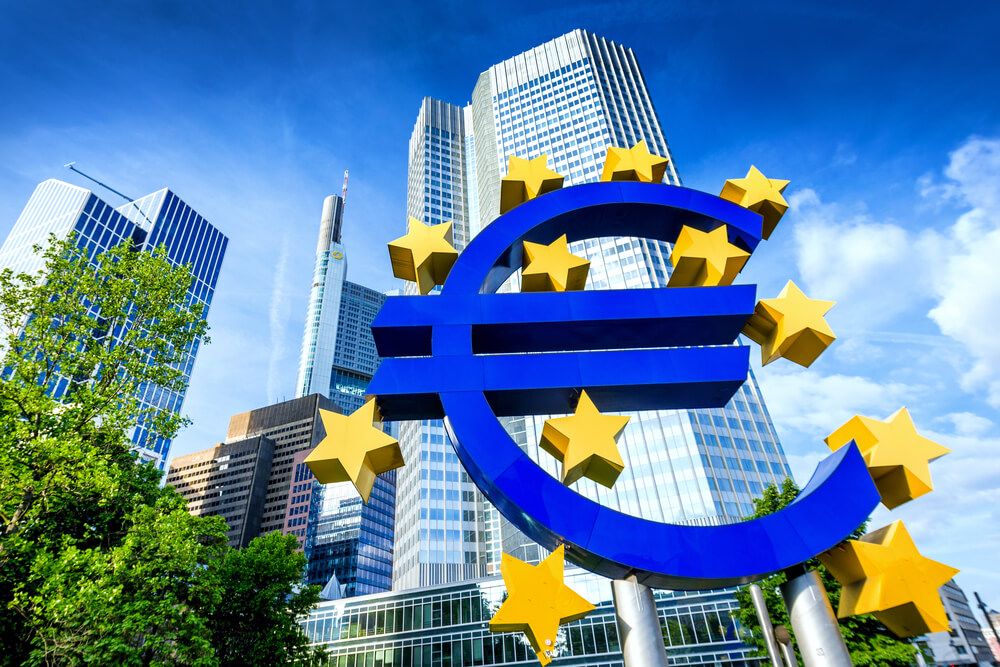
ECB’s subscribed capital to remain steady after Bank of England leaves the European System of Central Banks

Inicio » EU News » ECB’s subscribed capital to remain steady after Bank of England leaves the European System of Central Banks

6 de February de 2020

  • Total subscribed capital of the ECB to remain at €10.8 billion
  • ECB to repay Bank of England’s share in its paid-up capital (€58 million)
  • Bank of England’s share in ECB’s subscribed capital to be reallocated among remaining national central banks

The European Central Bank (ECB) will keep its subscribed capital steady at €10.8 billion after the Bank of England leaves the European System of Central Banks (ESCB). The current share of the Bank of England in the ECB’s subscribed capital, which stands at 14.3%, will be reallocated among both the euro area national central banks (NCBs) and the remaining non-euro area NCBs.

The Bank of England is due to withdraw from the ESCB as a consequence of the United Kingdom’s exit from the European Union. It holds 14.3% of the ECB’s subscribed capital, of which 3.75% – equivalent to €58 million – is paid up. This amount will be repaid by the ECB under the terms of the Withdrawal Agreement between the UK and the EU.

As a result, the ECB’s subscribed capital will be reallocated among the other NCBs on the basis of an updated key for subscription to the ECB’s capital. The weightings will be recalculated based on each Member State’s share in the total population and gross domestic product (GDP) of the European Union after the UK leaves the European Union.

Euro area NCBs pay up 100% of their subscriptions to the ECB’s capital, while non-euro area NCBs pay up 3.75% of their subscriptions. Since the shares of euro area NCBs will increase, and will be paid up in full, this will lead to an increase in the ECB’s paid-up capital from €7,659 million in 2020 to €8,880 million in 2022, as shown in the table below. The ECB’s paid-up capital will remain unchanged in the year of the United Kingdom’s withdrawal from the EU as the remaining NCBs will cover the withdrawn Bank of England’s paid-up capital of €58 million. Euro area NCBs will then pay up in full their increased subscriptions in two annual instalments, with the first due in 2021. These changes are an investment reflected in the NCBs’ balance sheets.

More Information

Press Release

ECB welcomes ratification of agreement on orderly UK withdrawal from European Union

Publicaciones relacionadas:

ECB welcomes ratification of agreement on orderly UK withdrawal from European Union Protecting citizens’ access to social security in case of no-deal Brexit MEPs vote to limit negative impact of no-deal Brexit on citizens Brexit: European Council adopts decision extending the period under Article 50 puzzle de la bandera europea con la palabra BREXITBrexit: Railway safety and connectivity with the UK


EU News Bank of England,  Brexit,  ECB

“This is a space for debate. All comments, for or against publication, that are respectful and do not contain expressions that are discriminatory, defamatory or contrary to current legislation will be published”.

Reader Interactions

Leave a Reply Cancel reply

Your email address will not be published. Required fields are marked *

This site uses Akismet to reduce spam. Learn how your comment data is processed.

Primary Sidebar

Footer

  • CDE Almería
  • Biblioteca Nicolás Salmerón – Universidad de Almería
  • Planta: 1ª, Despacho: 1.05.0B.
  • Ctra. Sacramento s/n. Almería (Spain)
  • Teléfono: (+34) 950 015266

HOME
NEWS
DOCUMENTATION
EUROPE ON THE NET
ABOUT US

  • LEGAL NOTICE
  • PRIVACY POLICY
  • COOKIE POLICY
  • ACCESSIBILITY
  • SITEMAP

Copyright © 2026 CDE Almería · Creative Commons LicenseThis work is licensed under a Creative Commons Attribution-NonCommercial 4.0 International License.

<p>El Centro de Documentación Europea de la Universidad de Almería utiliza cookies propias y de terceros para facilitar al usuario la navegación en su página Web y el acceso a los distintos contenidos alojados en la misma. Asimismo, se utilizan cookies analíticas de terceros para medir la interacción de los usuarios con el sitio Web. Pinche el siguiente enlace si desea información sobre el uso de cookies y como deshabilitarlas. </p>

Politica de privacidad

El Centro de Documentación Europea de la Universidad de Almería utiliza cookies propias y de terceros para facilitar al usuario la navegación en su página Web y el acceso a los distintos contenidos alojados en la misma. Asimismo, se utilizan cookies analíticas de terceros para medir la interacción de los usuarios con el sitio Web. Pinche el siguiente enlace si desea información sobre el uso de cookies y como deshabilitarlas. <a href="/politica-de-cookies" rel="noopener" target="_blank">Más información</a>

Cookies estrictamente necesarias

Las cookies estrictamente necesarias tiene que activarse siempre para que podamos guardar tus preferencias de ajustes de cookies.

Básicamente la web no funcionara bien si no las activas.

Estas cookies son:

  • Comprobación de inicio de sesión.
  • Cookies de seguridad.
  • Aceptación/rechazo previo de cookies.
Cookies de terceros

Esta web utiliza Google Analytics, Google Tag Manager y Yandex Metrika para recopilar información anónima tal como el número de visitantes del sitio, o las páginas más populares.

Dejar estas cookies activas nos permite mejorar nuestra web.

Política de cookies

Pinche el siguiente enlace si desea información sobre el uso de cookies y como deshabilitarlas. Más información