
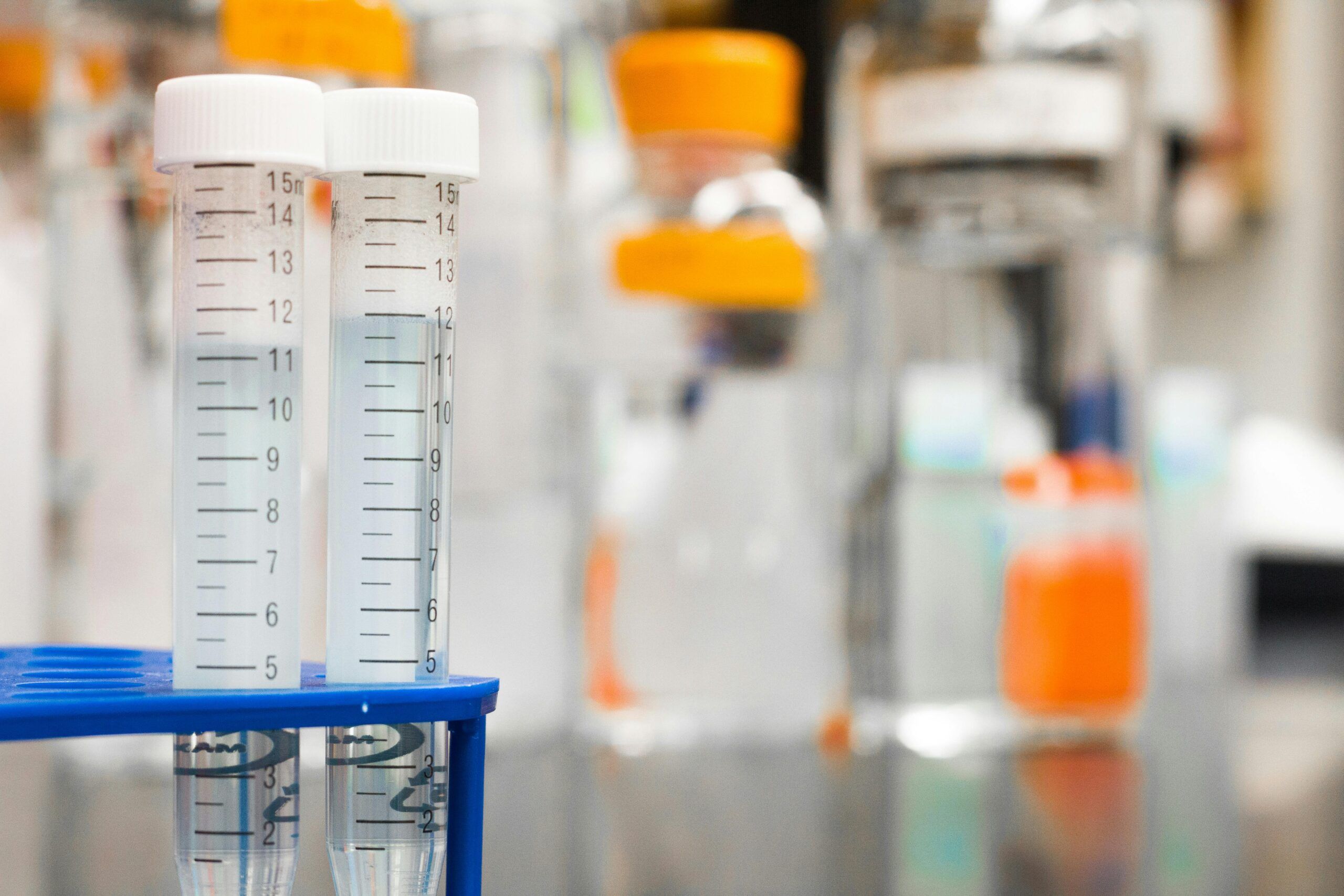
The Free University of Brussels (ULB) is a leading public research university, founded in 1834. With over 30,000 students and a vibrant international community, ULB is renowned for its academic excellence, critical thinking and freedom of research. The Lafontaine Laboratory is based at BioParc Charleroi Brussels South, a dynamic biotechnology campus in Gosselies.
About the Laboratory: The RNA Molecular Biology Laboratory (PI: Denis Lafontaine) investigates ribosome biogenesis, RNA processing and modification, and nucleolus organisation. It combines molecular genetics, cell biology, biochemistry, and high-resolution sequencing (short and long read) to understand how ribosome production is regulated in health and disease, with a special focus on ribosomopathies (e.g., Diamond-Blackfan anaemia) and therapeutic strategies targeting nucleolus dysfunction. The doctoral thesis will be co-supervised by the PI: Vincent Detours (Computational Biology, Faculty of Medicine, ULB).
A vacancy is available for a PhD position to carry out the following project: The nucleolus is a biomolecular condensate formed by liquid-liquid phase separation where early ribosome biogenesis occurs. Its material state responds to stress and correlates with disease. This project investigates whether and how the material state of the nucleolus is altered in cancer, and what consequences this has for nucleolus function and RNA metabolism.
Tasks:
- Quantify the state of nucleolar material using digital holographic microscopy (DHM) in panels of cancer cells ± chemotherapeutics (e.g., CX-5461, oxaliplatin) and in engineered optogenetic models that adjust the properties of the condensate
- Monitor rRNA processing and modification to define molecular “fingerprints” (cell type, disease grade), leveraging Oxford Nanopore short-read and long-read sequencing
- Test the hypothesis that nucleolar sequestration limits excessive ADAR activity by reinforcing nucleolar localisation and analyse the overall effects on RNA processing and gene expression. This project aligns with EURECA’s objectives and will provide new insights into how the state of condensed material relates to RNA metabolism and cancer biology.
This project aligns with EURECA’s objectives and will provide new insights into how the state of condensed material relates to RNA metabolism and cancer biology.
Requirements:
- Master’s/Research Master’s (or equivalent) in Molecular/Cell Biology, Biochemistry, Bioengineering, Bioinformatics, Computational Biology, Physics, or related field (degree completed prior to start date).
- Strong understanding of gene expression (transcription, RNA processing/modification, translation).
- Comfortable in a Linux/Unix environment; basic knowledge of shell scripting and Python or R.
- Strong quantitative mindset and motivation to develop analysis pipelines for NGS and nanopore data.
- Experience in quantitative microscopy.
- Excellent communication skills in English; collaborative, organised, and self-motivated.
- Experience with next-generation sequencing analysis (RNA-seq; splicing; modification mapping).
- Familiarity with Nextflow and version control (GitHub/GitLab).
- Exposure to ribosome biogenesis, biomolecular condensates, or advanced microscopy is an advantage.
Benefits:
- Fully funded PhD position with competitive salary and, if applicable, mobility and family allowances (according to the MSCA programme). The University provides funding for the fourth year.
- International training within the EURECA network (workstations, workshops, summer schools). Each student will benefit from extensive training between universities, research centres and industry.
- Access to state-of-the-art imaging and sequencing platforms; robust bioinformatic support through (IB)² ( https://ibsquare.be/ ).
- A supportive and collaborative environment at ULB and BioParque.
Organisation/company: Lafontaine Laboratory – Free University of Brussels.
Field of research: Biological sciences » Biology. Physics » Biophysics
Research profile: Early-stage researcher (R1).
Country: Brussels.
Application deadline: 28 February 2026 – 23:59 (Europe/Brussels).
Further information: EURAXESS.
Publicaciones relacionadas:
 PhD position in Immunology/Biophysics in Korea
 Postdoctoral fellowship (2 years) to study Mitochondrial protein quality control in Sweden
 PhD – Medical sciences, chemistry, biology – Sweden
 PhD – Pre-doctoral Researcher in Clinical Nutrition and Personalised Medicine – Spain
 PhD – Occupational Psychophysiology – Switzerland
Leave a Reply