
On Tuesday night, Parliament and Council reached a provisional agreement on new measures to prevent and reduce waste from food and textiles across the EU.
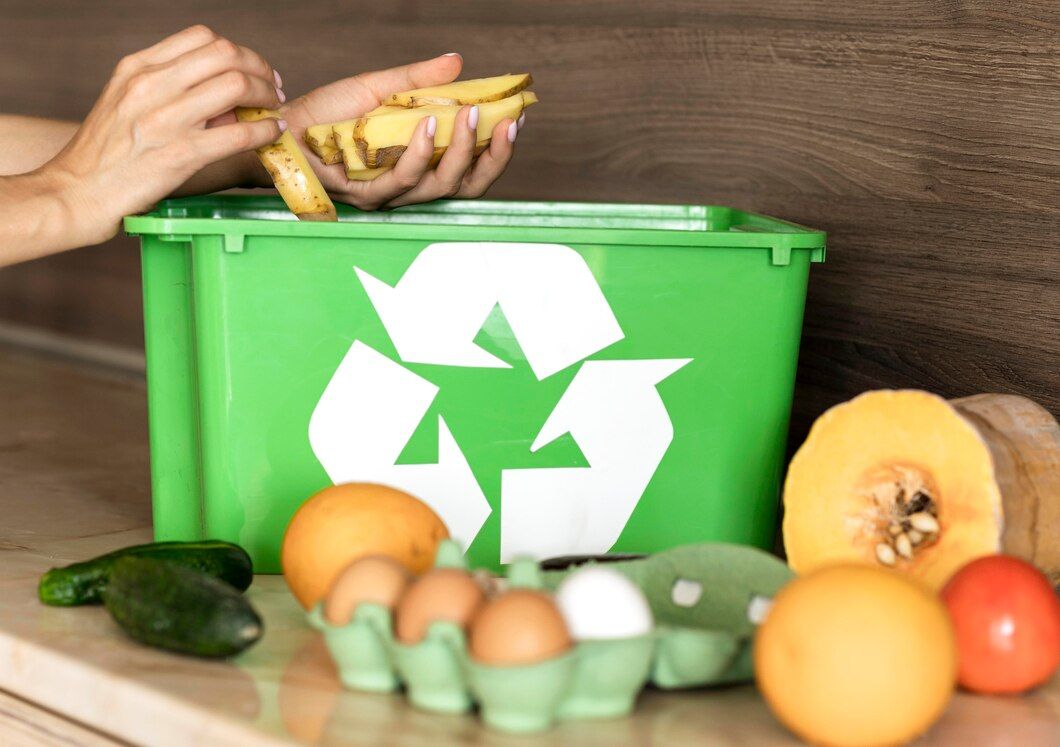
Cutting down food waste
Negotiators agreed to introduce binding food waste reduction targets to be met at national level by 31 December 2030: 10% in food processing and manufacturing and 30% per capita in retail, restaurants, food services and households. These targets would be calculated in comparison to the amount generated as an annual average between 2021 and 2023. Following Parliament’s request, EU countries would have to take measures to ensure that economic operators having a significant role in the prevention and generation of food waste (to be identified in each country) facilitate the donation of unsold food that is safe for human consumption.
Producers to cover costs for collecting, sorting and recycling waste textiles
According to the deal, EU countries would have to establish producer responsibility (EPR) schemes, through which producers that make textiles available in an EU country would have to cover the costs for their collection, sorting and recycling, 30 months after the entry into force of the directive. These provisions would apply to all producers, including those using e-commerce tools and irrespective of whether they are established in an EU country or outside the EU. Micro-enterprises would need to comply with the EPR requirements 12 months later.
The new rules would cover products such as clothing and accessories, footwear, blankets, bed and kitchen linen, curtains, hats. At Parliament’s initiative, EU countries may also set up EPR schemes for the producers of mattresses.
Negotiators also agreed that member states should address ultra-fast fashion and fast fashion practices when setting out the financial contributions to the EPR schemes.
Quote
Rapporteur Anna Zalewska (ECR, PL) said: “During the final negotiations round, Parliament succeeded to secure provisions making sure that food waste and textiles waste as part of the municipal waste will be further reduced. We succeeded in ensuring feasible and realistic provisions for member states to implement food waste reduction policies and we managed to ensure that the agriculture sector will not be negatively impacted. We also set up the legal framework to ensure that producers contribute to the effective separate collection of textiles they produce. We managed to lower the administrative burden both for member states and economic operators.”
Next steps
Parliament and Council have concluded an “early second reading agreement” (negotiations took place after the EP’s first reading was adopted in plenary). The Council is now expected to formally adopt its position, which can then be endorsed by the EP in second reading.
Background
Every year, almost 60 million tonnes of food waste (132 kg per person) and 12.6 million tonnes of textile waste are generated in the EU. Clothing and footwear alone account for 5.2 million tonnes of waste, equivalent to 12 kg of waste per person every year. It is estimated that less than 1% of all textiles worldwide are recycled into new products.
In July 2023, the Commission proposed a revision of the EU rules on waste, targeted at food and textile waste. Under the existing rules, EU countries were already required to set up separate collection of textiles by 1 January 2025.
More information European Parliament.
Publicaciones relacionadas:
 The Commission calls for accelerating water protection and flood risk management in Europe
 EU launches roadmap with partners at COP29 to reach the goal of reducing methane emissions by at least 30% by 2030
 EU continues to be a global leader on sustainable finance
 EU secures agreement on carbon market rules and new climate finance goal
 Zero Pollution: New EU rules enter into force for cleaner air by 2030
Leave a Reply