• Skip to primary navigation
  • Skip to main content
  • Skip to primary sidebar
  • Skip to footer
  • Bluesky
  • Facebook
  • Instagram
  • Twitter
  • YouTube
CDE Almería – Centro de Documentación Europea – Universidad de Almería

CDE Almería - Centro de Documentación Europea - Universidad de Almería

Centro de Documentación Europea de la Universidad de Almería

  • HOME
  • WHAT´S ON
    • EU NEWS
    • Activities
    • EU Calls and Awards
    • Radio Program «Europe with You»
  • DOCUMENTATION
    • EU Media Collection
      • Web Space
      • MEDIATHEQUE REPOSITORY
  • Europe on the net
    • Institutions
    • EU Representation in Spain
    • European information network of Andalusia
  • ABOUT US
    • Presentation
    • Services
    • People
    • Contact
  • Spanish
  • English

Council to sign agreement with Serbia and Frontex

Inicio » EU News » Institutional Affairs » International Politics and Cooperation » Council to sign agreement with Serbia and Frontex

31 de May de 2024

The Council has decided that the EU will sign an agreement with the Republic of Serbia on operational activities being carried out by the European Border and Coast Guard Agency (Frontex).
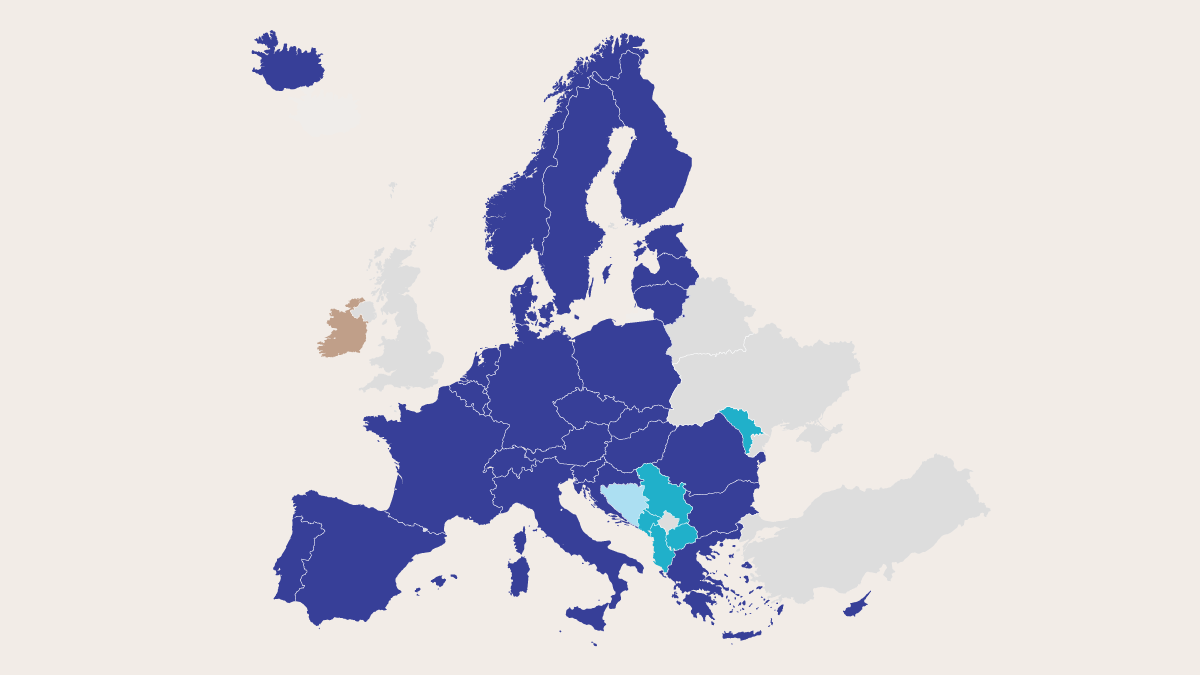
The agreement will allow the EU and Serbia to organise joint operations involving Frontex and the Serbian border guards. It also means that Frontex border management teams can be deployed in Serbia, and will allow Frontex to assist Serbia in managing migratory flows, countering illegal immigration and tackling cross-border crime.

Background

The new agreement will replace the current status agreement between the EU and Serbia. The current agreement is based on the old Frontex regulation and only allows joint operations at Serbia’s border with the European Union.

First evaluation of the Frontex Regulation delivers overall positive assessment despite challenges

Based on the new European Border and Coast Guard Agency regulation of 2019, Frontex can assist countries it signs agreements with throughout their territory and can exercise executive powers, such as border checks and registration of persons.

Frontex has border management cooperation agreements in place with Moldova (2022), North Macedonia (2023), Montenegro (2023) and Albania (2024).

Next steps

After signature, the agreement will go through a ratification or approval process, which, for the EU, involves the European Parliament giving its consent and the Council completing the final conclusion of the agreement.

More information: Council of the EU

Publicaciones relacionadas:

The European Commission proposes to facilitate the mobility of young people between the EU and the United Kingdom. European and World Day against the Death Penalty: Joint statement by the European Union and Council of Europe bitcoinCall centres selling fake crypto taken down in Bulgaria, Serbia and Cyprus windsorThe Council adopted three Regulations aimed at implementing the solutions agreed jointly with the United Kingdom logo presidencia consejo de la ue españaPriorities of the Spanish Presidency of the Council of the European Union


EU News,  Institutional Affairs,  International Politics and Cooperation Consejo de la UE,  Council of the EU,  FRONTEX,  serbia

“This is a space for debate. All comments, for or against publication, that are respectful and do not contain expressions that are discriminatory, defamatory or contrary to current legislation will be published”.

Reader Interactions

Leave a Reply Cancel reply

Your email address will not be published. Required fields are marked *

This site uses Akismet to reduce spam. Learn how your comment data is processed.

Primary Sidebar

Footer

  • CDE Almería
  • Biblioteca Nicolás Salmerón – Universidad de Almería
  • Planta: 1ª, Despacho: 1.05.0B.
  • Ctra. Sacramento s/n. Almería (Spain)
  • Teléfono: (+34) 950 015266

HOME
NEWS
DOCUMENTATION
EUROPE ON THE NET
ABOUT US

  • LEGAL NOTICE
  • PRIVACY POLICY
  • COOKIE POLICY
  • ACCESSIBILITY
  • SITEMAP

Copyright © 2026 CDE Almería · Creative Commons LicenseThis work is licensed under a Creative Commons Attribution-NonCommercial 4.0 International License.

<p>El Centro de Documentación Europea de la Universidad de Almería utiliza cookies propias y de terceros para facilitar al usuario la navegación en su página Web y el acceso a los distintos contenidos alojados en la misma. Asimismo, se utilizan cookies analíticas de terceros para medir la interacción de los usuarios con el sitio Web. Pinche el siguiente enlace si desea información sobre el uso de cookies y como deshabilitarlas. </p>

Politica de privacidad

El Centro de Documentación Europea de la Universidad de Almería utiliza cookies propias y de terceros para facilitar al usuario la navegación en su página Web y el acceso a los distintos contenidos alojados en la misma. Asimismo, se utilizan cookies analíticas de terceros para medir la interacción de los usuarios con el sitio Web. Pinche el siguiente enlace si desea información sobre el uso de cookies y como deshabilitarlas. <a href="/politica-de-cookies" rel="noopener" target="_blank">Más información</a>

Cookies estrictamente necesarias

Las cookies estrictamente necesarias tiene que activarse siempre para que podamos guardar tus preferencias de ajustes de cookies.

Básicamente la web no funcionara bien si no las activas.

Estas cookies son:

  • Comprobación de inicio de sesión.
  • Cookies de seguridad.
  • Aceptación/rechazo previo de cookies.
Cookies de terceros

Esta web utiliza Google Analytics, Google Tag Manager y Yandex Metrika para recopilar información anónima tal como el número de visitantes del sitio, o las páginas más populares.

Dejar estas cookies activas nos permite mejorar nuestra web.

Política de cookies

Pinche el siguiente enlace si desea información sobre el uso de cookies y como deshabilitarlas. Más información