• Skip to primary navigation
  • Skip to main content
  • Skip to primary sidebar
  • Skip to footer
  • Bluesky
  • Facebook
  • Instagram
  • Twitter
  • YouTube
CDE Almería – Centro de Documentación Europea – Universidad de Almería

CDE Almería - Centro de Documentación Europea - Universidad de Almería

Centro de Documentación Europea de la Universidad de Almería

  • HOME
  • WHAT´S ON
    • EU NEWS
    • Activities
    • EU Calls and Awards
    • Radio Program «Europe with You»
  • DOCUMENTATION
    • EU Media Collection
      • Web Space
      • MEDIATHEQUE REPOSITORY
  • Europe on the net
    • Institutions
    • EU Representation in Spain
    • European information network of Andalusia
  • ABOUT US
    • Presentation
    • Services
    • People
    • Contact
  • Spanish
  • English

Commission suggests waiving tolls to encourage uptake of zero-emission trucks and buses

Inicio » Noticias UE » Medio Ambiente » Climate action » Commission suggests waiving tolls to encourage uptake of zero-emission trucks and buses

30 de June de 2025

To stimulate and support the competitiveness of sustainable road transport, the European Commission is proposing to exempt zero-emission heavy-duty vehicles from road tolls and user charges.
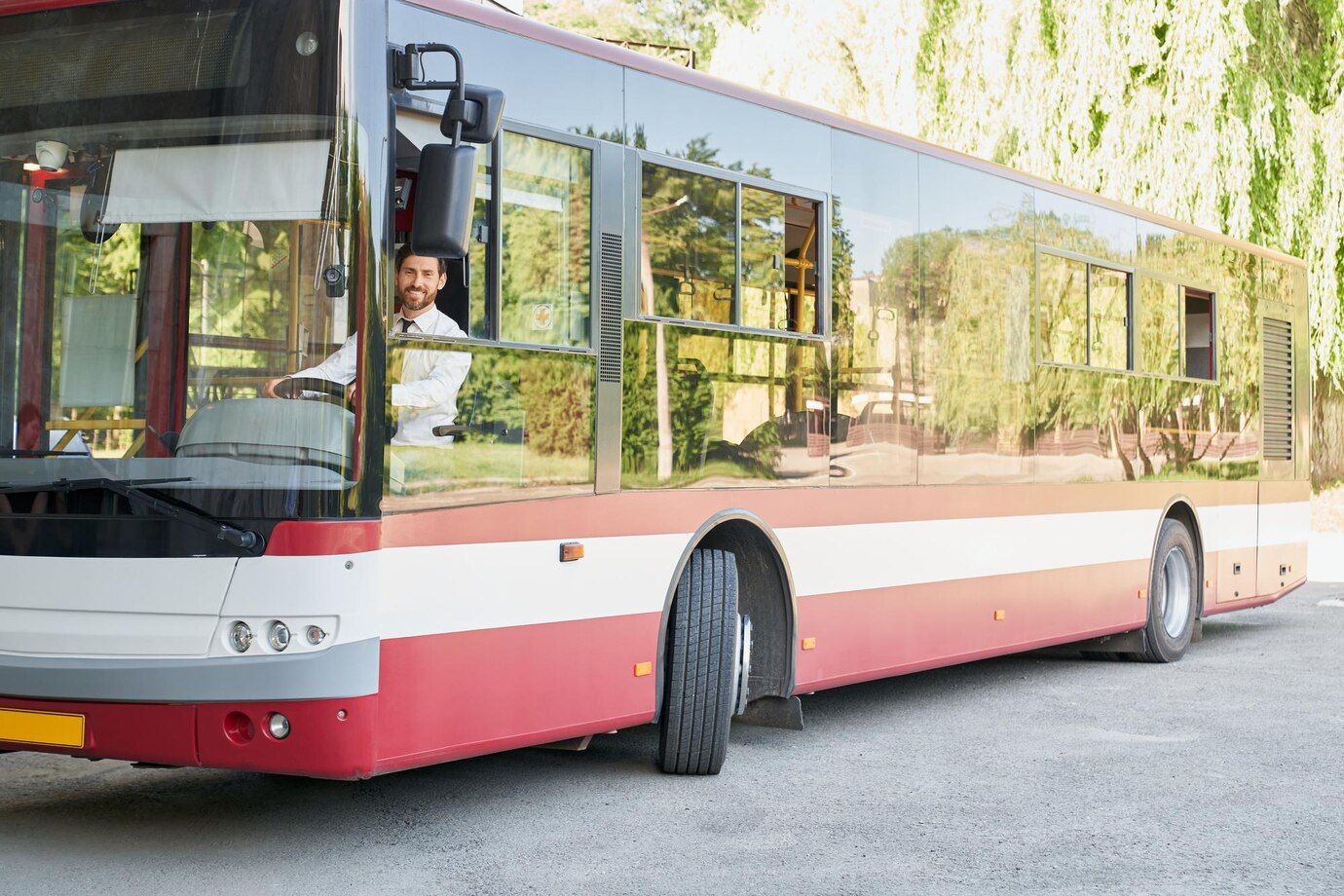
As pledged in its Industrial Action Plan for the European automotive sector, the Commission is proposing to extend the current exemption period from 31 December 2025 to 30 June 2031, providing a significant incentive for companies to invest in zero-emission heavy-duty vehicles.

The upfront cost of these vehicles is currently higher than their conventional counterparts, making them less attractive to buyers and remaining one of the main barriers to their wider deployment. By waiving tolls and user charges, the EU aims to strengthen the business case for investing in zero-emission trucks and buses.

The proposed exemption period will be synchronised with the EU’s CO2 emission performance standards for new heavy-duty vehicles which target a 43% reduction in emissions by 2030.

Next steps

The proposal will now be considered by the European Parliament and the Council under the ordinary legislative procedure.

Background

To address the changes ahead for Europe’s automotive industry, and the challenges these changes pose, the Commission launched a Strategic Dialogue on the Future of the European Automotive Industry, followed by an Industrial Action Plan that was adopted in March 2025. Today’s proposal implements a specific action from this plan: to boost demand for zero-emission vehicles and to accelerate the uptake of zero-emission HDVs.

In 2022, the heavy-duty road transport sector caused 27.5% of road transport CO2 emissions, despite accounting for only 2.4% of the vehicle fleet. It also produced 6.9% of all emissions in the EU. To help decarbonise this sector, Directive 1999/62/EC was amended in 2022 to enable the differentiation of road charges based on vehicles’ CO2 emissions. The Directive also allowed Member States to set greatly reduced rates or even grant a full exemption for zero-emission HDVs from tolls or user charges until 31 December 2025. Under the current rules, only a partial reduction (between 50% and 75%) can be granted to zero-emission HDVs after this date.

More information: European Commission.

Publicaciones relacionadas:

EU launches roadmap with partners at COP29 to reach the goal of reducing methane emissions by at least 30% by 2030 EU continues to be a global leader on sustainable finance EU secures agreement on carbon market rules and new climate finance goal Default ThumbnailZero Pollution: New EU rules enter into force for cleaner air by 2030 Your opinion counts! Participate in the consultation on the zero net emissions industry law


Climate action,  Environmental Affairs,  EU News buses,  clean mobility,  climate targets,  EU Green Deal,  European Commission,  lorries,  road freight decarbonisation,  sustainable Transport,  toll exemptions,  zero-emission vehicles

“This is a space for debate. All comments, for or against publication, that are respectful and do not contain expressions that are discriminatory, defamatory or contrary to current legislation will be published”.

Reader Interactions

Leave a Reply Cancel reply

Your email address will not be published. Required fields are marked *

This site uses Akismet to reduce spam. Learn how your comment data is processed.

Primary Sidebar

Footer

  • CDE Almería
  • Biblioteca Nicolás Salmerón – Universidad de Almería
  • Planta: 1ª, Despacho: 1.05.0B.
  • Ctra. Sacramento s/n. Almería (Spain)
  • Teléfono: (+34) 950 015266

HOME
NEWS
DOCUMENTATION
EUROPE ON THE NET
ABOUT US

  • LEGAL NOTICE
  • PRIVACY POLICY
  • COOKIE POLICY
  • ACCESSIBILITY
  • SITEMAP

Copyright © 2026 CDE Almería · Creative Commons LicenseThis work is licensed under a Creative Commons Attribution-NonCommercial 4.0 International License.

<p>El Centro de Documentación Europea de la Universidad de Almería utiliza cookies propias y de terceros para facilitar al usuario la navegación en su página Web y el acceso a los distintos contenidos alojados en la misma. Asimismo, se utilizan cookies analíticas de terceros para medir la interacción de los usuarios con el sitio Web. Pinche el siguiente enlace si desea información sobre el uso de cookies y como deshabilitarlas. </p>

Politica de privacidad

El Centro de Documentación Europea de la Universidad de Almería utiliza cookies propias y de terceros para facilitar al usuario la navegación en su página Web y el acceso a los distintos contenidos alojados en la misma. Asimismo, se utilizan cookies analíticas de terceros para medir la interacción de los usuarios con el sitio Web. Pinche el siguiente enlace si desea información sobre el uso de cookies y como deshabilitarlas. <a href="/politica-de-cookies" rel="noopener" target="_blank">Más información</a>

Cookies estrictamente necesarias

Las cookies estrictamente necesarias tiene que activarse siempre para que podamos guardar tus preferencias de ajustes de cookies.

Básicamente la web no funcionara bien si no las activas.

Estas cookies son:

  • Comprobación de inicio de sesión.
  • Cookies de seguridad.
  • Aceptación/rechazo previo de cookies.
Cookies de terceros

Esta web utiliza Google Analytics, Google Tag Manager y Yandex Metrika para recopilar información anónima tal como el número de visitantes del sitio, o las páginas más populares.

Dejar estas cookies activas nos permite mejorar nuestra web.

Política de cookies

Pinche el siguiente enlace si desea información sobre el uso de cookies y como deshabilitarlas. Más información