
The Commission has topped up the budget of the MSCA4Ukraine initiative, set up to support researchers forced to flee Ukraine, with an additional €10 million. The scheme, set up under Marie Skłodowska-Curie Actions (MSCA) has supported displaced researchers since the start of the Russian war of aggression against Ukraine.

The additional funding will allow at least 50 additional researchers, including PhD students and post-doctoral researchers, who were forced to flee Ukraine, to continue to work safely on research projects in universities, companies, research centres and other institutions based in the EU and in Horizon Europe partner countries.It will also allow researchers to access training, skills and career development opportunities. Specific support will be given to organisations hosting researchers and to fellows moving with their families.
Since its launch, the MSCA4Ukraine fellowship programme has supported 125 seconded researchers from Ukraine, who have been trained and worked in 21 countries.
The selected researchers will be able to start a new project or continue their previous work to pursue their research on any topic of their choice, including issues directly related to Ukraine relief and recovery. Current MSCA4Ukraine fellows are contributing to topics such as investigating war crimes in Ukraine or responding to the mental health care needs of displaced Ukrainian women.
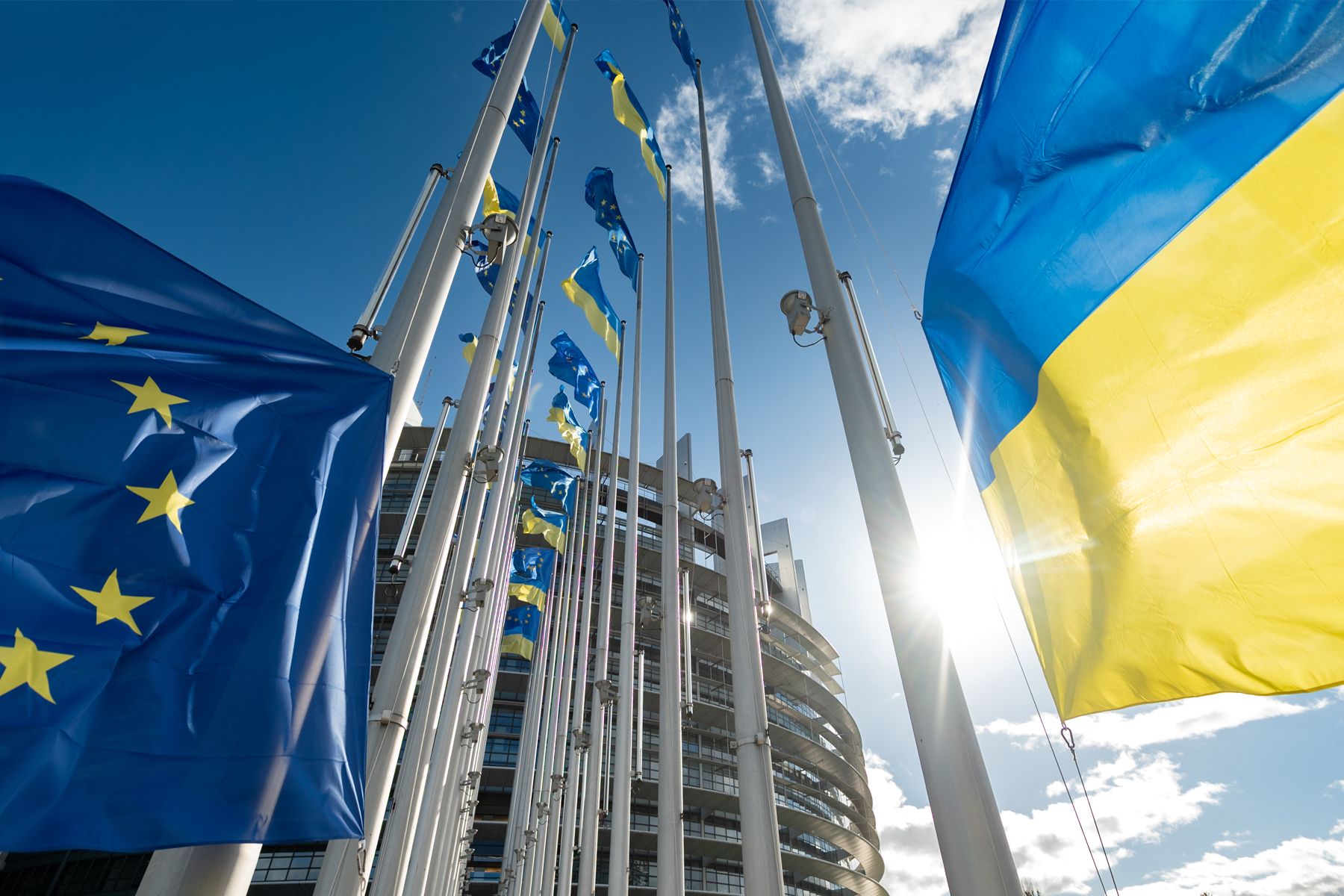
Parliament calls on EU to give Ukraine what it needs to defeat Russia |
The scheme is part of the EU’s wider support to Ukraine. Specifically in the field of research and innovation, Ukraine participates in Horizon Europe and the Euratom programme without having to contribute financially.The EU has recently opened a Horizon Europe office in Kiev and has set up a programme to support Ukrainian deep-tech companies in the framework of the European Innovation Council (EIC).
It has also set up a European Institute of Innovation and Technology (EIT) community centre in Ukraine, which will offer Ukrainian innovators who remain in their home country access to partners, markets, test beds, training and investment.
On 18-19 April, MSCA4Ukraine researchers will give testimonials at the annual Marie Skłodowska-Curie Actions conference on the theme of researchers’ careers, organised with the Belgian Presidency of the Council of the European Union.
Next steps
The next MSCA4Ukraine call is expected to be launched in May 2024, allowing selected researchers to start their fellowships in early 2025.
The first step for researchers wishing to apply is to prepare an application together with their potential host organisation, which will submit the proposal on behalf of the researcher.
An information day for potential host organisations will be organised shortly after the publication of the call.
More information: European Commission
Publicaciones relacionadas:
 European Commission launches New European Bauhaus capacity building programme to rebuild Ukraine
 Ukraine, Moldova and Georgia’s perspective to become members of the EU
 State aid: Commission approves €3.9 million Estonian scheme to support agricultural producers in context of Russia’s invasion of Ukraine
 December 10 – Human Rights Day
 EU and Thailand relaunch trade negotiations
Leave a Reply