• Skip to primary navigation
  • Skip to main content
  • Skip to primary sidebar
  • Skip to footer
  • Bluesky
  • Facebook
  • Instagram
  • Twitter
  • YouTube
CDE Almería – Centro de Documentación Europea – Universidad de Almería

CDE Almería - Centro de Documentación Europea - Universidad de Almería

Centro de Documentación Europea de la Universidad de Almería

  • HOME
  • WHAT´S ON
    • EU NEWS
    • Activities
    • EU Calls and Awards
    • Radio Program «Europe with You»
  • DOCUMENTATION
    • EU Media Collection
      • Web Space
      • MEDIATHEQUE REPOSITORY
  • Europe on the net
    • Institutions
    • EU Representation in Spain
    • European information network of Andalusia
  • ABOUT US
    • Presentation
    • Services
    • People
    • Contact
  • Spanish
  • English

CJEU: The name Pablo Escobar cannot be registered as an EU trade mark

Inicio » Noticias UE » Derecho » Jurisprudence » CJEU: The name Pablo Escobar cannot be registered as an EU trade mark

19 de April de 2024

The public would associate that name with drug trafficking and narco-terrorism.
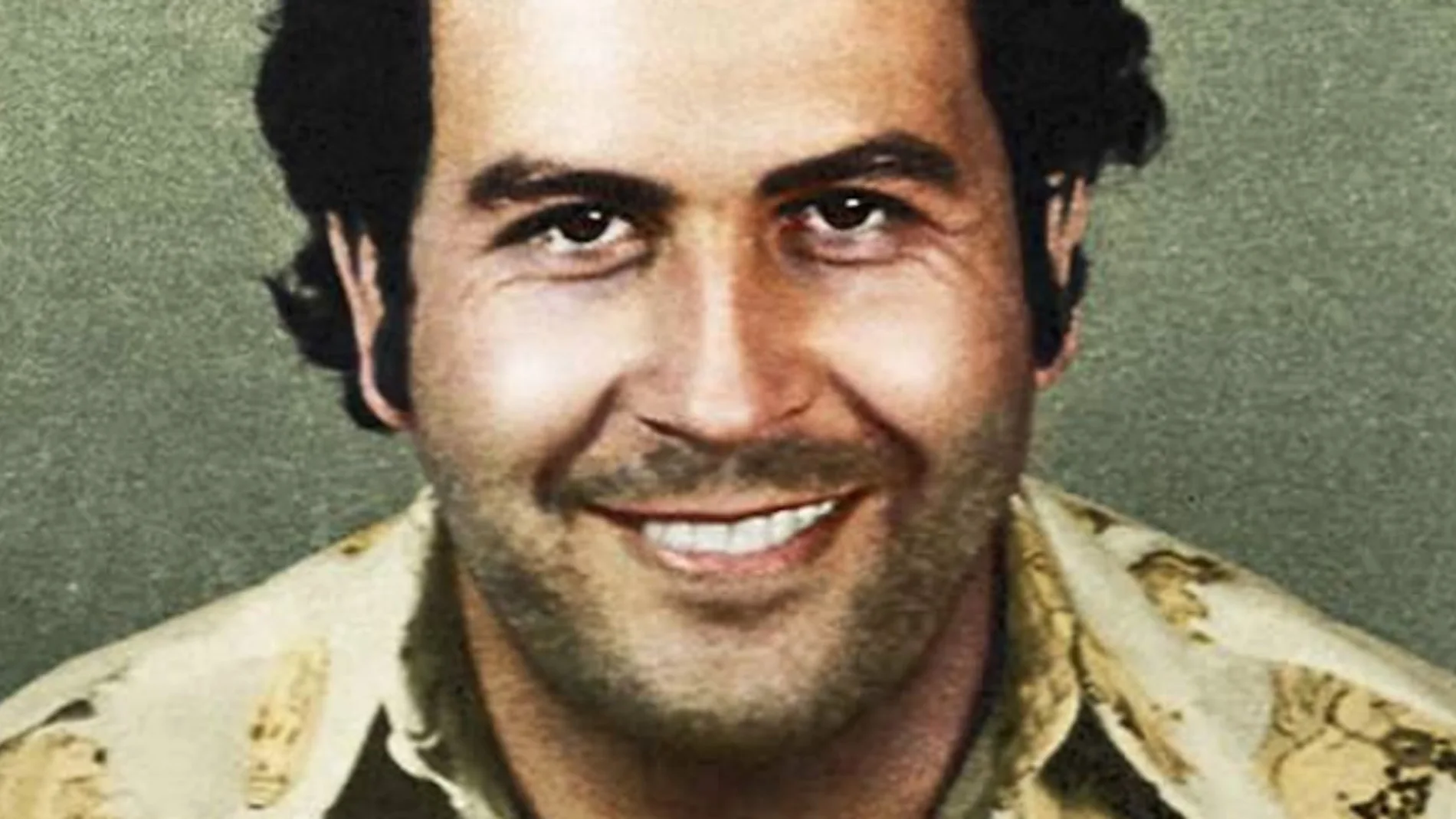
On 30 September 2021, Escobar Inc., established in Puerto Rico (United States), filed an application with the European Union Intellectual Property Office (EUIPO) for registration of the word sign Pablo Escobar as an EU trade mark for a wide range of goods and services. The Colombian national named Pablo Escobar, who was born on 1 December 1949 and died on 2 December 1993, is presumed to be a drug lord and a narco-terrorist who founded and was the sole leader of the Medellín cartel (Colombia).

EUIPO rejected the application for registration on the ground that the mark was contrary to public policy and to accepted principles of morality. It relied on the perception of the Spanish public, as it is the most familiar with Pablo Escobar due to the links between Spain and Colombia. Escobar Inc. brought an action against that decision before the General Court of the European Union, but the Court upholds the refusal to register the trade mark Pablo Escobar.

According to the Court, EUIPO could rely, in its assessment, on the perception of reasonable Spaniards, with average sensitivity and tolerance thresholds and who share the indivisible and universal values on which the European Union is founded (human dignity, freedom, equality and solidarity, and the principles of democracy and the rule of law and the right to life and physical integrity).

EUIPO correctly found that those persons would associate the name of Pablo Escobar with drug trafficking and narco-terrorism and with the crimes and suffering resulting therefrom, rather than with his possible good deeds in favour of the poor in Colombia. The trade mark would therefore be perceived as running counter to the fundamental values and moral standards prevailing within Spanish society.

The Court adds that Pablo Escobar’s fundamental right to the presumption of innocence has not been infringed because, even though he was never criminally convicted, he is publicly perceived in Spain as a symbol of organised crime responsible for numerous crimes.

Violence against women: the Court clarifies the conditions for qualifying for international protection


More information: Court of Justice of the European Union

Publicaciones relacionadas:

EU reaches political agreement on updated enforcement regulation criptomoneda delante de un ordenadorEuropean Parliament approves Europe’s first ever rules on crypto-assets New road charging rules adopted by Council persona trabajando en un ordenadorDigital Markets Act: rules for digital gatekeepers to ensure open markets enter into force avión lufthansaThe General Court of the European Union annuls Germany’s €6 billion bailout of Lufthansa




EU News,  International Trade,  Jurisprudence,  Law,  Market Colombia,  Court of Justice of the European Union,  EU,  European Union Intellectual Property Office,  USA

“This is a space for debate. All comments, for or against publication, that are respectful and do not contain expressions that are discriminatory, defamatory or contrary to current legislation will be published”.

Reader Interactions

Leave a Reply Cancel reply

Your email address will not be published. Required fields are marked *

This site uses Akismet to reduce spam. Learn how your comment data is processed.

Primary Sidebar

Footer

  • CDE Almería
  • Biblioteca Nicolás Salmerón – Universidad de Almería
  • Planta: 1ª, Despacho: 1.05.0B.
  • Ctra. Sacramento s/n. Almería (Spain)
  • Teléfono: (+34) 950 015266

HOME
NEWS
DOCUMENTATION
EUROPE ON THE NET
ABOUT US

  • LEGAL NOTICE
  • PRIVACY POLICY
  • COOKIE POLICY
  • ACCESSIBILITY
  • SITEMAP

Copyright © 2026 CDE Almería · Creative Commons LicenseThis work is licensed under a Creative Commons Attribution-NonCommercial 4.0 International License.

<p>El Centro de Documentación Europea de la Universidad de Almería utiliza cookies propias y de terceros para facilitar al usuario la navegación en su página Web y el acceso a los distintos contenidos alojados en la misma. Asimismo, se utilizan cookies analíticas de terceros para medir la interacción de los usuarios con el sitio Web. Pinche el siguiente enlace si desea información sobre el uso de cookies y como deshabilitarlas. </p>

Politica de privacidad

El Centro de Documentación Europea de la Universidad de Almería utiliza cookies propias y de terceros para facilitar al usuario la navegación en su página Web y el acceso a los distintos contenidos alojados en la misma. Asimismo, se utilizan cookies analíticas de terceros para medir la interacción de los usuarios con el sitio Web. Pinche el siguiente enlace si desea información sobre el uso de cookies y como deshabilitarlas. <a href="/politica-de-cookies" rel="noopener" target="_blank">Más información</a>

Cookies estrictamente necesarias

Las cookies estrictamente necesarias tiene que activarse siempre para que podamos guardar tus preferencias de ajustes de cookies.

Básicamente la web no funcionara bien si no las activas.

Estas cookies son:

  • Comprobación de inicio de sesión.
  • Cookies de seguridad.
  • Aceptación/rechazo previo de cookies.
Cookies de terceros

Esta web utiliza Google Analytics, Google Tag Manager y Yandex Metrika para recopilar información anónima tal como el número de visitantes del sitio, o las páginas más populares.

Dejar estas cookies activas nos permite mejorar nuestra web.

Política de cookies

Pinche el siguiente enlace si desea información sobre el uso de cookies y como deshabilitarlas. Más información