
Parliament put forward recommendations aimed at moving towards a society that promotes equality between men and women in both formal and informal care.
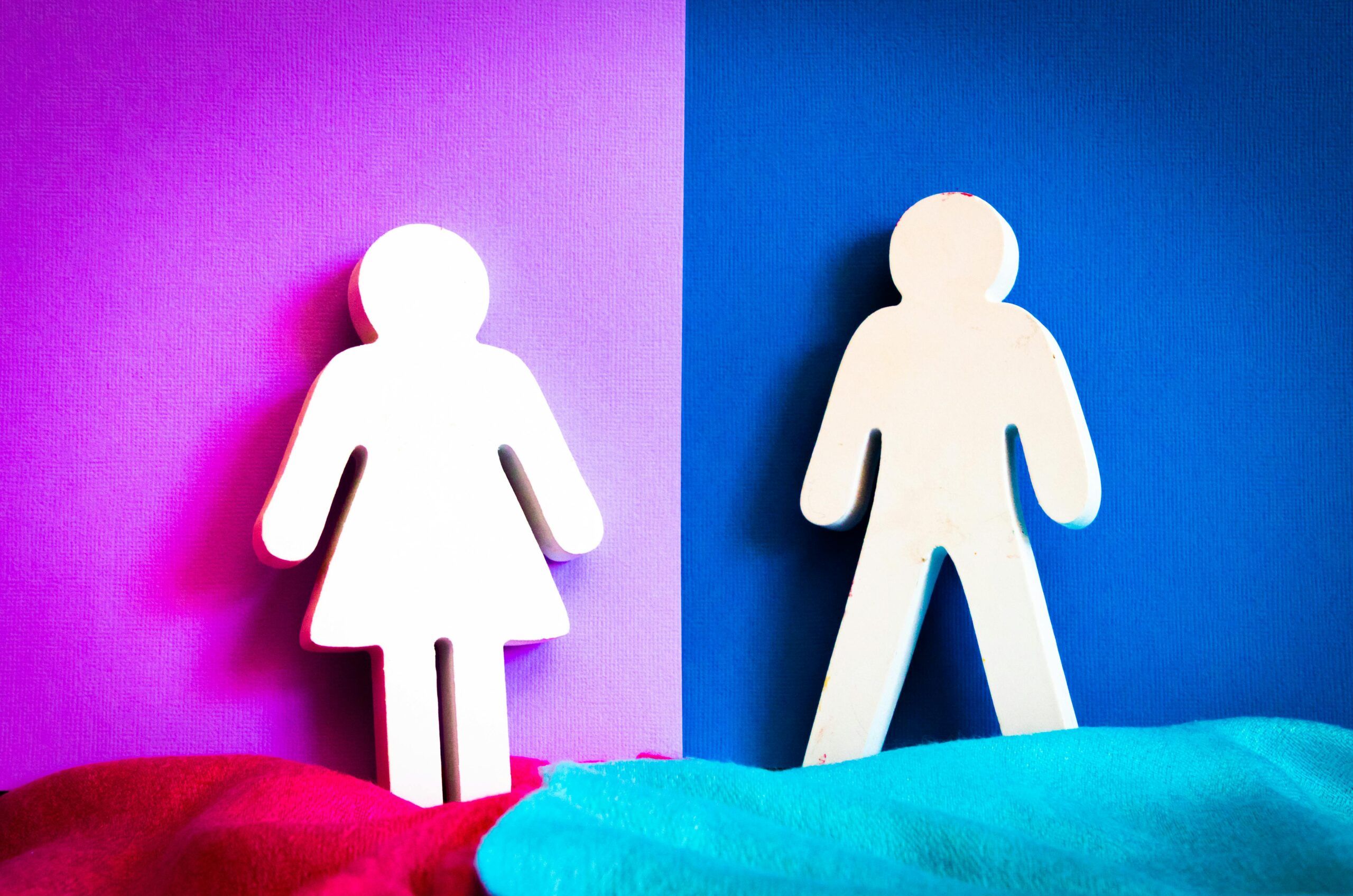
In a report adopted by 263 votes to 83, with 154 abstentions, MEPs state that access to care is a fundamental right and urge EU countries to address gender inequality in all forms of care. The text calls for a ‘care society’ that prioritises home and community care, intergenerational solidarity and independent living. Given demographic trends, the Parliament calls for sustainable funding and a person-centred, rights-based approach.
The resolution also calls for a ‘European Caregivers’ Statute’ to recognise care work and establish minimum standards across the EU. MEPs also want to ensure that informal carers are recognised in pension schemes and social security systems.
Fair distribution of care
Care responsibilities should not fall disproportionately on women, say MEPs. Gender equality in care requires the sharing of tasks, accessible care services, equal pay, parental leave and flexible working arrangements. Parliament calls for awareness-raising campaigns to encourage men to take on a fair share of care, boost women’s participation in the labour market and challenge traditional gender stereotypes.
Non-EU workers in the care sector
Having acknowledged that care work is carried out by workers from both the EU and third countries, MEPs stress the need to prioritise local recruitment, whilst adapting migration management to the needs of the labour market. The recruitment of workers from outside the EU must take place through legal migration channels, they note. They also call for investment in training and integration. Finally, the text condemns undeclared work, exploitation and precarious employment.
European Action Plan
MEPs welcome the European Commission’s announcement that it will present a European ‘care agreement’ in 2027.They want it to include specific measures to help close the gender gap in care and support formal and informal carers, focusing on employment and training – including digital skills – social protection, childcare and psychosocial support.
Statement
Eleonora Meleti (EPP, Greece), rapporteur for the Committee on Employment and Social Affairs, said: “There are 6.2 million formal carers and 53 million informal carers in the EU. They offer their presence, their patience and a human touch. This report recognises care as a pillar of our society and our economy, rather than as invisible work that we take for granted. We call for better working conditions, fair pay and psychological support for professional carers. And, for non-professionals, we demand flexible working arrangements and leave. This burden continues to fall disproportionately on women, when it should be everyone’s responsibility.”
Rosa Estaràs Ferragut (EPP, Spain), rapporteur for the Committee on Women’s Rights and Gender Equality, stated: “Women continue to bear a disproportionate burden of both formal and informal care and spend 17 hours more per week than men on this type of unpaid work. This invisible work continues to fuel the pay and pension gaps. At the same time, professional care is undervalued and underfunded. Affordable, accessible and high-quality care is a right for everyone, including in rural and remote areas. No one should reach old age without access to adequate care. I welcome the announcement of a European agreement on care by 2027. This must become our roadmap for building a fairer and more caring Europe.”
Background
Care work tends to be invisible and is mainly carried out by women: 56% of women with children under the age of 12 spend at least five hours a day caring for their children, compared with 26% of men, according to the European Institute for Gender Equality.
On 5 March, the European Commission presented a gender equality strategy.
More information: European Parliament.
Publicaciones relacionadas:
 Commission builds on Union of Equality with adoption of new LGBTIQ+ Equality strategy
 MEPs support initiative on accessible abortion
 EU and Member States launch global initiative to advance women’s leadership in public ICT
 Impact of gender quotas on EU politics and business
 EU gender equality reaches new milestone: is progress accelerating?
Leave a Reply