
On Wednesday, Parliament proposed measures to manage the influx and risks associated with cheap, poor-quality products bought on platforms outside the EU.
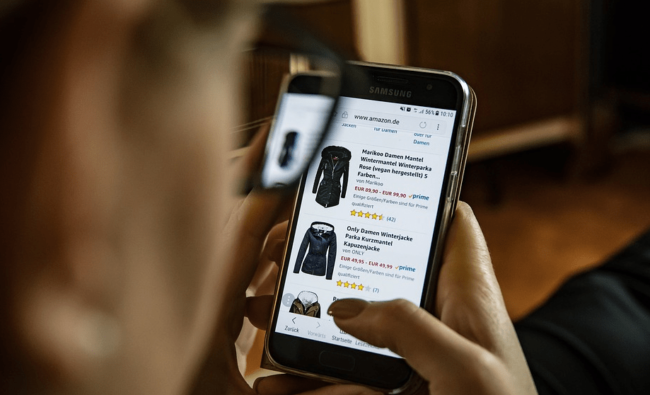
The report, adopted with 619 votes in favour, 26 against and 46 abstentions, identifies ways to ease the pressure on customs and market surveillance authorities, which struggle to monitor and ensure that the twelve million small e-commerce packages arriving in the EU every day are safe.
EU warehousing and elimination of customs exemptions
MEPs believe that storing goods on EU territory could be an effective solution to improve controls and verify that products are safe. To do this, operators outside the EU would have to be persuaded to use warehouses in the EU from which to handle the shipment to the final customer. Monitoring wholesale shipments of similar products is much easier than inspecting individual parcels arriving from third countries.
Parliament also supports the removal of the current exemption from customs duties for products with a value of less than EUR 150 as part of the reform of the EU Customs Code, as it is estimated that around 65% of parcels entering the EU are deliberately undervalued.
Handling fee for small e-commerce parcels
The report backs a priori the Commission’s proposal to impose a ¤2 handling fee for each parcel from outside the EU, as announced in its communication on e-commerce. MEPs call on the Commission to ensure that the fee is proportionate, that it respects WTO rules and that it will not end up being paid by European consumers.
Digitisation and better enforcement
To ease the burden of millions of daily shipments, the text calls for further digitisation of the customs system through technologies such as artificial intelligence and blockchain, which would make controls faster and more efficient. Parliament urges Member States to allocate more resources to national customs authorities for the implementation of these tools. It also calls on the EU to strengthen enforcement of the rules already in place and ensure that platforms comply with their obligations.
Parliament also proposes limiting the presence of high-risk suppliers in critical infrastructure and border security systems, including inspection equipment used in ports and airports.
Next steps
Some of the proposals adopted today will be discussed in the framework of the ongoing negotiations between Parliament and Council on the reform of the EU Customs Code, which started yesterday, 8 July.
Statement by the rapporteur
The report’s rapporteur, Salvatore De Meo (EPP, Italy), said after the vote: “Behind every online purchase there can be risks to health, safety and consumer rights, and all too often these risks come from operators outside the EU who circumvent the rules. We cannot ask our businesses to compete on such an uneven playing field. That is why we are strengthening customs controls, demanding full traceability of sellers and fighting abusive practices. We are sending a clear message: we are committed to a fairer, safer and more transparent digital marketplace.
Context
E-commerce brings unprecedented convenience to consumers, but also significant challenges. Many products reaching the European market do not meet EU safety standards. European businesses face unfair competition, consumers are exposed to misleading commercial practices and taxpayers bear the growing cost of managing non-recyclable waste. At the same time, customs and market surveillance authorities are overwhelmed by the daily arrival of 12 million small parcels from e-commerce.
More information: European Parliament.
Publicaciones relacionadas:
 The EU’s customs reform heralds a new era for customs in Europe
 Agreement on foreign subsidies: ensuring equal competition in the EU
 Cryptocurrency dangers and the benefits of EU legislation
 European Commission detects manipulation practices in 148 of the 399 online stores examined
 European Parliament approves Europe’s first ever rules on crypto-assets
Leave a Reply