
The EU and the Philippines have reached a substantial agreement in their negotiations for a Free Trade Agreement (FTA), which is intended to strengthen economic ties between the EU and another fast-growing strategic partner in South-East Asia.
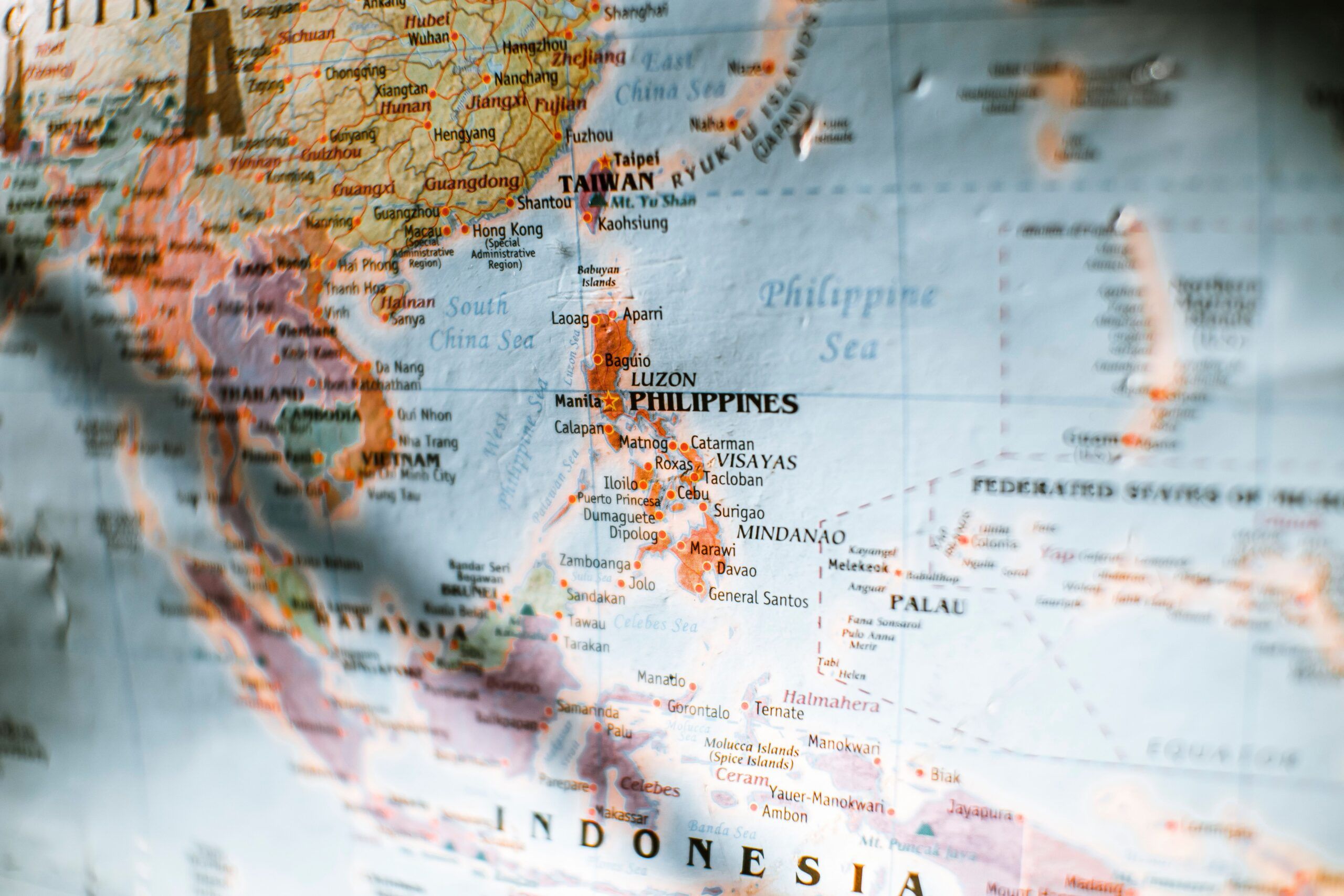
Maros Šefčovič, Commissioner for Trade and Economic Security, and Maria Cristina Aldeguer-Roque, the Philippines’ Secretary of Trade and Industry, announced the substantial progress following their video call, putting the agreement on a clear path to finalisation in the coming months.
This agreement will unlock stronger trade and investment flows, improving conditions for exporters, service providers and investors on both sides, and reinforcing the EU’s strategic commitment to a like-minded partner in the Indo-Pacific region.
At a time when both sides are working to diversify their economic relations, the agreement will also help to build partnerships based on trust, stable and predictable trade rules, and resilient supply chains.
A mutually beneficial agreement
Bilateral trade between the EU and the Philippines has the potential to grow well beyond current levels: a total of €17.6 billion in goods (2025) and €10.3 billion in services (2024).
The mutual benefits will stem from:
- The removal of tariffs by both sides and improved market access for both sides. With a population of 113 million, the Philippines represents a significant market for EU exporters. The FTA will liberalise more than 94 per cent of tariff lines, covering more than 97 per cent of bilateral trade:
- EU industrial exports to the Philippines are led by machinery and apparatus, transport equipment, medicines and medical devices.
- Our key agri-food exports to the Philippines include meat products, such as pork and poultry, as well as dairy products and spirits.
- clear rules on public procurement, opening up the Philippine public procurement market to foreign bidders for the first time;
- better protection of intellectual property rights, including a commercially significant list of EU geographical indications;
- clear and ambitious rules to facilitate digital trade, whilst ensuring data privacy and consumer protection;
- transparent rules on sanitary and phytosanitary measures and technical barriers to trade, which will facilitate trade and reduce costs for businesses, whilst ensuring compliance with the highest standards;
- Ambitious sustainability commitments at the heart of the trade relationship, making respect for human rights and the Paris Agreement essential elements of the Agreement, as well as providing a highly ambitious chapter on trade and sustainable development; and
- Transparent and ambitious provisions on energy and raw materials, aimed at achieving a level playing field to facilitate sustainable investment, particularly in renewable energy.
The significant agreement reached at political level reflects the shared ambition of the European Union and the Philippines to jointly build a modern trade partnership based on fair and clear rules and shared values.
Next steps
The EU and the Philippines will conclude the negotiations on the basis of the substantial agreement reached, including determining its implementation and finalising the technical details.
Background
The EU and the Philippines first began negotiations on an FTA in 2015. Following a hiatus, negotiations resumed in March 2024, with the aim of reaching a modern, ambitious and balanced free trade agreement, centred on sustainability.
In 2025, the EU was the Philippines’ fourth-largest trading partner, accounting for 8.3 per cent of the country’s total trade in goods. Bilateral trade in goods amounted to €17.6 billion in 2025, whilst trade in services reached €10.3 billion in 2024. The volume of foreign direct investment (FDI) from the EU into the Philippines stood at €15.4 billion, whilst the volume of FDI from the Philippines into the EU was €2.4 billion.
More information: European Commission
Publicaciones relacionadas:
 The Commission submits the landmark trade agreement with India to the Council for signature
 The EU’s customs reform heralds a new era for customs in Europe
 The Commission welcomes the historic agreement to reform the EU Customs Union
 The EU-Mercosur interim trade agreement is now provisionally in force
 New EU rules on e-commerce and customs controls
Leave a Reply