
Misinformation spreads on the internet faster than you can say… misinformation. Today’s digital landscape is littered with misleading stories and half-truths. Lies travel much faster than facts.
“Misinformation is a threat to society and the functioning of democracies worldwide,” warn the authors of the research published in the journal Nature Communications. “It has been shown to influence a wide range of critical issues, such as the acceptance of vaccines, support for mitigation of anthropogenic global warming, and electoral processes. In addition, misinformation has also been linked to real-world violence, such as mob violence in India and the burning of 5G installations.”
But more worryingly, most people don’t know how to deal effectively with misinformation. So how do you combat it?
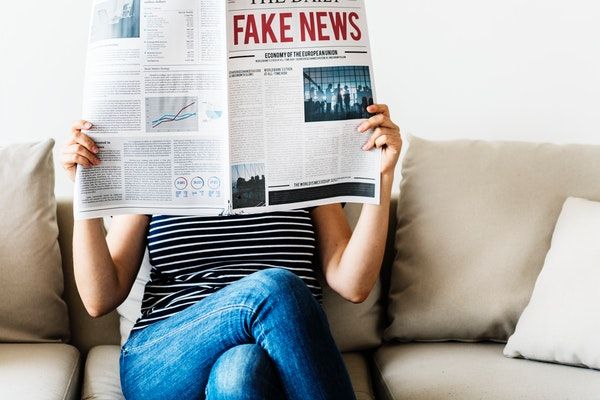
Booster vaccine for the misinformation virus
A team of researchers led by the University of Oxford (UK) developed the “psychological booster vaccine”: a specific memory technique to protect us or prevent us from being misled.
“Our research shows that, just as conventional booster vaccines enhance immunity, psychological booster vaccines can improve people’s resistance to misinformation over time,” said lead researcher Rakoen Maertens, from the Department of Experimental Psychology, in a press release. “By integrating memory reinforcement techniques into public education and digital literacy programmes, we can help people retain these critical skills for much longer.
Researchers conducted five large-scale experiments, testing three different types of intervention on more than 11,000 participants. Text-based advice, videos and interactive games were used to train participants to recognise manipulative content.
For the text-based intervention, study volunteers read a message explaining common techniques for communicating misinformation and disinformation. In the second intervention, they watched video clips about how emotionally manipulative rhetoric is used to mislead. In the third, participants played Bad News, a free online browser game. They took on the role of a fake news producer to find out how and why common methods of misinformation are used.
All interventions emphasised common tactics of communicating misinformation and disinformation, such as the use of emotive language to shape opinions or the use of confusing logic to make false claims appear persuasive.
Filtering out the false
“Importantly, the effects of the inoculation interventions were roughly the same for videos, games and text material,” explained Stephan Lewandowsky, co-author of the study and Professor of Cognitive Psychology at the University of Bristol, UK. “This makes it much easier to inoculate at scale, as well as in a wide variety of contexts, to enhance people’s ability to recognise when they are being misled.
After these interventions, people were better able to detect deceptive stories, but only for a limited time if they did not receive a remindere. This is where the reinforcers came in, in the form of brief summaries or reminders of what participants had previously learned. These “booster shots” honed skills in detecting and coping with misinformation and misinformation.
“This is the first study to systematically explore how long the effects of these modern inoculation interventions actually last, why they decay over time and, most importantly, how we can remedy their loss of efficacy,” Maertens told “CNN”.
More information: CORDIS
Publicaciones relacionadas:
 European Commission and national authorities take action to protect children from harmful practices in video games
 6 tips to spot and stop information manipulation
 Radicalisation in the EU: what is it? How can it be prevented?
 Foreign information manipulation and interference: Council approves conclusions stepping up EU’s engagement and ability to respond
 Cybersecurity: EU holds 8th dialogue with the United States
Leave a Reply