
A total of 23 members of an alleged betting syndicate have been arrested on suspicion of fixing football games in the Royal Spanish Football Federation, the Gibraltar National League and the Andorra League. Among those arrested are several footballers who are suspected of having used their position to steer the outcome of games in which they participated in.
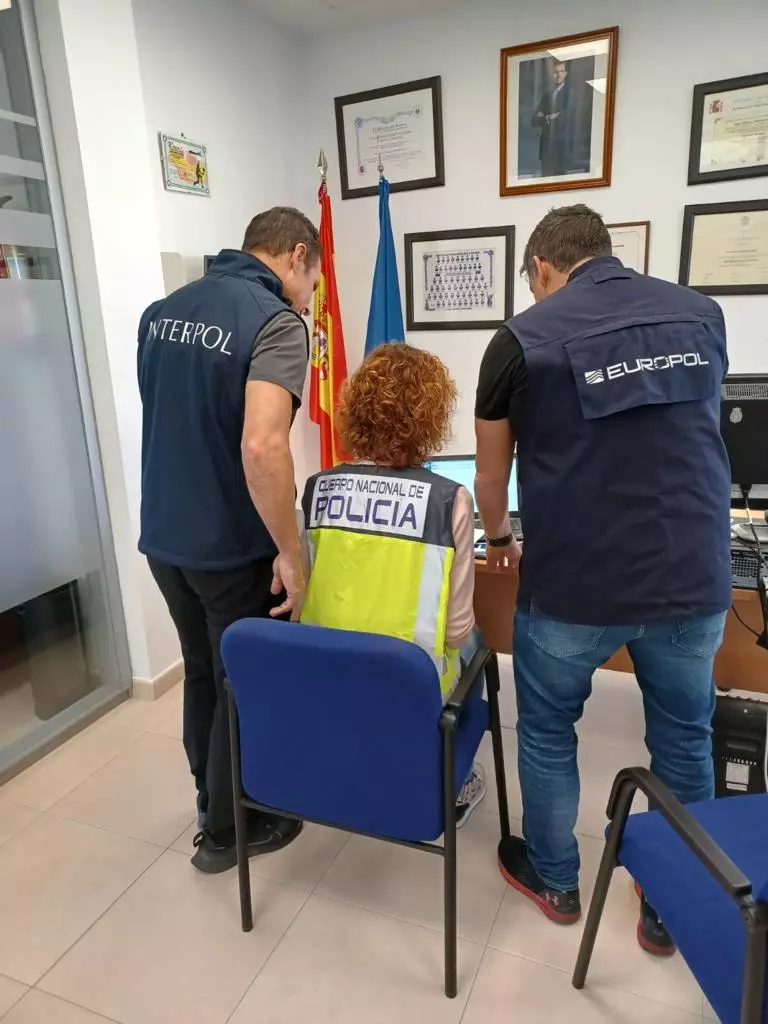
These arrests took place in November 2022 in several Spanish provinces – Badajoz, Cádiz, Ciudad Real, Córdoba, Tenerife and in the Autonomous City of Ceuta- and follow the arrest of 21 other members of the same criminal organisation in 2021.
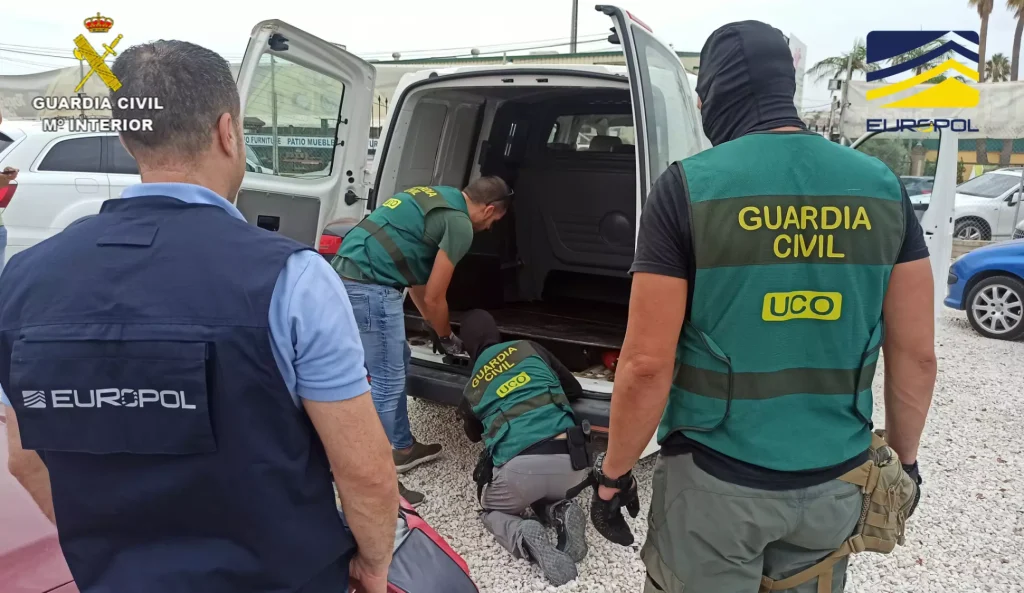
Known as Operation Conifera, this investigation into match-fixing was carried out by the Spanish National Police (Policía Nacional) in a joint operation with Europol and INTERPOL.
A total of thirty football matches are currently being investigated in this case. The profits generated are estimated at over half a million euros.
Inside the fixing
The investigators were able to uncover with Europol’s support how this betting syndicate operated.
The criminal organisation operated a top-down operational business model. At the top of the criminal structure were the two leaders of this criminal gang who had close connections with football players and backroom staff. The intermediaries were responsible for the coordination of the match-fixing schemes, while the corrupted athletes would provide confidential information in order to influence matches. This organised crime group also relied on mules who would place sports bets at bookmakers and collect the prize money, and a network of procurers responsible for providing identities for online betting on rigged matches. The procurers were paid between EUR 4 000 and EUR 24 000 per online account.
One of Europe’s biggest money launderers arrested in Spain
|
The criminals used encrypted means of communication in order to avoid police detection.
Europol and match-fixing
Europol’s support was central in the development of the Spanish investigation. Europol’s European Financial and Economic Crime Centre has been providing continuous intelligence development and analysis to map out the different targets and their criminal activity.
A specialised officer was deployed to Spain to provide on-the-spot operational and analytical support to the national investigators.
Europol has a team of experts working with law enforcement authorities across the EU to identify links between suspicious matches and suspects, and to uncover the organised crime groups orchestrating these multi-million euro frauds against sport.
Read Europol’s latest report on the role of organised crime in sports corruption.
Headquartered in The Hague, the Netherlands, Europol supports the 27 EU Member States in their fight against terrorism, cybercrime, and other serious and organised crime forms. Europol also works with many non-EU partner states and international organisations. From its various threat assessments to its intelligence-gathering and operational activities, Europol has the tools and resources it needs to do its part in making Europe safer.
Source: Press release – EUROPOL
Publicaciones relacionadas:
 Spain dismantle a terrorist organisation recruiting and indoctrinating women
 Spain and France arrest gang involved in trafficking and exploitation of South American victims
 Europol: European drug super-cartel smashed in six countries
 Operations co-funded by the EU lead to 197 arrests in Spain
 78 involved in large-scale cannabis trafficking arrested in Spain and Italy
Leave a Reply