• Skip to primary navigation
  • Skip to main content
  • Skip to primary sidebar
  • Skip to footer
  • Bluesky
  • Facebook
  • Instagram
  • Twitter
  • YouTube
CDE Almería – Centro de Documentación Europea – Universidad de Almería

CDE Almería - Centro de Documentación Europea - Universidad de Almería

Centro de Documentación Europea de la Universidad de Almería

  • HOME
  • WHAT´S ON
    • EU NEWS
    • Activities
    • EU Calls and Awards
    • Radio Program «Europe with You»
  • DOCUMENTATION
    • EU Media Collection
      • Web Space
      • MEDIATHEQUE REPOSITORY
  • Europe on the net
    • Institutions
    • EU Representation in Spain
    • European information network of Andalusia
  • ABOUT US
    • Presentation
    • Services
    • People
    • Contact
  • Spanish
  • English

Two years of the Digital Services Act ensuring safer online spaces

Inicio » Noticias UE » Defensa y Seguridad » Cybersecurity » Two years of the Digital Services Act ensuring safer online spaces

20 de February de 2026

Two years ago, the Digital Services Act (DSA) entered into force.

The DSA protects your fundamental rights online by regulating online services such as social media platforms, marketplaces, app stores, and online travel and accommodation services. Its goal has been to ensure a safer digital space by addressing issues like addictive design, illegal content, manipulative tactics, and more.
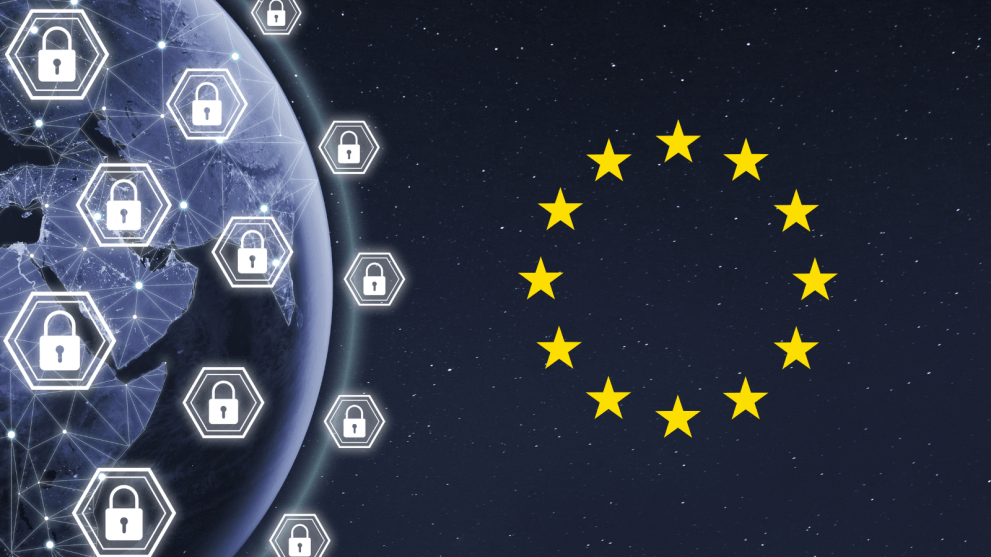
Since February 2024, the DSA applies to most platforms in the EU, except micro and small enterprises. Enforcement is shared between national authorities (Digital Services Coordinators) and the European Commission. The Commission oversees the largest platforms.

To ensure compliance, the Commission has opened several investigations. In some cases, they led platforms to make concrete changes. Some investigations are still ongoing. For example, the Commission recently launched an investigation into X and its deployment of Grok and extended its ongoing investigation into X’s recommender systems. It has also launched an investigation into Shein for its addictive design, lack of transparency and sale of illegal products.

In another case, the Commission preliminarily found TikTok’s addictive design in breach of the DSA. When this happens, the platform can defend itself. It can examine the investigation files and reply in writing before any final decision is taken. Large platforms that do not comply with the DSA may face fines of up to 6% of their global annual turnover. They may also be required to take corrective measures.

Through measures like the DSA, the EU is shaping Europe’s digital future. It is supporting, funding and regulating new technologies with a goal to strengthen democracy and make Europe more competitive and technologically independent.

For more information: European Commission

Publicaciones relacionadas:

European Commission and national authorities take action to protect children from harmful practices in video games 6 tips to spot and stop information manipulation Commission opens investigations to safeguard minors from pornographic content under the Digital Services Act protección de datosHow do we protect personal data? data protectionCommission presents Roadmap for law enforcement data access


Cybersecurity,  Defence & Security,  EU News app stores,  Digital Services Act,  European Commission,  European Union,  illegal content,  manipulative tactics,  News,  online services,  online travels,  social media

“This is a space for debate. All comments, for or against publication, that are respectful and do not contain expressions that are discriminatory, defamatory or contrary to current legislation will be published”.

Reader Interactions

Leave a Reply Cancel reply

Your email address will not be published. Required fields are marked *

This site uses Akismet to reduce spam. Learn how your comment data is processed.

Primary Sidebar

Footer

  • CDE Almería
  • Biblioteca Nicolás Salmerón – Universidad de Almería
  • Planta: 1ª, Despacho: 1.05.0B.
  • Ctra. Sacramento s/n. Almería (Spain)
  • Teléfono: (+34) 950 015266

HOME
NEWS
DOCUMENTATION
EUROPE ON THE NET
ABOUT US

  • LEGAL NOTICE
  • PRIVACY POLICY
  • COOKIE POLICY
  • ACCESSIBILITY
  • SITEMAP

Copyright © 2026 CDE Almería · Creative Commons LicenseThis work is licensed under a Creative Commons Attribution-NonCommercial 4.0 International License.

<p>El Centro de Documentación Europea de la Universidad de Almería utiliza cookies propias y de terceros para facilitar al usuario la navegación en su página Web y el acceso a los distintos contenidos alojados en la misma. Asimismo, se utilizan cookies analíticas de terceros para medir la interacción de los usuarios con el sitio Web. Pinche el siguiente enlace si desea información sobre el uso de cookies y como deshabilitarlas. </p>

Politica de privacidad

El Centro de Documentación Europea de la Universidad de Almería utiliza cookies propias y de terceros para facilitar al usuario la navegación en su página Web y el acceso a los distintos contenidos alojados en la misma. Asimismo, se utilizan cookies analíticas de terceros para medir la interacción de los usuarios con el sitio Web. Pinche el siguiente enlace si desea información sobre el uso de cookies y como deshabilitarlas. <a href="/politica-de-cookies" rel="noopener" target="_blank">Más información</a>

Cookies estrictamente necesarias

Las cookies estrictamente necesarias tiene que activarse siempre para que podamos guardar tus preferencias de ajustes de cookies.

Básicamente la web no funcionara bien si no las activas.

Estas cookies son:

  • Comprobación de inicio de sesión.
  • Cookies de seguridad.
  • Aceptación/rechazo previo de cookies.
Cookies de terceros

Esta web utiliza Google Analytics, Google Tag Manager y Yandex Metrika para recopilar información anónima tal como el número de visitantes del sitio, o las páginas más populares.

Dejar estas cookies activas nos permite mejorar nuestra web.

Política de cookies

Pinche el siguiente enlace si desea información sobre el uso de cookies y como deshabilitarlas. Más información