• Skip to primary navigation
  • Skip to main content
  • Skip to primary sidebar
  • Skip to footer
  • Bluesky
  • Facebook
  • Instagram
  • Twitter
  • YouTube
CDE Almería – Centro de Documentación Europea – Universidad de Almería

CDE Almería - Centro de Documentación Europea - Universidad de Almería

Centro de Documentación Europea de la Universidad de Almería

  • HOME
  • WHAT´S ON
    • EU NEWS
    • Activities
    • EU Calls and Awards
    • Radio Program «Europe with You»
  • DOCUMENTATION
    • EU Media Collection
      • Web Space
      • MEDIATHEQUE REPOSITORY
  • Europe on the net
    • Institutions
    • EU Representation in Spain
    • European information network of Andalusia
  • ABOUT US
    • Presentation
    • Services
    • People
    • Contact
  • Spanish
  • English

State of the Union (SOTEU) address 2025

Inicio » EU News » Speech » State of the Union (SOTEU) address 2025

9 de September de 2025

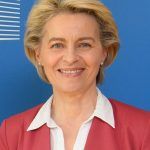
On 10 September, the President of the European Commission, Ursula von der Leyen, will deliver the State of the Union address.
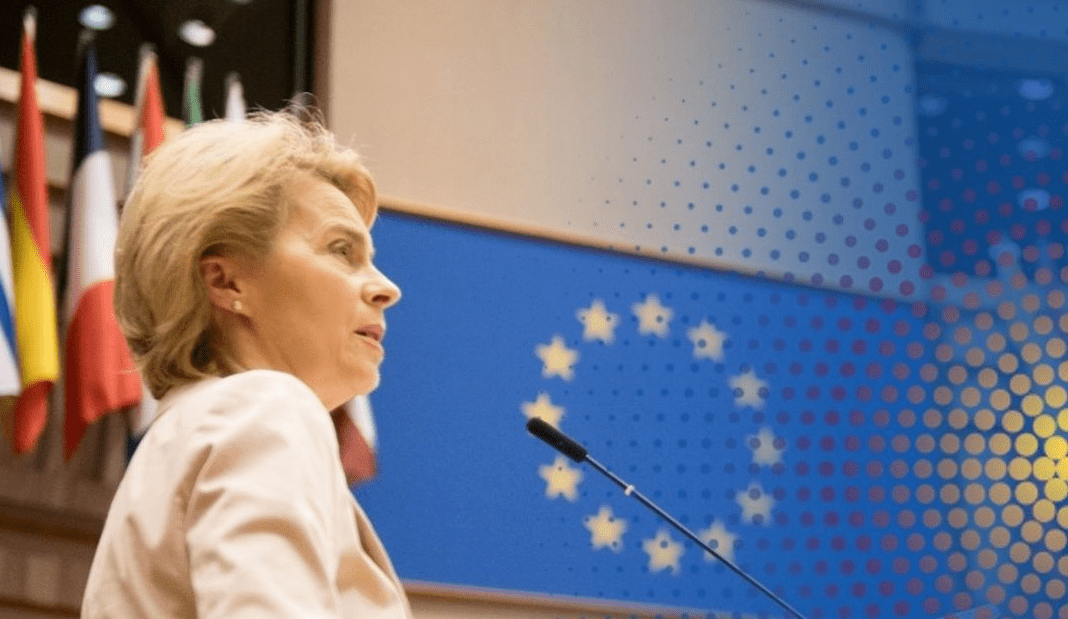
SOTEU Ursula Von der Leyen Europa

The State of the Union address (SOTEU) is the annual speech in which the President of the European Commission sets out her priorities for the Union for the coming year before the European Parliament. It is a key moment in EU democracy, an opportunity to:

  • reflect on the past year;
  • highlight the EU’s priorities;
  • announce new initiatives.

The speech is followed by a debate with Members of the European Parliament, which reinforces accountability. Each State of the Union address sets out the President’s vision and key initiatives for the coming year, making it an important moment for shaping the direction of the EU and responding to citizens’ expectations.

From election to action: how the EU is tackling today’s challenges

In June 2024, nearly 200 million Europeans voted in the European elections: the highest turnout in 20 years. This showed that citizens care about the EU and want it to respond to today’s most important challenges: peace and security in light of Russia’s war against Ukraine, the rising cost of living, energy and housing pressures, climate change and global competition in the field of new technologies.

Since December 2024, the new European Commission has focused on making Europe stronger and more resilient. It is boosting the economy, investing in skills and housing, ensuring affordable energy, and supporting innovation in areas such as clean technologies and artificial intelligence (AI). At the same time, the EU is strengthening global partnerships, taking greater responsibility for its own defence, and standing firmly with Ukraine. Looking ahead, the modernised EU budget applicable from 2028 will provide the flexibility and ambition needed to tackle future crises. Europe’s strength lies in unity: together, we can meet the challenges ahead.

More information: European Commission

Publicaciones relacionadas:
Ursula von der LeyenPresident Ursula von der Leyen in Uzbekistan to take the EU-Central Asia partnership to the next level Statement by President von der Leyen on the announcement of universal tariffs by the US The sports world turns out to celebrate Europe Day Statement by President Von der Ley at the 4th International Conference on Financing for Development Special Address by President von der Leyen at the World Economic Forum

EU News,  Speech address,  European Commission,  European Parliament,  European Union,  News,  SOTEU,  speech,  state of the union,  Ursula von der Leyen

“This is a space for debate. All comments, for or against publication, that are respectful and do not contain expressions that are discriminatory, defamatory or contrary to current legislation will be published”.

Reader Interactions

Leave a Reply Cancel reply

Your email address will not be published. Required fields are marked *

This site uses Akismet to reduce spam. Learn how your comment data is processed.

Primary Sidebar

Footer

  • CDE Almería
  • Biblioteca Nicolás Salmerón – Universidad de Almería
  • Planta: 1ª, Despacho: 1.05.0B.
  • Ctra. Sacramento s/n. Almería (Spain)
  • Teléfono: (+34) 950 015266

HOME
NEWS
DOCUMENTATION
EUROPE ON THE NET
ABOUT US

  • LEGAL NOTICE
  • PRIVACY POLICY
  • COOKIE POLICY
  • ACCESSIBILITY
  • SITEMAP

Copyright © 2026 CDE Almería · Creative Commons LicenseThis work is licensed under a Creative Commons Attribution-NonCommercial 4.0 International License.

<p>El Centro de Documentación Europea de la Universidad de Almería utiliza cookies propias y de terceros para facilitar al usuario la navegación en su página Web y el acceso a los distintos contenidos alojados en la misma. Asimismo, se utilizan cookies analíticas de terceros para medir la interacción de los usuarios con el sitio Web. Pinche el siguiente enlace si desea información sobre el uso de cookies y como deshabilitarlas. </p>

Politica de privacidad

El Centro de Documentación Europea de la Universidad de Almería utiliza cookies propias y de terceros para facilitar al usuario la navegación en su página Web y el acceso a los distintos contenidos alojados en la misma. Asimismo, se utilizan cookies analíticas de terceros para medir la interacción de los usuarios con el sitio Web. Pinche el siguiente enlace si desea información sobre el uso de cookies y como deshabilitarlas. <a href="/politica-de-cookies" rel="noopener" target="_blank">Más información</a>

Cookies estrictamente necesarias

Las cookies estrictamente necesarias tiene que activarse siempre para que podamos guardar tus preferencias de ajustes de cookies.

Básicamente la web no funcionara bien si no las activas.

Estas cookies son:

  • Comprobación de inicio de sesión.
  • Cookies de seguridad.
  • Aceptación/rechazo previo de cookies.
Cookies de terceros

Esta web utiliza Google Analytics, Google Tag Manager y Yandex Metrika para recopilar información anónima tal como el número de visitantes del sitio, o las páginas más populares.

Dejar estas cookies activas nos permite mejorar nuestra web.

Política de cookies

Pinche el siguiente enlace si desea información sobre el uso de cookies y como deshabilitarlas. Más información