• Skip to primary navigation
  • Skip to main content
  • Skip to primary sidebar
  • Skip to footer
  • Bluesky
  • Facebook
  • Instagram
  • Twitter
  • YouTube
CDE Almería – Centro de Documentación Europea – Universidad de Almería

CDE Almería - Centro de Documentación Europea - Universidad de Almería

Centro de Documentación Europea de la Universidad de Almería

  • HOME
  • WHAT´S ON
    • EU NEWS
    • Activities
    • EU Calls and Awards
    • Radio Program «Europe with You»
  • DOCUMENTATION
    • EU Media Collection
      • Web Space
      • MEDIATHEQUE REPOSITORY
  • Europe on the net
    • Institutions
    • EU Representation in Spain
    • European information network of Andalusia
  • ABOUT US
    • Presentation
    • Services
    • People
    • Contact
  • Spanish
  • English

According to the EEA, many of the returned and unsold garments end up being destroyed in Europe.

Inicio » Noticias UE » Environmental Affairs » According to the EEA, many of the returned and unsold garments end up being destroyed in Europe.

11 de April de 2024

Textile consumption in Europe causes significant pressures on the environment and climate. Part of these pressures comes from returned and unsold textiles that are destroyed and never used for their intended purpose. A new European Environment Agency (EEA) briefing looks at the issue and estimates the share of returned and unsold textiles that are destroyed in Europe and options to address this challenge.
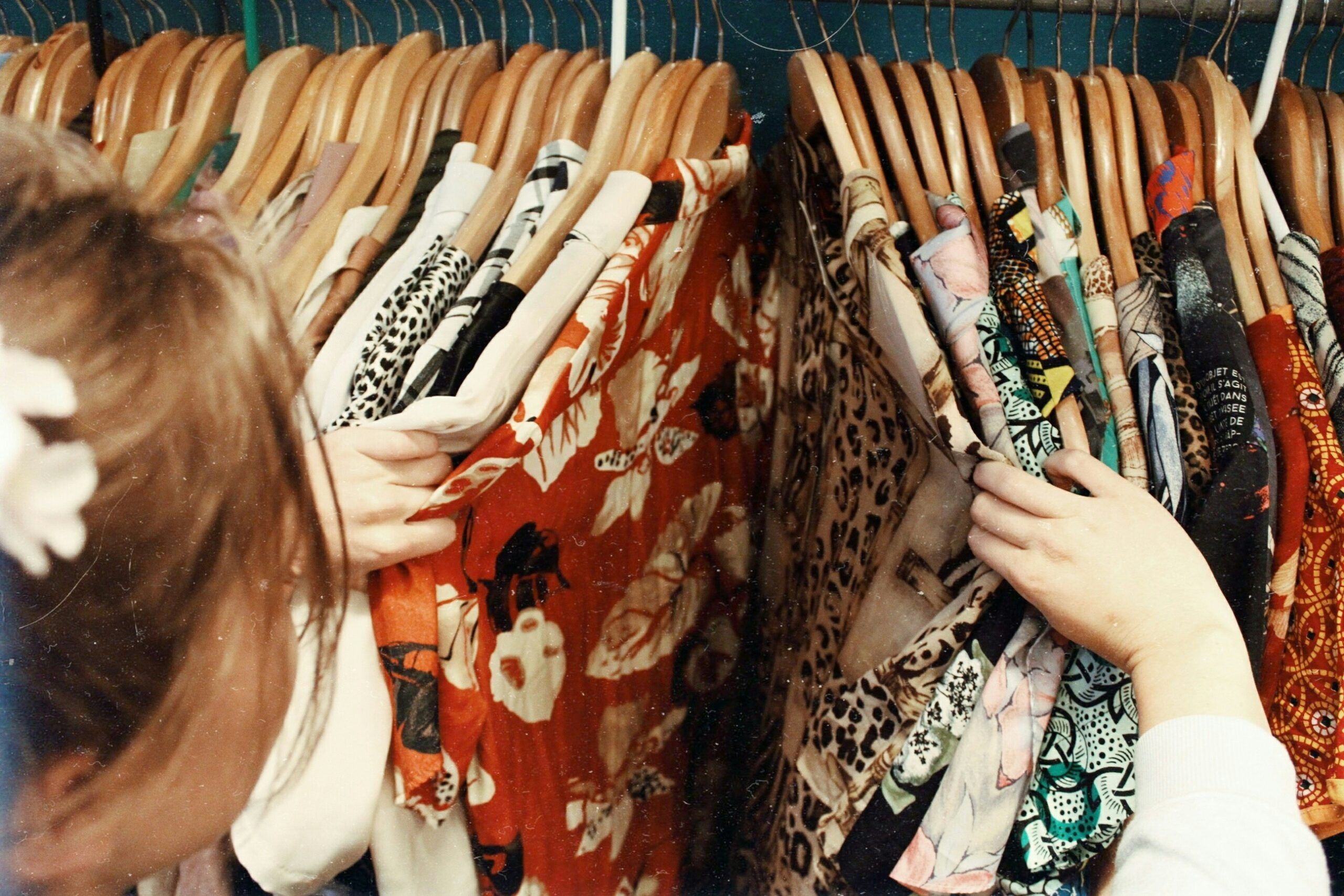


The EEA briefing ‘The destruction of returned and unsold textiles in Europe’s circular economy’ provides an overview of existing knowledge on returned and unsold textiles in Europe. The briefing is underpinned by a technical report by the EEA’s European Topic Centre on Circular Economy and Resource Use.


Although data are scattered, best available evidence suggests that around 4-9% of all textile products put on the European market are destroyed without ever being used for their intended purpose. According to the EEA briefing, processing and destructing returned or unsold textiles can be estimated to be responsible for up to 5,6 million tonnes of CO2-equivalent greenhouse gas emissions, a figure that is slightly lower that Sweden’s net emissions in 2021.
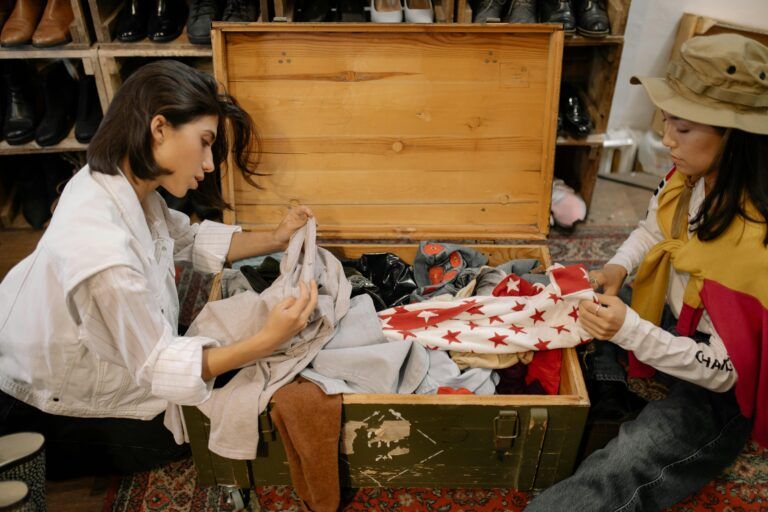
 

Moda re-: promoting sustainable and solidarity-based consumption with EU funding


Recent studies indicate that about 20% of clothing and 30% of footwear, bought online in the EU, are returned by customers. About 70% of these returns are caused by poor fit or style. However, the EEA briefing notes that only about 3% of the environmentally harmful emissions from textiles come from distribution and retail, which means that even a long and complicated return process is most likely beneficial for the environment, if it leads to the product being resold and used.

The EEA briefing states that both regulation and targeted policies, as well as soft information measures, are needed to reduce customer returns and unsold goods. At the same time, addressing the systemic problem of overproduction and destruction in the textiles industry is needed and could be tackled with both circular business models and policies. A positive step has been recently taken with the EU agreement to ban the destruction of unsold apparel, clothing accessories and footwear (with certain exemptions for small, micro and medium sized companies), as part of the Ecodesign ´Sustainable Products Regulation´.

The EEA and its European Topic Centre on Circular Economy and Resource Use (ETC CE) have previously published several products addressing textiles in Europe’s circular economy, including on textiles and the environment, design for circularity, microplastic from textiles consumption, exports of used textiles, and bio-based textiles.

More Information: European Environment Agency

Publicaciones relacionadas:

Complex network of European and global developments impacts sustainability Europe’s resilience: halting biodiversity loss and building a healthy and sustainable food system Air pollution affects brain development Car emissions: MEPs set end on gap between lab and real driving emission tests EU opens consultation on the future of the Arctic




Environmental Affairs,  EU News CircularEconomyEU,  Environment,  ModaResponsable,  ResponsibleFashion,  reuse,  Textile

“This is a space for debate. All comments, for or against publication, that are respectful and do not contain expressions that are discriminatory, defamatory or contrary to current legislation will be published”.

Reader Interactions

Leave a Reply Cancel reply

Your email address will not be published. Required fields are marked *

This site uses Akismet to reduce spam. Learn how your comment data is processed.

Primary Sidebar

Footer

  • CDE Almería
  • Biblioteca Nicolás Salmerón – Universidad de Almería
  • Planta: 1ª, Despacho: 1.05.0B.
  • Ctra. Sacramento s/n. Almería (Spain)
  • Teléfono: (+34) 950 015266

HOME
NEWS
DOCUMENTATION
EUROPE ON THE NET
ABOUT US

  • LEGAL NOTICE
  • PRIVACY POLICY
  • COOKIE POLICY
  • ACCESSIBILITY
  • SITEMAP

Copyright © 2026 CDE Almería · Creative Commons LicenseThis work is licensed under a Creative Commons Attribution-NonCommercial 4.0 International License.

<p>El Centro de Documentación Europea de la Universidad de Almería utiliza cookies propias y de terceros para facilitar al usuario la navegación en su página Web y el acceso a los distintos contenidos alojados en la misma. Asimismo, se utilizan cookies analíticas de terceros para medir la interacción de los usuarios con el sitio Web. Pinche el siguiente enlace si desea información sobre el uso de cookies y como deshabilitarlas. </p>

Politica de privacidad

El Centro de Documentación Europea de la Universidad de Almería utiliza cookies propias y de terceros para facilitar al usuario la navegación en su página Web y el acceso a los distintos contenidos alojados en la misma. Asimismo, se utilizan cookies analíticas de terceros para medir la interacción de los usuarios con el sitio Web. Pinche el siguiente enlace si desea información sobre el uso de cookies y como deshabilitarlas. <a href="/politica-de-cookies" rel="noopener" target="_blank">Más información</a>

Cookies estrictamente necesarias

Las cookies estrictamente necesarias tiene que activarse siempre para que podamos guardar tus preferencias de ajustes de cookies.

Básicamente la web no funcionara bien si no las activas.

Estas cookies son:

  • Comprobación de inicio de sesión.
  • Cookies de seguridad.
  • Aceptación/rechazo previo de cookies.
Cookies de terceros

Esta web utiliza Google Analytics, Google Tag Manager y Yandex Metrika para recopilar información anónima tal como el número de visitantes del sitio, o las páginas más populares.

Dejar estas cookies activas nos permite mejorar nuestra web.

Política de cookies

Pinche el siguiente enlace si desea información sobre el uso de cookies y como deshabilitarlas. Más información