
In a report adopted on Wednesday, Parliament highlights the EU’s security and defence partnerships as key to responding effectively to emerging threats and to enhancing the EU’s global role.
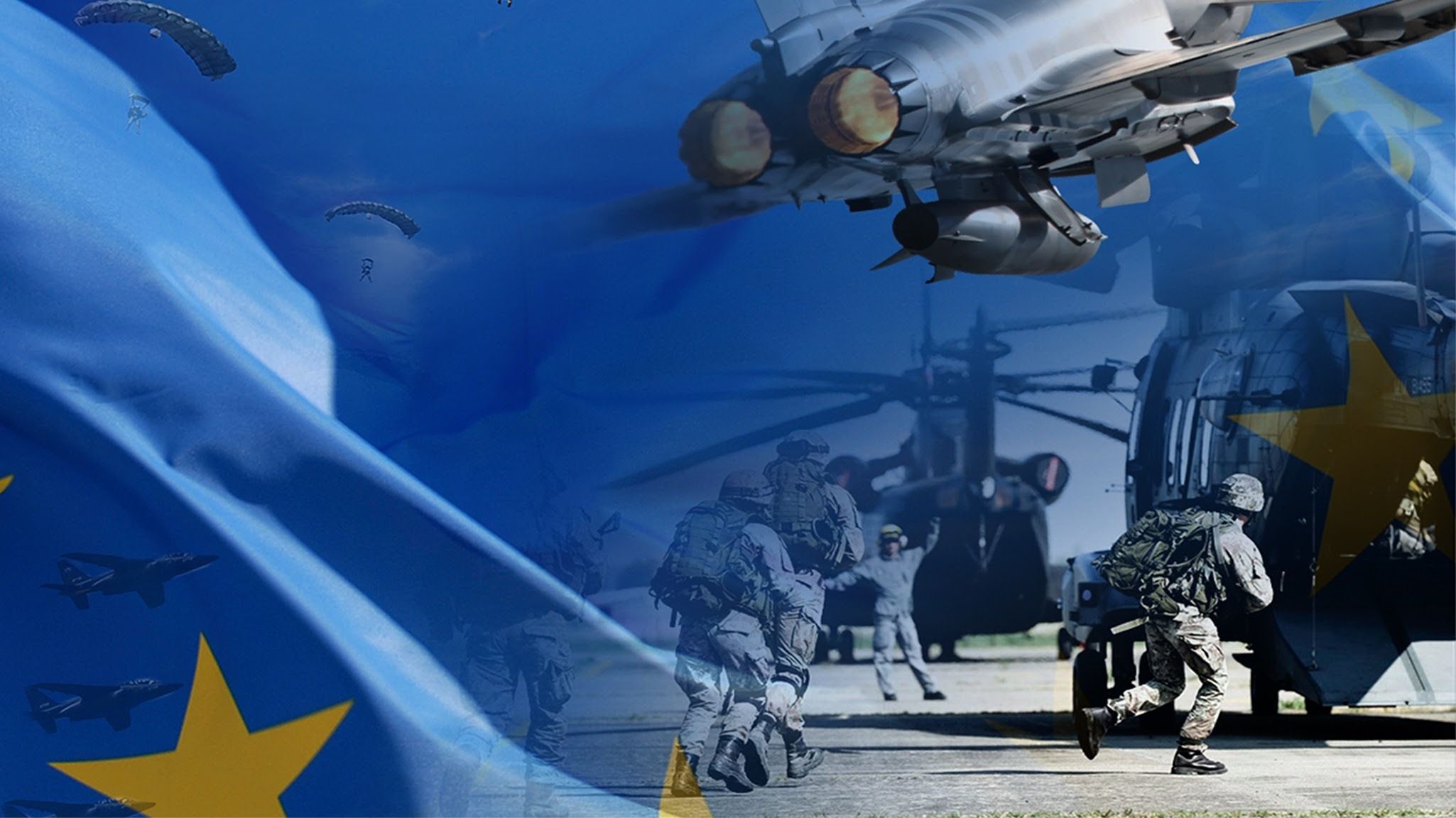
The text, prepared by the Security and Defence Committee, argues that the EU’s security and defence partnerships (SDPs) – which seek to bolster joint efforts in security and defence between the EU and key bilateral partners – are essential to respond effectively to current and future security threats and to strengthen the Union’s role as a global strategic actor. Parliament considers these partnerships a necessity rather than an option, as they support the EU’s strategic autonomy while remaining fully complementary to NATO and grounded in multilateral cooperation.
The text stresses that the EU is facing its most serious security situation since the Second World War, driven primarily by Russia’s war of aggression against Ukraine, but also by broader hybrid threats, terrorism, cyberattacks, and risks linked to critical infrastructure, as well as those linked to climate change. Russia, supported by partners such as Iran, North Korea and Belarus, is identified as the main threat to European security, while China is described as a strategic competitor whose support for Russia requires the EU to reassess economic relations and strengthen resilience vis-à-vis Beijing.
NATO remains the cornerstone of collective defence
MEPs also stress the need for closer EU–NATO cooperation, reaffirming NATO as the cornerstone of collective defence, while also calling for a stronger EU defence pillar to enable the EU to act autonomously if necessary. They underline the importance of interoperable military capabilities across Europe, as well as that of joint procurement, industrial cooperation, standardisation, and alignment with NATO planning to avoid duplication and improve readiness.
The report welcomes the expansion of SDPs with like-minded EU partners, including NATO allies such as Norway, the United Kingdom and Canada, as well as other partners in Europe and in the Indo-Pacific. Particular emphasis is placed on Ukraine as a strategic priority partner, with MEPs calling for sustained military, industrial and political support for Kyiv, security guarantees, and the use of frozen Russian assets to reconstruct Ukraine in line with international law. They propose to formalise a strategic partnership with Ukraine.
Quote
“Never in the history of the EU have we faced greater security challenges or greater uncertainty. In this volatile security environment, we need to respond with strength – we need defence partnerships to build spheres of common interest against spheres of influence and imperial actions. This report is opening a new chapter for expanded and enhanced EU partnerships. In deterring Russian imperialism, the EU has no greater, no more important partner than Ukraine. Ukrainians have not only been defending the EU, but have also built the most battle-hardened, effective, and innovative military force in Europe. It is in the EU’s fundamental interest to deepen our partnership with Ukraine, including in the defence industry and in innovation. Support for Ukraine is the bedrock of EU defence. The strategic reorientation of the US means that Member States need to invest more and close critical capability gaps, deepening defence cooperation with other NATO countries like the UK, Norway, and Canada. Real strategic autonomy depends on partnerships that help deliver concrete capabilities, interoperability, deterrence, and resilience”, said rapporteur Michal Szczerba (EPP, Poland) after the vote.
The text was approved by 440 votes in favour, 119 against and 85 abstentions.
More information: European Parliament
Publicaciones relacionadas:
 Commission presents action plan to counter drone threats
 European citizens want the EU to protect them and to act as one
 Agreement reached to suspend visa-free travel over security and rights concerns
EU backs measures to boost security and defence investments
Agreement reached to suspend visa-free travel over security and rights concerns
EU backs measures to boost security and defence investments
 EU backs reinforced Europol role on migrant smuggling and trafficking
Leave a Reply