
On Tuesday, MEPs gave their green light to an extraordinary loan of up to €35 billion to Ukraine, to be repaid with future revenues from frozen Russian assets.
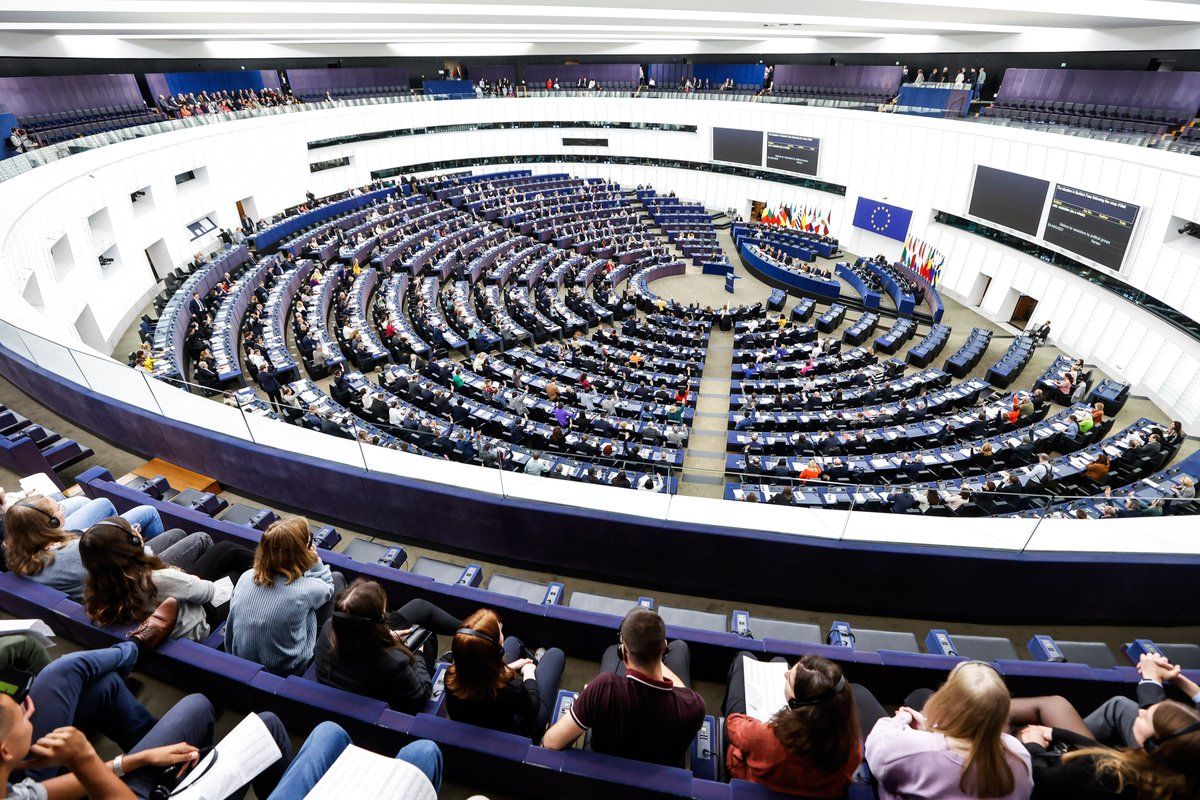
With 518 votes in favour, 56 against and 61 abstentions, Parliament endorsed the new macro-financial assistance (MFA) to help Ukraine against Russia’s brutal war of aggression. This loan is the EU’s part of a G7 package agreed last June, to provide up to $50 billion (approximately €45 billion) in financial support to Ukraine. The final amount that the EU will contribute could be lower, depending on the size of the loans provided by other G7 partners.
The Ukraine Loan Cooperation Mechanism, a newly established framework, will make future revenues from the frozen Russian Central Bank assets located in the EU available to Ukraine. These funds will help Ukraine service and repay the EU’s MFA loan as well as loans from other G7 partners. While the mechanism’s funds can be used to service and repay loans, Kyiv may allocate the MFA funds as it sees fit.
The new MFA funds will be disbursed until the end of 2025. The loan is conditional upon Ukraine’s continued commitment to uphold effective democratic mechanisms, respect human rights, and further policy conditions to be set out in a memorandum of understanding. Additionally, the management and control systems outlined in the Ukraine Plan, along with specific measures to prevent fraud and other irregularities, will apply to the MFA loan.
Quote
“Ukraine continues to resist Russian aggression, with its brave citizens fighting not only for their own existence and freedom, but to defend democracy, human rights, freedom, and international law for all of us. The need for financial support is both immense and urgent. Russia must pay for attacking Ukrainians and brutally destroying the country’s infrastructure, cities, villages, and homes. The burden of rebuilding Ukraine will be shouldered by those responsible for its destruction, namely Russia,” rapporteur Karin Karlsbro (Renew, SE) said.
Next steps
EU governments already endorsed the proposal, and the Council plans to adopt the regulation by written procedure after Parliament’s vote. The regulation will enter into force on the day after its publication in the Official Journal of the EU.
Background
In September, the Commission announced a €35 billion EU loan for Ukraine as part of a plan by G7 partners to issue loans of up to $50 billion (about €45 billion). Future revenues coming from the frozen Russian state assets would finance the loans. Approximately €210 billion in assets from the Central Bank of Russia are held in the EU and remain frozen under sanctions imposed over Moscow’s invasion of Ukraine in February 2022. EU governments decided to set aside the profits from these assets, and use them to support both military efforts and reconstruction in Ukraine.
Further information: European Parliament
Publicaciones relacionadas:
 Instant payments: Council and Parliament reach provisional agreement
 EU expands scope of sanctions against Iran
 Coronavirus Global Response: €7.4 billion raised for universal access to vaccines
 Economic and Investment Plan to support the economic recovery and convergence of the Western Balkans
 Commission disburses €17 billion under SURE to Italy, Spain and Poland
Leave a Reply