
From terrorist attacks, border incidents and large-scale accidents to floods and fires: responding to cross-border emergencies requires agile and fluid teamwork and reliable communication. The European Union Critical Communications System (EUCCS) is a key initiative for achieving a safer and better-connected Europe in emergency situations. It will integrate the communication systems used by emergency services in the EU and the Schengen area, including law enforcement, fire and medical emergency services. This summer, the Commission plans to propose legislation to establish the EUCCS, as announced in the work programme. Technical work has been ongoing for many years to make this system operational.
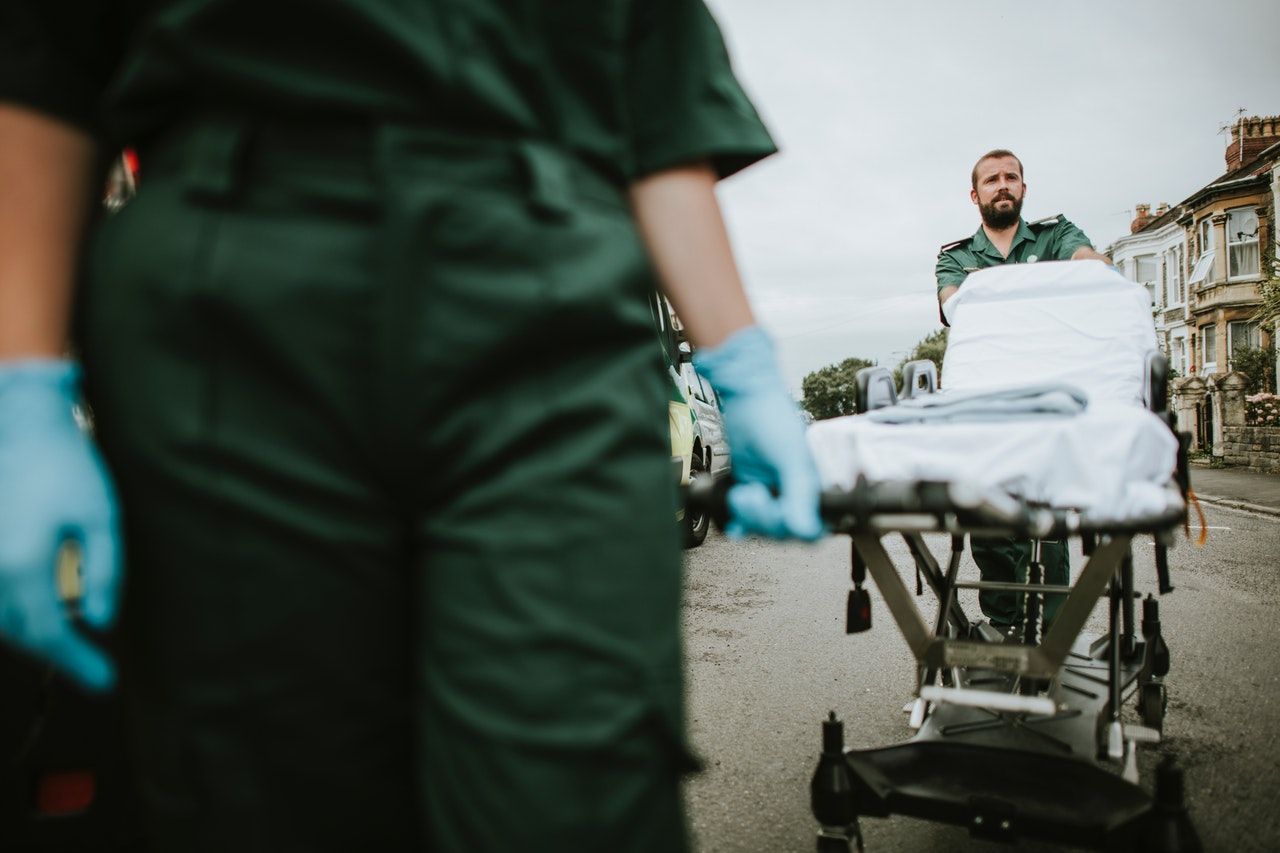
The initiative builds on EU-funded projects, the most recent of which is the EUCCS Readiness Project, funded by the ISF. This project will establish a modern and reliable European critical communication system that will help those who keep us safe. Police, firefighters, medical teams and other emergency services will be able to carry out complex missions wherever they are, whenever they need to and in mutual cooperation.
Currently, Member States use emergency communication systems that do not work in the territory of other Member States. When crossing an internal border in the EU and the Schengen area, emergency services communication stops working. This complicates international collaboration during daily operations, and even more so during disasters and serious incidents. The EUCCS Readiness Project brings together experts from EU Member States and Schengen countries to test new technologies, working methods and shared procedures. This could facilitate smoother cooperation and create a more resilient system that emergency services can rely on in the future.
The EUCCS is therefore part of the European Union’s plans to strengthen cooperation, resilience and protection for all citizens. The project is currently in the active testing phase. One of thelatest testswas carried out in Italy, where teams from different countries and services simulated realistic scenarios, such as the interception of a boat and multiple emergencies, to assess how new mobile communication tools facilitate real-time collaboration. This exercise showed what works in teamwork and technology, as well as areas where procedures can be improved, providing practical information on how response teams communicate under pressure.
More information: European Commission.
Publicaciones relacionadas:
 Doping Trafficking Ring with Professional Athletes Dismantled in Italy
 EU backs reinforced Europol role on migrant smuggling and trafficking
 Commission moves towards ‘Military Schengen’ and transformation of defence industry
 European Defence Fund: €1 billion to boost the EU’s defence capabilities
 Eurobarometer results 2022
Leave a Reply