
-
Investment to boost production capacity in Europe and increase autonomy
-
“Buy European” to support production
-
Promoting joint public procurement between Member States
-
Drug shortages are often due to production difficulties
-
The regulation will cover antibiotics, insulin, vaccines and medicines for chronic diseases
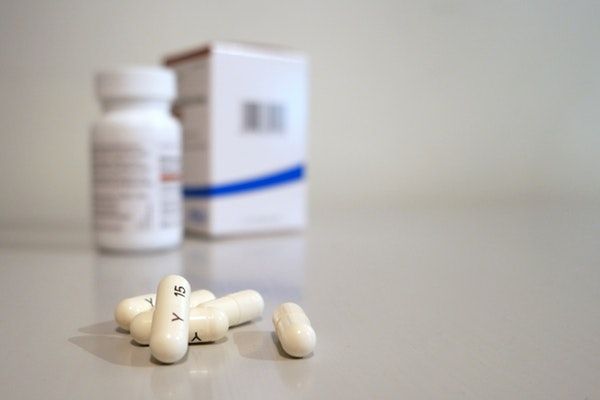
Parliament adopted proposals to improve the availability and supply of essential medicines in the EU.
The report, approved by 503 votes in favour, 57 against and 108 abstentions, aims to ensure a high level of public health protection for EU citizens by reducing European dependence on other countries and increasing the competitiveness of its pharmaceutical sector.
Strategic projects and priority funding
MEPs support the creation of industrial ‘strategic projects’ in the EU to create, modernise and improve manufacturing capacity. The text argues that Member States and the EU should prioritise financial support for strategic projects in the current budget and the next EU Multiannual Financial Framework. Companies benefiting from public funds will have to comply with clear obligations, such as prioritising supply to the EU market.
Public procurement policy to boost European production
According to the EP’s proposals, the competent authorities in the EU should apply public procurement requirements to favour producers who manufacture a significant proportion of these critical medicines in the EU.
The report also highlights the benefits of voluntary cross-border public procurement to improve the supply of medicines, in particular for rare diseases, antimicrobials and other innovative, high-cost or specialised treatments. MEPs want to reduce the number of countries that can participate in joint procurement procedures to a minimum of five (compared to nine in the Commission’s initial proposal).
Improving the coordination of national reserves
To better anticipate and manage shortages, MEPs are calling for the creation of an EU coordination mechanism for national reserves and contingency stocks of critical medicines. They also want the European Commission to be able to decide, as a last resort, to redistribute medicines from a national reserve to other countries in cases where a shortage or supply disruption has been detected.
Statement by the rapporteur
Tomislav Sokol (EPP, Croatia) said: “Today we have agreed on clear priorities: coordinating national and contingency stocks, strengthening the competitiveness of the EU pharmaceutical industry and combating medicine shortages by ensuring accessibility and availability for EU patients. We have also established a clear and firm principle for public procurement: price can no longer be the sole criterion when awarding contracts for medicines. Security of supply, resilience of production chains and manufacturing capacity within the EU must be taken into account. This ‘buy European’ approach ensures that public procurement supports reliable suppliers, strengthens EU-based medicine production and contributes to long-term security of supply.”
Next steps
Following the plenary’s approval, Parliament can now start negotiations with Member States on the final wording of the rule.
Background
In March 2025, the Commission presented a proposal for a regulation on essential medicines, such as antibiotics, insulin, vaccines and medicines for chronic diseases, with the aim of strengthening their availability in the EU. The proposal also seeks to improve access to certain medicines of common interest that face market failures. More than 50% of medicine shortages are due to manufacturing problems, including a lack of active ingredients.
More information: European Parliament.
Publicaciones relacionadas:
 Parliament calls for the EU to continue taking action to combat cancer
 The Commission welcomes the political agreement on the Critical Medicines Act
 The Commission announces new global health commitments at the ‘One Health’ Summit
 Autumn vaccination campaigns targeting the elderly and other high-risk groups will be key to reducing the impact of COVID-19
 European Commission steps up action to tackle critical shortages of medicines and strengthen security of supply in the EU
Leave a Reply