
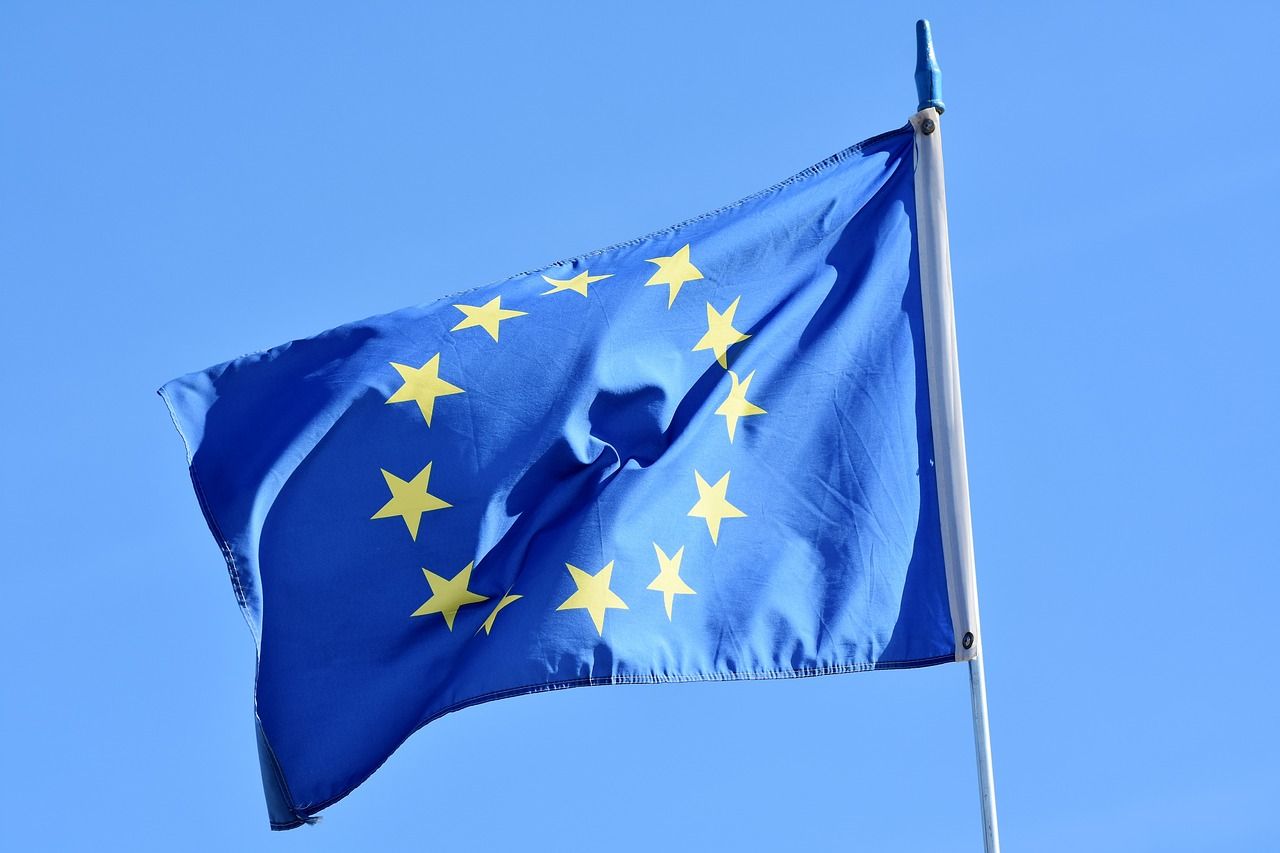
At the European Council meeting held in Brussels, the President of the European Commission, the President of the European Parliament and the President of the Republic of Cyprus, on behalf of the rotating Presidency of the Council of the European Union, signed a joint declarationentitled ‘Europe for culture, culture for Europe’. The declaration sets out their shared political commitment to protecting, promoting and supporting culture in Europe.
Europe for Culture
In their joint declaration, the three EU institutions reaffirm the EU’s role in safeguarding cultural and linguistic diversity and in integrating cultural considerations into all EU policies, whilst respecting national competences.
The institutions expressed their commitment to placing culture at the heart of the European project, by protecting and promoting artistic freedom, cultural diversity, inclusion and fair conditions for artists. They also pledged to support the cultural and creative sectors by fostering funding, innovation and capacity-building, as well as by promoting Europe’s role as a global cultural and creative leader.
Culture for Europe
The joint declaration also recognises the immense benefits that Europe’s cultural and creative sectors bring in terms of fostering a shared European identity, upholding the EU’s fundamental values such as freedom, equality and respect for human rights, and boosting the EU’s competitiveness.
The signatories recognise the vital role that culture plays in addressing contemporary challenges, such as geopolitical tensions, climate change, the digital transition, social inequality and the mental health crisis. They also highlight the contribution of the cultural and creative sectors to economic growth, innovation, territorial cohesion and environmental sustainability.
Twelve fundamental principles
The commitments set out in the declaration are organised around twelve general principles. Some of these principles focus on supporting artists and cultural professionals and include pledges to protect freedom of artistic expression, promote fair remuneration and decent working conditions, whilst respecting the role and autonomy of the social partners, and to promote an ethical, people-centred and human rights-based approach to the use of artificial intelligence.
Other principles in the joint declaration aim to promote greater access to culture and to cultural and creative professions, particularly for young people, vulnerable or marginalised individuals. These include commitments to improve inclusive access to culture, promote arts education and strengthen support for young artists and those from disadvantaged backgrounds.
The declaration highlights the social and environmental benefits of culture. These are reflected in commitments to promote the positive effects of culture on health and well-being, to harness its potential to drive regional development – including through sustainable tourism – and to emphasise the importance of culture in policy responses to environmental challenges.
The declaration also seeks to promote the EU’s cultural and linguistic diversity. Furthermore, the three institutions are committed to protecting Europe’s cultural heritage, including through the use of digital technologies to promote its preservation.
More information: European Commission.
Publicaciones relacionadas:
 EU celebrates International Mother Language Day, enhancing its commitment to linguistic diversity
 Commission gives young people a stronger voice in EU policymaking as a legacy of the European Year of Youth
 Lorenzo Natali Media Prize 2022
 Commission sets out concrete actions for greater involvement of social partners at national and EU level
 Eurobarometer: TV still main source for news but social media is gaining ground
Leave a Reply