
The European Commission and Vietnam’s Ministry of Science and Technology have signed a letter of intent to strengthen cooperation in science, technology and innovation. This initiative is expected to deepen collaboration between researchers, universities, start-ups, industry and public institutions.
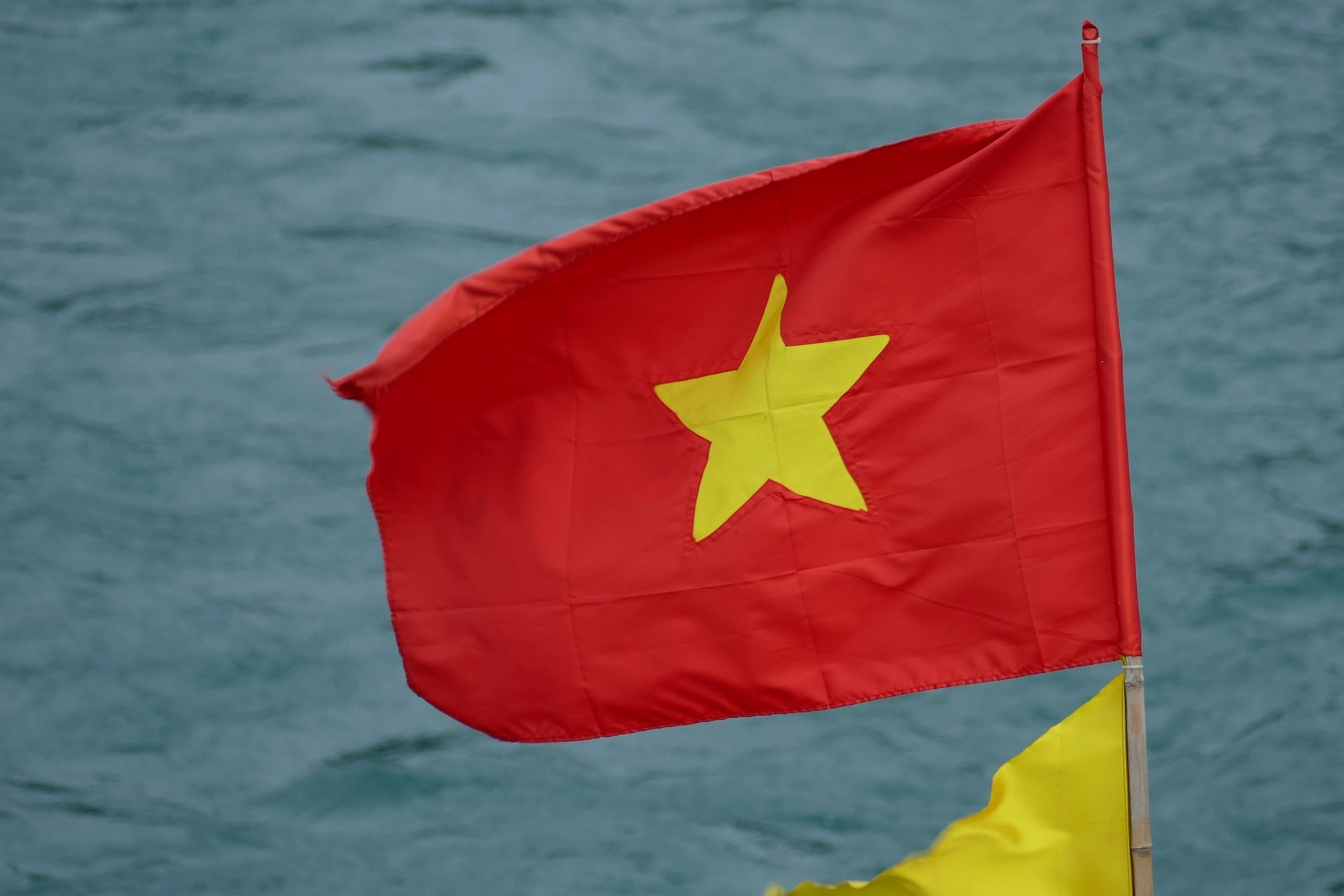
Signed during Commissioner Ekaterina Zaharieva’s mission to Hanoi, the letter of intent forms part of the recently concluded Comprehensive Strategic Partnership between the European Union and Vietnam. The letter also reflects the shared ambition to consolidate science, technology and innovation as fundamental pillars of cooperation and to boost competitiveness, resilience and sustainable growth in the future.
Ekaterina Zaharieva, European Commissioner for Start-ups, Research and Innovation, said:“Vietnam’s scientific and engineering talent complements the EU’s scientific excellence, innovation ecosystem and capacity to transfer research to the market, making this a mutually beneficial partnership. As we celebrate 35 years of relations between the EU and Vietnam, we look to the future with a view to deepening strategic cooperation in AI, green technologies and digital transformation.”
From cooperation to stronger innovation ecosystems
Vietnam is already actively participating in Horizon Europe, with researchers and organisations contributing to collaborative projects in areas such as digital technologies, health and green innovation. The letter of intent aims to strengthen cooperation through greater researcher mobility, knowledge exchange, innovation partnerships and closer links between research and industry.
Background
The European Union and Vietnam recently elevated their relationship to a Comprehensive Strategic Partnership, the first of its kind between the EU and an ASEAN country. Vietnam is the EU’s main trading partner in Southeast Asia and one of the region’s fastest-growing economies.
Vietnam is already participating in Horizon Europe, with 32 projects and 29 grants signed involving Vietnamese organisations and researchers.
More information: European Commission.
Publicaciones relacionadas:
 Europe-Japan cooperation in AI-based manufacturing technologies
 The Commission proposes a free and secure data circulation zone between the EU and Brazil
 New strategy to strengthen prosperity and security with India
 The first EU-Egypt summit will be held in Brussels on 22 October
 EU and Viet Nam upgrade ties to comprehensive strategic partnership
Leave a Reply