
The European Commission and the Government of New Caledonia have signed a memorandum of understanding establishing a strategic partnership on sustainable raw materials value chains. The Memorandum of Understanding was signed in Nouméa (New Caledonia) by the Executive Vice-President for Prosperity and Industrial Strategy, Stéphane Séjourné, and the President of the Government of New Caledonia, Milakulo Tukumuli, and the Government Minister responsible for the energy and mining sectors, Alcide Ponga.
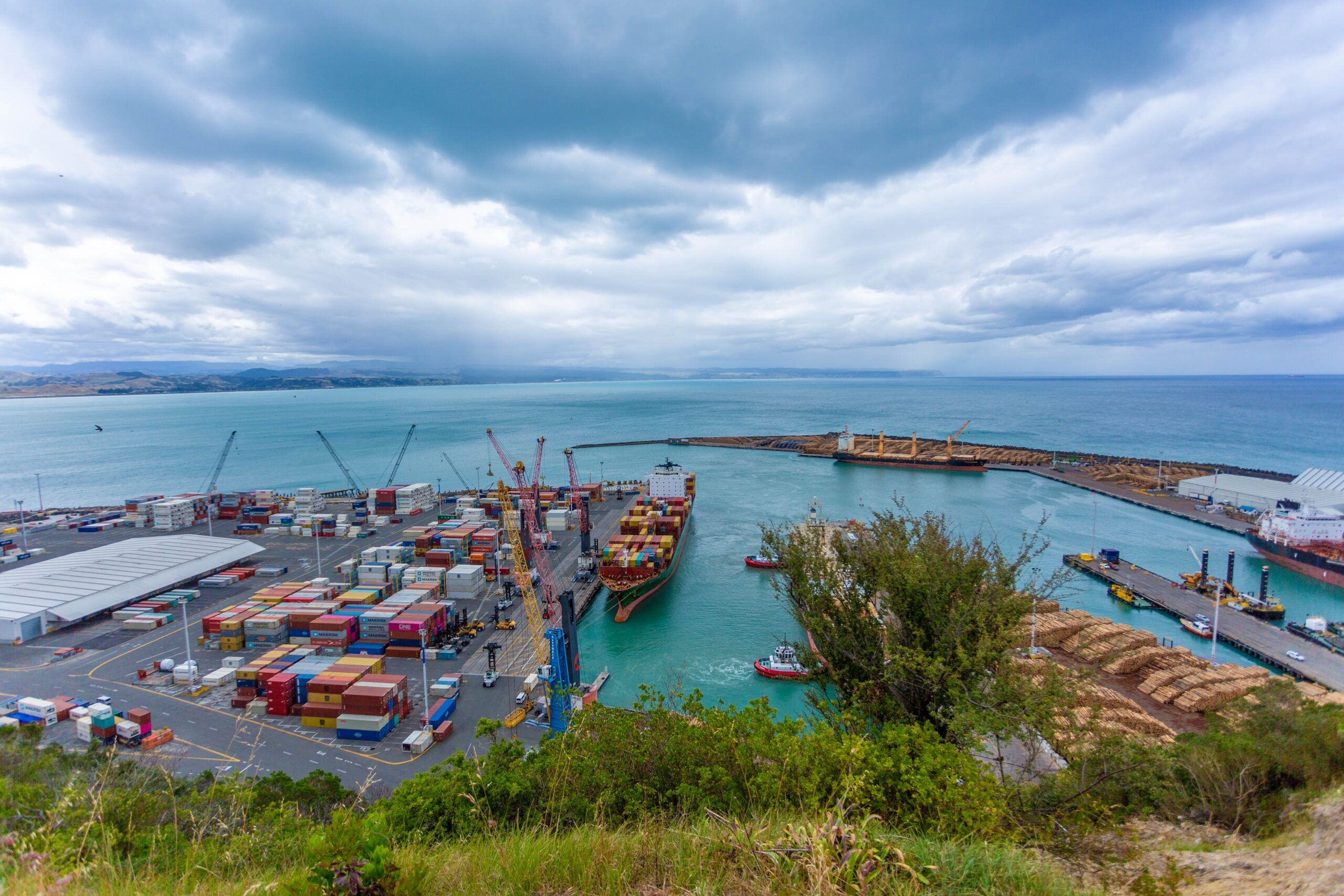
The Memorandum of Understanding sets out the policy framework within which the EU and New Caledonia will cooperate on raw materials value chains. New Caledonia is one of the world’s leading producers of nickel, accounting for 3.1 per cent of global production in 2024. The Memorandum of Understanding recognises New Caledonia’s broader mineral potential and its unique status as an overseas country and territory (OCT). The Memorandum of Understanding with New Caledonia is the EU’s seventeenth strategic partnership on raw materials since 2021.
This Memorandum of Understanding sets out the five areas in which the EU and New Caledonia will cooperate closely:
- Promoting the economic and industrial integration of value chains for critical raw materials and other raw materials. Under this heading, the two parties will develop projects of common interest; facilitate access to finance to attract new investment in line with the Global Gateway strategy and the Team Europe approach; and mobilise the relevant instruments of the EU, the Member States and financial institutions, as well as private investment.
- Cooperate to ensure that New Caledonia’s mining sector acts as a driver for sustainable and inclusive economic growth, creating value at local and national levels. This encompasses the sustainable exploitation of mineral resources, including the closure and rehabilitation of mining sites, and the application of strict environmental, social and governance (ESG) standards as set out in EU legislation, agreements, guidelines and best practices.
- Mobilise support for the infrastructure necessary for the development of raw materials value chains, taking into account the specific nature of New Caledonia’s transport and energy infrastructure needs.
- Strengthen capacity building across raw materials value chains, in particular through cooperation between relevant stakeholders in education, vocational training, research and industry.
- Collaborate on research and innovation relating to prospecting, exploration, extraction, processing, recycling technologies, refining, substitution and the circular economy for raw materials, as well as on innovative approaches to the closure and rehabilitation of mining sites.
Next steps
Following the signing of the Memorandum of Understanding, the EU and New Caledonia will jointly draw up a roadmap in consultation with all EU Member States, the European Investment Bank, industry and partners. The roadmap will set out concrete actions to implement the strategic partnership.
Background
The partnership that has been signed benefits both parties. It ensures that New Caledonia’s resources support sustainable, fair and inclusive socio-economic development that complies with the highest environmental, sustainability and governance standards, in line with the Global Gateway Strategy. Global Gateway is the European strategy to foster smart, clean and secure connections in the digital, energy and transport sectors and to strengthen health, education and research systems worldwide. The Global Gateway strategy incorporates a ‘Team Europe’ approach that brings together the European Union, the EU Member States and the European development finance institutions.
The partnership also contributes to the resilience and diversification of the EU’s raw materials supply chains, in line with the Critical Raw Materials Act and the RESourceEU Action Plan.
Since 2021, the Commission has established strategic partnerships on raw materials with: in 2021, Canada and Ukraine; in 2022, Kazakhstan and Namibia; in 2023, Argentina, Chile, the Democratic Republic of the Congo, Zambia and Greenland; in 2024, Rwanda, Norway, Uzbekistan, Australia and Serbia; in 2025, South Africa; and in 2026, the United States.
More information: European Commission
Publicaciones relacionadas:
 The Commission selects 46 new strategic projects to strengthen the EU’s supply of critical raw materials
 The Commission adopts a proposal to speed up the development of standards and improve the EU’s competitiveness
 Commission proposes EU Space Act to boost market access and safety
 Commission approves €3 billion German State aid scheme to support cleantech manufacturing capacity
 Oil and gas coordination groups take stock of the situation in the oil and gas markets
Leave a Reply