
Whilst the people of Sudan continue to suffer from the world’s most severe humanitarian crisis, the European Union, together with Germany, France, the United Kingdom, the United States and the African Union, co-hosted the Third International Conference on Sudan in Berlin.
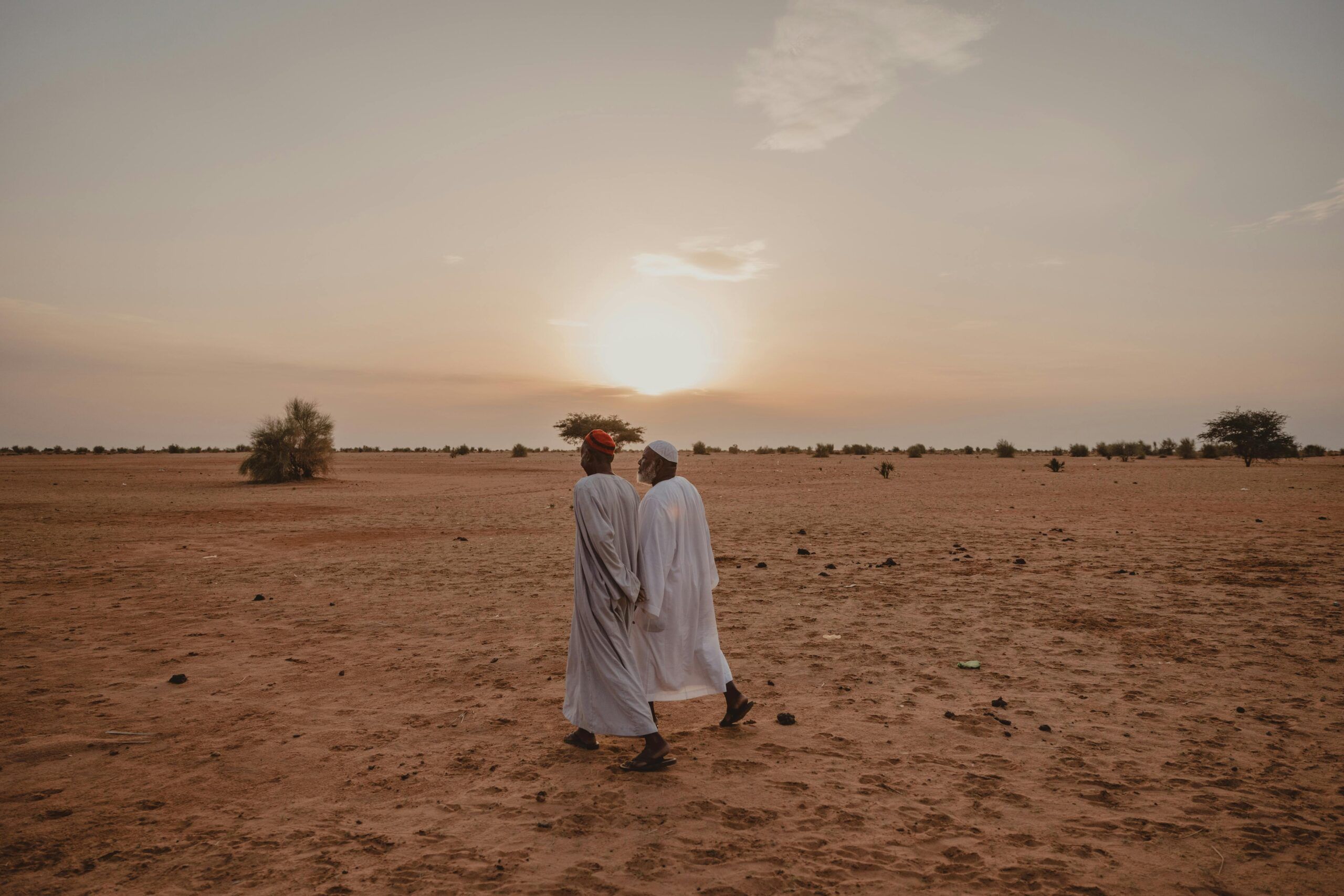
As the war in Sudan enters its fourth year, the conference aims to mobilise global action in support of Sudan at this critical juncture.
The EU, together with its Member States, pledged €811.84 million in aid to urgently respond to the current emergency in the country, both within and beyond its borders. Of the EU’s total commitment, the European Commission’s contribution amounts to €360.8 million, of which €215.5 million will support people in need in Sudan, and €145.3 million will help respond to the regional refugee crisis caused by the war in countries such as Chad, South Sudan, Ethiopia, the Central African Republic, Uganda, Egypt and Libya. The remaining Team Europe funding was pledged by Austria, Belgium, Cyprus, Estonia, Finland, France, Germany, Greece, Ireland, Italy, Luxembourg, the Netherlands, Poland, Portugal and Sweden.
The EU aid will address food insecurity through cash assistance, health and nutrition services, water and sanitation, shelter support, protection and education. This funding will also help maintain essential services, support livelihoods and strengthen resilience, whilst promoting long-term peacebuilding in Sudan.
Background
Three years after the outbreak of war, Sudan continues to face an unprecedented crisis, with over 13 million people forcibly displaced, 33.7 million in need of assistance and confirmed famine in multiple regions. With 30 million people in need of food aid and 12 million, including children, at risk of gender-based violence, the conference will rally international support to alleviate suffering, demand an end to hostilities and chart a path towards a democratic and peaceful, civilian-led future for Sudan. It will also give a voice to Sudanese civilians and non-governmental organisations (NGOs) making a difference on the ground.
At the 2025 London High-Level Conference on Sudan, the EU and its Member States pledged €522 million in humanitarian aid for the regional crisis in Sudan, following the €260 million allocated by the Commission in 2024 (including €147 million for the in-country response). Today’s Berlin conference builds on these efforts to scale up support amid worsening famine and violence.
The EU has supported the humanitarian response in Sudan with over €1 billion in humanitarian aid since 2013. EU humanitarian funding in Sudan is implemented by trusted humanitarian partners such as UN agencies, the Red Cross and Red Crescent Movement, and international NGOs.
The EU also supports projects focusing on human rights, livelihoods, health and school feeding in areas affected by displacement, whilst helping neighbouring countries such as Chad, South Sudan, Ethiopia and the Central African Republic to cope with the spillover effects of the crisis. The EU’s approach is to maintain essential services to build long-term resilience and sustainable recovery.
More information: European Commission.
Publicaciones relacionadas:
 Commission response to the European citizens’ initiative on reducing unsafe abortion in the EU
 The Commission has presented a new Gender Equality Strategy 2026-2030 for a more equal, cohesive and prosperous Europe.
 The EU and Nigeria open negotiations on a bilateral agreement on cooperation in science and technology
 New measures to strengthen the EU’s humanitarian response
 European Commission publishes analysis on social convergence in Spain in the context of the European Semester
Leave a Reply