
The European Commission has taken a decisive step forward in the development of nuclear technologies with the adoption of the Work Programme for the Euratom Research and Training Programme2026–2027. By covering nuclear research and innovation, the Programme provides funding that complements Horizon Europe.
The 2026–2027 Work Programme aims to strengthen the EU’s energy independence, competitiveness and technological leadership, whilst advancing towards carbon neutrality by 2050, in line with the priorities set out in theCommunity Nuclear Illustrative Programme (PINC), theNet-Zero Industry Act, theClean Industry Pactand theSmall Modular Reactors (SMR) Strategy, presented by President von der Leyen at theNuclear Energy Summit held on 10 Marchin Paris. Furthermore, it will support the development of technologies relevant to fusion, a key step towards the forthcoming EU Fusion Strategy.
Accelerating fusion energy as an energy source of the future
Fusion has the potential to revolutionise the European energy landscape. The EU aims to connect the first commercial fusion power plant to the grid, providing clean, affordable and secure energy to European citizens and businesses. To this end, the 2026–2027 Work Programme will invest €222 million to drive fusion energy from the laboratories to the electricity grid, through:
- Establishing a new European public-private partnership (PPP) for fusion energy to help develop commercially viable fusion technologies and build a robust European supply chain.
- Supporting nuclear fusion-related challenges within the framework of the European Innovation Council’s instruments to help fusion start-ups grow and develop their technologies in the EU, whilst attracting private investment.
- Prioritising fundamental research on nuclear fusion and the development of specialised talent in this field, alongside the joint operation of research facilities.
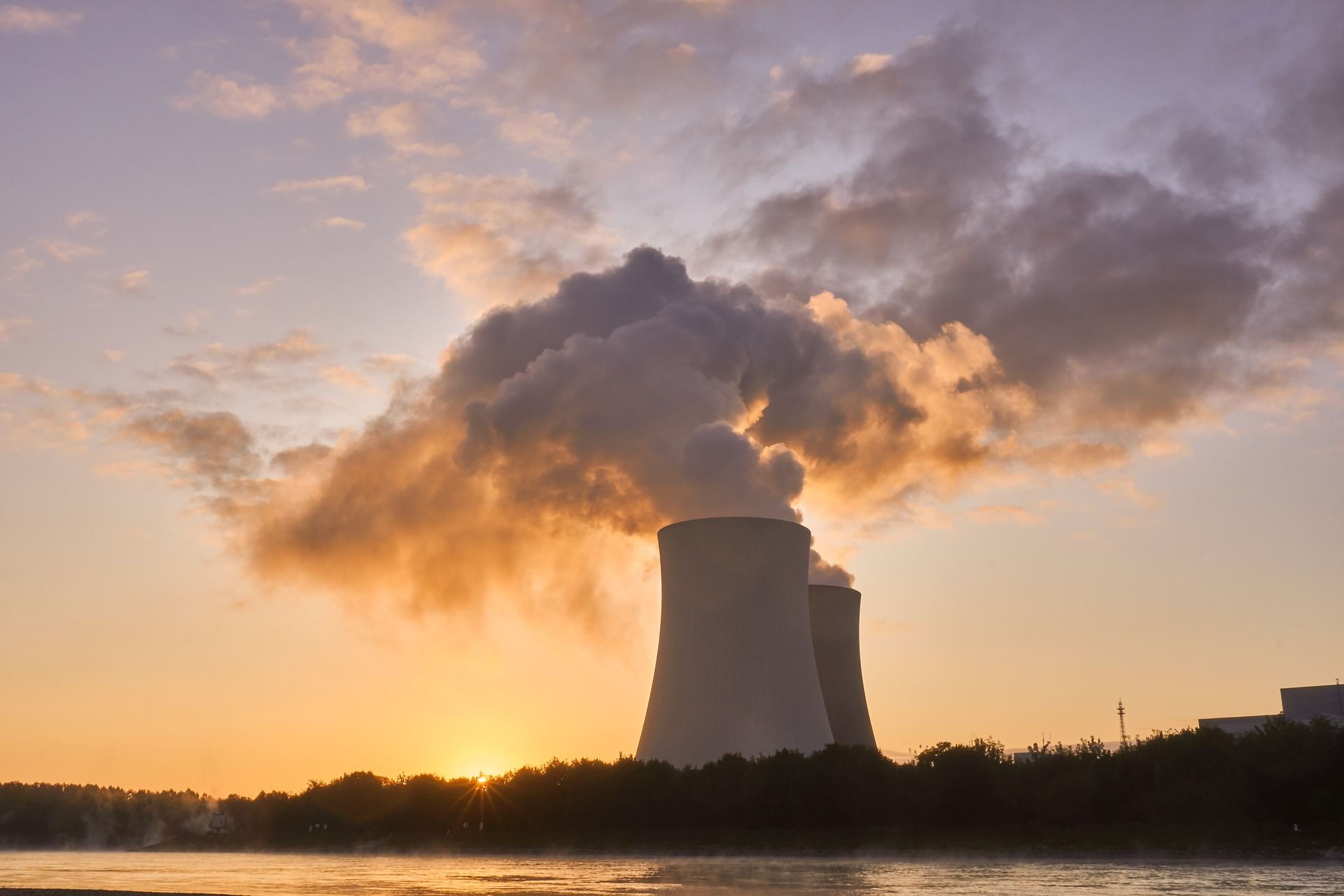
Invest in nuclear innovation, safety and talent.
Given that EU electricity demand is projected to double by 2050, the 2026–2027 Work Programme is designed to strengthen the EU’s capacity to build on excellence in research, innovation and talent to safely develop clean, low-carbon technologies ‘made in Europe’.
In the field of nuclear fission (€108 million), collaborative research funded by the Programme will focus, among other things, on the safe management of radioactive waste, radiation protection and innovation in nuclear materials. In addition, the Programme will address research relating to the long-term operational safety of existing nuclear power plants, small modular reactors (SMRs), advanced reactors and nuclear fuels.
Furthermore, the Programme will focus on advances in nuclear medicine, funding research to improve the EU’s self-sufficiency in the supply of isotopes for new nuclear medicine therapies.
Finally, the programme will aim to attract nuclear talent from both within and outside the European Union, for example throughMarie Sklodowska-Curie fellowships. The programme will also facilitate open access to more than 230 nuclear research centres across the EU and greater integration of Ukrainian nuclear researchers into theEuropean Research Area.
Background
The Euratom Research and Training Programme is the EU initiative dedicated to nuclear research and training, focusing on advancing fusion energy, improving nuclear safety, radiation protection and waste management. It ensures open access to infrastructure, training and international cooperation. It operates in parallel withHorizon Europe, supporting its energy objectives and EU policies on energy security and technological leadership.
In accordance with theEuratom Treaty, the Programme has a duration of five years. The current programme ran from 2021 to 2025 and was extended by the Council in 2025 for two years, to align with the EU’s long-term budget for 2021–2027.
The 2026–2027 Work Programme aligns with the EU’s strategies for competitiveness and carbon neutrality, supporting the development of clean technologies and key policies such as theCompetitiveness Compass, theClean Industrial Pact, theNet-Zero Industries Act, theNuclear Illustrative Programme (PINC),the SMR Strategyand theEuropean Industrial Alliance on SMR.
Further information: European Commission
Publicaciones relacionadas:
 Commission launches strategy to make Europe Quantum leader by 2030
 Europe enters the exascale supercomputing league with ‘JUPITER’
 New Charter boosts access for companies to cutting-edge research and technology infrastructures in Europe
 The Commission is proposing a new European Innovation Act to promote innovative European ideas and make them globally competitive
 ‘European Researchers’ Night’: science reaches over a million people in 40 countries
Leave a Reply