
As part of the High-Level Week of the United Nations General Assembly, the European Commission has announced three new investments under the Global Gateway programme, which launch the EU’s Global Health Resilience Initiative in partner countries. The package includes an EU guarantee of €63.5 million aimed at mobilising private investment in health and nutrition companies in sub-Saharan Africa; a €15 million loan from the European Investment Bank (EIB), backed by the EU, to expand the production of vaccines and biologics in Colombia; and €60 million in EU funding to strengthen primary healthcare in Ethiopia.
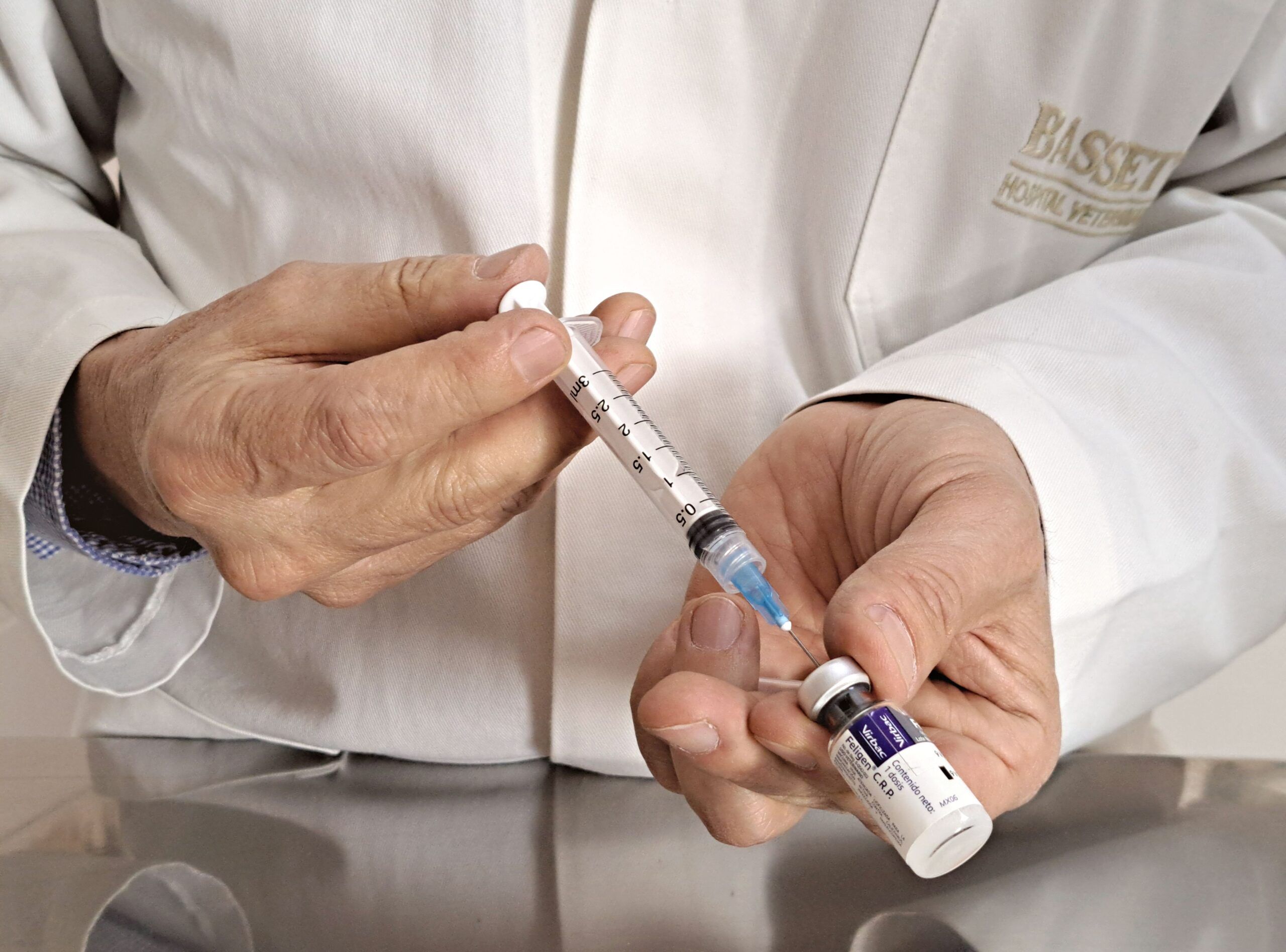
Mobilising private investment in health and nutrition in Africa
The Commission and Cardano Development have signed an agreement to launch the First Mover Health Investors Fund, backed by a €63.5 million EU guarantee. This guarantee is expected to mobilise approximately €150 million in investment for health and nutrition start-ups in sub-Saharan Africa.
The Fund will invest in areas such as nutrition, local pharmaceutical manufacturing, medical devices and consumables, the provision of quality health services, and health innovation. It will focus on companies operating in markets that traditional investors still consider too risky, with the aim of demonstrating their financial viability and scalability. Complementary technical assistance will strengthen investment readiness, quality standards and the impact of the companies supported by the Fund.
Cardano Development is a group of companies that promotes, invests in and expands pioneering financial institutions in emerging and frontier markets. The guarantee is provided through the European Fund for Sustainable Development Plus (EFSD). By absorbing part of the investment risk, it aims to attract commercial and institutional capital and help build a stronger investment track record in African healthcare markets.
Expansion of vaccine and biologics production in Colombia.
With the support of the European Commission, the EIB is granting a €15 million venture capital loan to the Colombian biotechnology company VaxThera, as the first tranche of a financing package of up to €35 million.
The funding will support the construction, equipping and validation of the second phase of VaxThera’s commercial-scale manufacturing plant. It will help to expand the integrated production of vaccines and biological medicines in Colombia and strengthen the company’s capacity to develop products that address unmet medical needs.
The operation is backed by the Commission through an EFSD guarantee under the Accelerating Human Development (HDX)programme . Technical assistance, amounting to up to €1.5 million, will support the development of three vaccine candidates against infectious diseases of regional and global significance, which form part of VaxThera’s research and development portfolio.
This investment combines Colombian expertise with European technology and know-how. It is expected to create skilled jobs, strengthen Colombia’s biotechnology ecosystem and enhance the region’s capacity to produce essential healthcare products and respond to future epidemics and pandemics.
Strengthening primary healthcare in Ethiopia
The Commission has announced a €60 million investment package, developed in collaboration with Ethiopia, to improve the quality and accessibility of primary healthcare in the country.
The EU funding will support the construction, refurbishment and equipping of healthcare infrastructure, enabling health centres to meet the required operational and quality standards. It will also address the factors affecting health outcomes in disadvantaged communities, such as access to water and sanitation, nutrition and gender-based violence.
In addition, the EU will support the expansion of digital health insurance services in remote areas, as well as biomedical training, research and innovation. EU-funded technical assistance will focus on strategic areas for local pharmaceutical manufacturing and supply chain management.
By combining infrastructure, expertise and technology, the EU’s investments are expected to improve health services, increase national funding for health and create better conditions for private-sector investment, including partnerships with European companies.
Fund
Adopted in May 2026, the Global Health Resilience Initiative represents the EU’s renewed approach to better preventing, preparing for and responding to global health threats, strengthening health systems and supporting the health sovereignty of partner countries. Its five priorities include country-led, resilient health systems; enhanced international prevention, preparedness and response; diversified supply chains and manufacturing of key health products; a more effective global health architecture; and greater trust in science, as well as combating disinformation, misinformation and foreign manipulation and interference.
Between 2021 and 2025, the EU mobilised more than 6,000 million euros in funding for global health. Through the Global Gateway, the EU and its Member States have also mobilised more than €2 billion for the regional manufacture of vaccines, medicines and health technologies in Africa.
More information: European Commission
Publicaciones relacionadas:
 The Commission welcomes the political agreement on the Critical Medicines Act
 Commission secures agreement with BioNTech-Pfizer on the delivery of COVID-19 vaccines
 Commission opens participation to Critical Medicines Alliance
 Commission recommends new measures on vaccine-preventable cancers under Europe’s Beating Cancer Plan
 Critical medicines act: Council agrees its position on new rules to tackle shortages
Leave a Reply