
The meeting of the Oil Coordination Group brought together experts from the European Commission, EU member states, the International Energy Agency (IEA) and NATO, as well as representatives from the oil industry, to discuss the security of oil supply in Europe and the best way to coordinate efforts at EU level whilst the conflict in the Middle East continues.
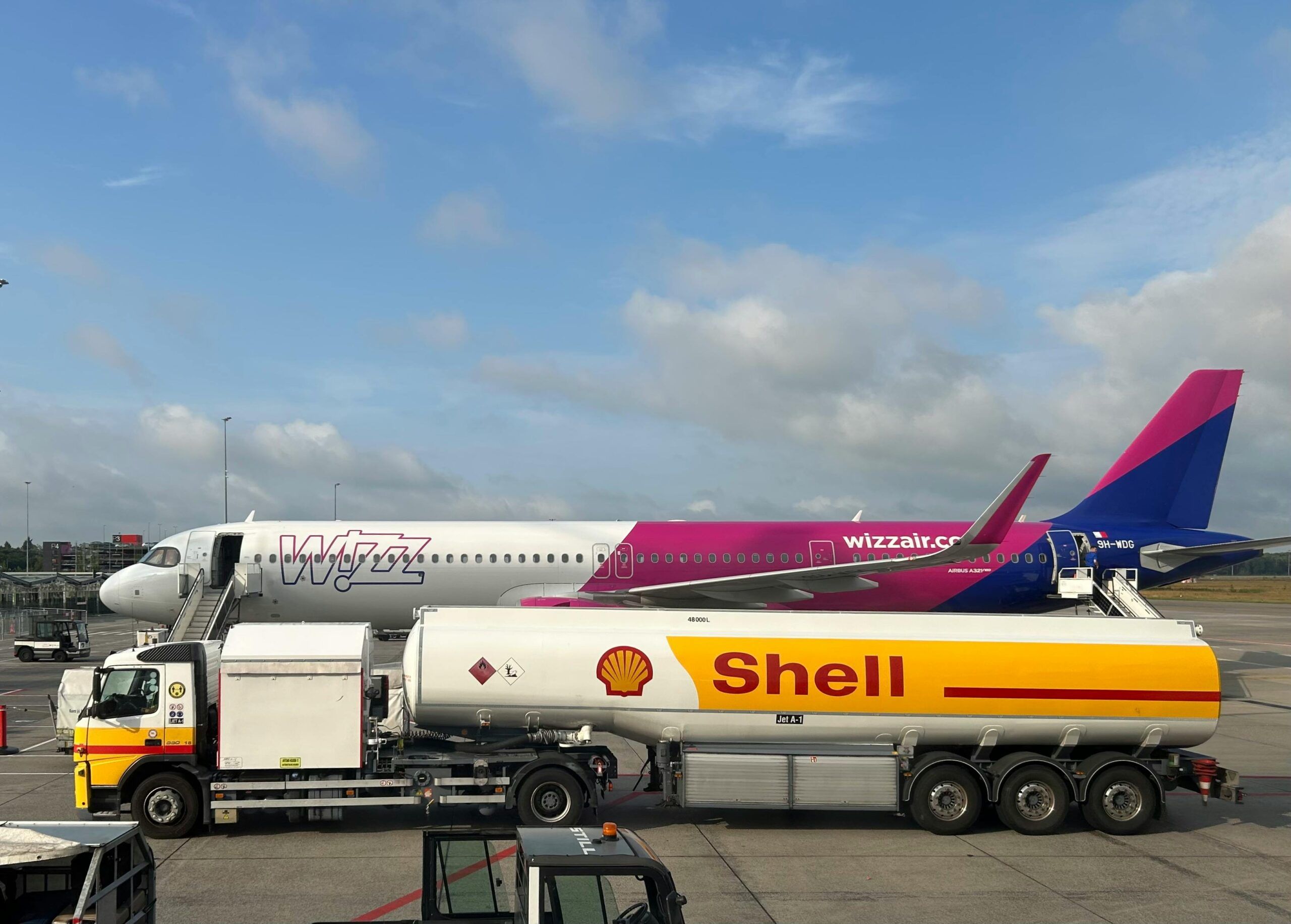
Although there is currently no fuel shortage in the EU, regional supply constraints could arise in the coming weeks if the blockade of oil supplies through the Strait of Hormuz is not resolved, with aviation fuel being the main concern. The Group analysed the outlook for the EU and the EU’s coordinated approach should the situation persist until June. Whilst the EU’s emergency reserves can be released if necessary, OCG experts emphasised that, if the situation continues, any release of emergency reserves will need to be complemented by fuel-saving measures, so that the emergency reserves can be managed more efficiently and over a longer period.
The Commission also presented guidance for the transport sector, published last week, which clarifies issues such as regulatory flexibility regarding slots and the European Aviation Safety Agency (EASA) Safety Information Bulletin on the safe use of Jet A aviation fuel in Europe.
At the meeting, the IEA also presented its latest report on the oil market. It notes that global oil reserves are running low, whilst imports from the Atlantic basin have risen more than expected, although they remain well below the losses suffered in the Persian Gulf.
The Oil Coordination Group will continue to meet regularly to ensure a coordinated response to any developments relating to the supply of aviation fuel in the EU. The Commission will continue to assess the overall impact of the situation in the Middle East on Europe, supporting coordinated measures where necessary and maintaining regular communication with EU countries, the IEA and market participants.
More information: European Commission.
Publicaciones relacionadas:
 Oil and gas coordination groups take stock of the situation in the oil and gas markets
 Commission proposes EU Space Act to boost market access and safety
 Commission approves €3 billion German State aid scheme to support cleantech manufacturing capacity
 Commission publishes market study on hotels’ distribution practices
 European Commission launches unannounced inspections at premises of fashion companies
Leave a Reply