
The European Commission has published guidance to ensurea simpler and more harmonised application of European water legislation,thereby reducing uncertainties regarding compliance.Its aim is to support Europe’s overall resilience agenda, which includes water resilience. This guidance forms part of the Commission’s efforts to support Europe’s overall resilience by maintaining high standards for our waters, in order to protect human health and the environment, whilst ensuring access to the essential raw materials needed for the transition to a clean future.
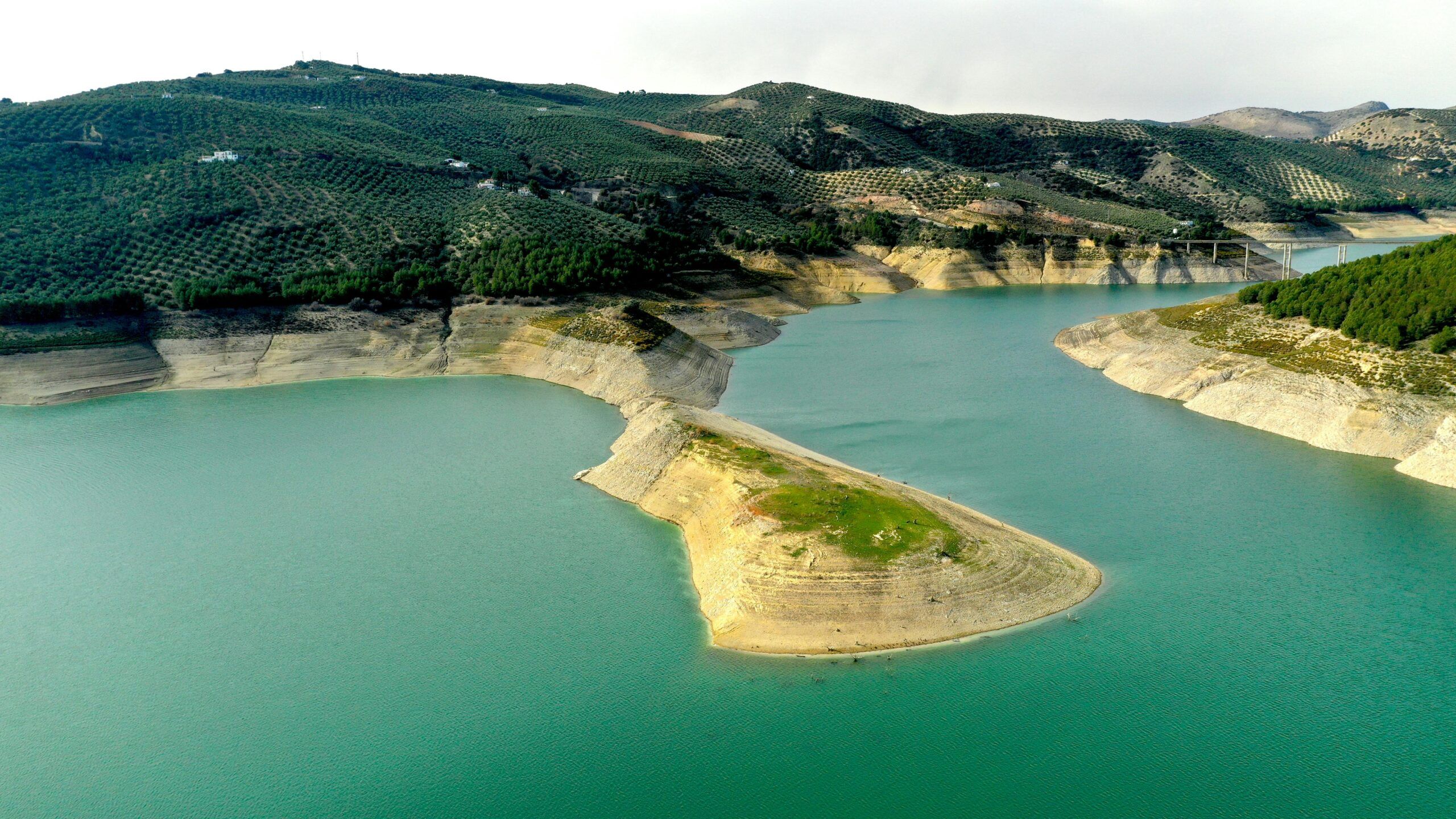
This guidance clarifies theWater Framework Directive, supported by its daughter directives: theGroundwater Directiveand theEnvironmental Quality Standards Directive. It forms part ofthe RESourceEU Action Planand takes into account the objectives of theWater Resilience Strategy.
The guidance document explains how to assess the environmental impact of new projects on water quality. It focuses on projects affecting the chemical status of water bodies and on the standards set outin European water legislation, which already allows for less stringent environmental objectives.
It also explains the new exemptions introduced byrecent amendments to water legislation. These allow for simplified procedures for projects that cause only short-term deterioration or the relocation of pollution without a net increase. The document also provides examples of how these flexibilities can be applied to facilitate projects in mining, metal processing and othercritical raw materials.
The European Commission will work with Member States to ensure that permit assessments relating to critical raw materials projects are carried out more swiftly and consistently.
Whilst the current guidance focuses on the mining sector, the conclusions may also apply to other projects or activities, including those related to strategic sectors promoted under theRenewable Energy Directive III, theChips Actor theNet-Zero Emissions Industries Act. It also complements the Commission’s efforts to streamline the permitting process, including itsproposal for a Regulation to speed up environmental assessments.
Background
The Water Framework Directive is the cornerstone of EU water policy, and its effective implementation is a key objective of the Water Resilience Strategy. This directive requires Member States to ensure that all surface waters (lakes, rivers, transitional and coastal waters) and groundwater achieve good status by 2015 or, at the latest, by 2027. This deadline may be extended beyond 2027 in certain circumstances.The evaluation of the Water Framework Directive carriedout in 2019 confirmed the clear added value of EU action on water policy.
The EU directive revising the lists of pollutants in surface and groundwater came into force on 11 May 2026, ensuring that the lists are aligned with the latest scientific recommendations and that new substances are subject to more comprehensive monitoring and stricter controls.
The RESourceEU Action Planaims to secure the supply of raw materials for key industrial sectors, ranging from the automotive industry to industrial engines, defence, the aerospace industry, AI chips and data centres, whilst protecting the EU’s value chains from supply disruptions.
Whilst this guidance document provides greater clarity on the provisions of the Water Framework Directive, the Groundwater Directive and the Environmental Quality Standards Directive, it does not replace, supplement or amend them. Nor is it legally binding.
More information: European Commission.
Publicaciones relacionadas:
 European Commission publishes April infringement proceedings package for Spain
 European Commission opens investigation to assess whether Renfe has abused its dominant position on the Spanish market
 Commission welcomes deal on compulsory licensing to boost EU crisis readiness.
 Commission acts to enforce timely EU directive transposition
 Commission launches whistleblowing tool under the AI Regulation
Leave a Reply