
The European Commission and the United Nations reiterated their support for global environmental multilateralism at a meeting.
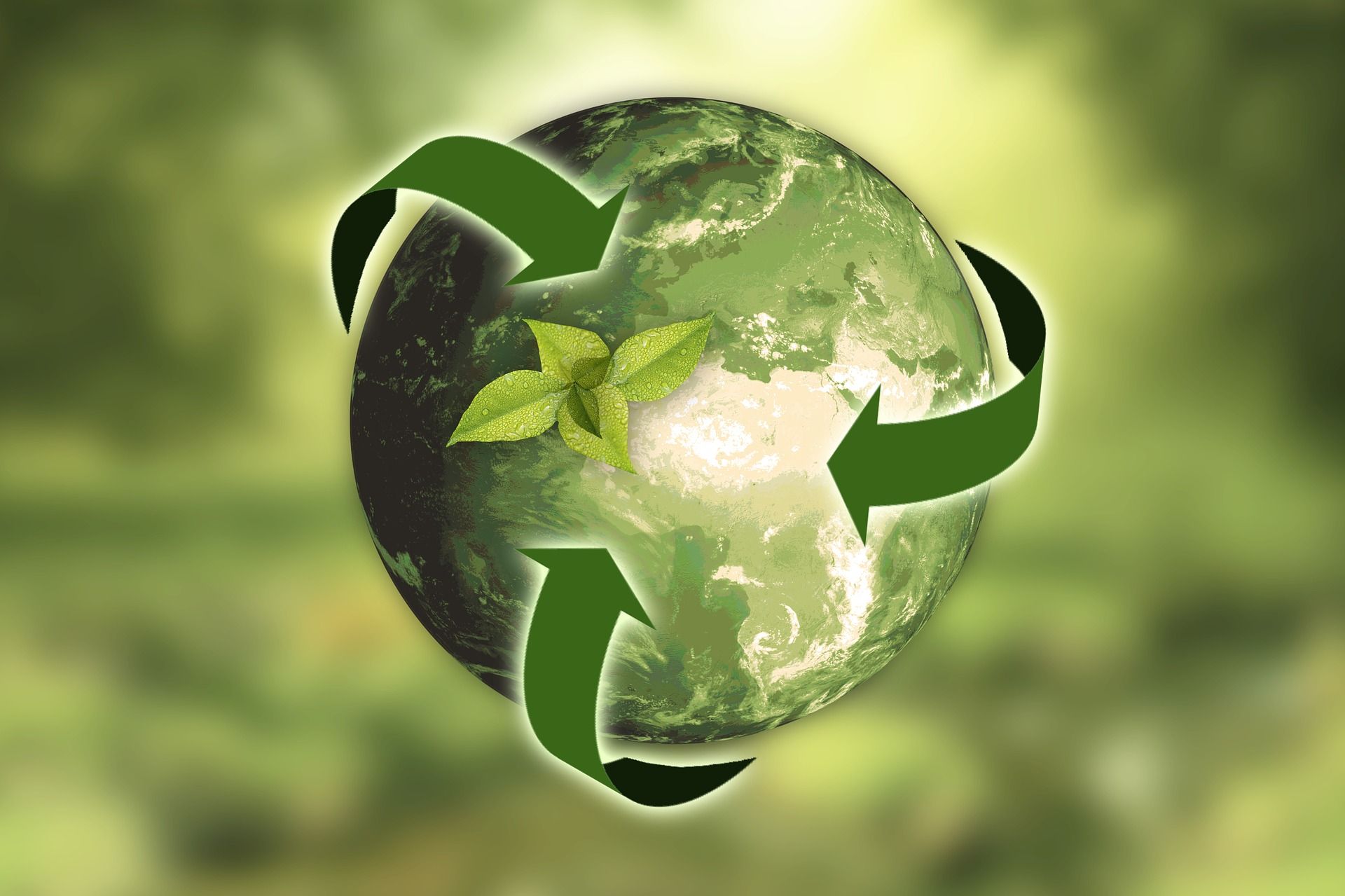
The high-level meeting held in Brussels, where Jessika Roswall, Commissioner for the Environment, Water Resilience and a Competitive Circular Economy,met with Inger Andersen, Executive Director of the United Nations Environment Programme (UNEP), enabled both institutions to align their strategic priorities. It also focused on strengthening multilateral cooperation on environmental issues against a backdrop of growing geopolitical uncertainty and environmental pressures.
The meeting highlighted the crucial importance of fostering collaboration between UNEP and the Commission, particularly in the areas of pollution, biodiversity, climate change and water.
In the face of the policy challenges posed by scientific evidence, both organisations emphasised the indispensable role of science in informed policy-making. Both UNEP and the Commission reaffirmed their commitment to fostering strong partnerships and achieving ambitious outcomes.
Our strong cooperation with the UN highlights the clear need for robust multilateralism in these times of geopolitical uncertainty. Together, we are committed to tackling environmental crises and strengthening global competitiveness, security and resilience in the long term.
Our collaboration also underlines our commitment to scientific expertise in tackling global challenges and supporting a more sustainable future.”
Jessika Roswall, Commissioner for the Environment, Water Resilience and a Competitive Circular Economy.
At a time when the world faces complex global challenges, science-based environmental multilateralism is more important than ever. Today’s meeting was an important opportunity to strengthen our cooperation and discuss priorities ahead of the major negotiations on climate, biodiversity and land degradation taking place later this year.
The European Union’s leadership in driving ambition and supporting effective global environmental governance in these negotiations remains crucial. We look forward to continuing to work together, for people and for the planet.
Inger Andersen, Executive Director of the United Nations Environment Programme
Both parties agreed on a new annex to the Memorandum of Understanding between the two institutions for the 2026–2029 cooperation period, which will serve as a guide for collaboration on joint policies and programmes.
The renewed partnership will focus on several key priorities:
- Addressing the triple planetary crisis: climate change, biodiversity loss and pollution, through global environmental cooperation and science-based policies that protect health, well-being and the economy.
- Building strong coalitions for global action ahead of major international meetings, including the three Conferences of the Parties (COPs) to the Rio Conventions: on desertification (UNCCD COP-17), biodiversity (CBD COP-17) and climate (UNFCCC COP-31), the first international conference ofthe Global Framework on Chemicals, the United Nations Water Conference and the resumption of negotiations on a global treaty on plastic pollution (INC-5.4).
- Strengthen the interface between science and public policy, ensuring that science-based research continues to guide environmental decision-making at a time when scientific consensus is increasingly being challenged.
- Strengthen global environmental governance and synergies between relevant conventions under the continued leadership of UNEP.
The discussions also examined how to improve cooperation between UNEP and multilateral environmental agreements, and addressed the ongoing negotiations on the EU’s long-term budget for the period 2028–2034.
Both sides agreed to join forces with a view to concluding the negotiations, held under the auspices of UNEP, for a new international treaty to end plastic pollution: the EU remains committed to an effective and robust instrument.
Recent multilateral successes
Despite geopolitical tensions, 2025 brought achievements in global environmental cooperation, includingthe outcomes of UNEA-7with 11 resolutions and 3 decisions, covering the environmental challenges facing the world, from the sound management of minerals and metals essential for the energy transition, to forest fires, the promotion of the environmental dimension of antimicrobial resistance, and the sustainable use of AI.
Last year also saw the creation ofthe Intergovernmental Scientific-Policy Group on Chemicals, Waste and Pollution Prevention(ISP-CWP), the presentation of the outcomes of several COPs, and the ratification of theBBNJ Agreement (Conservation and Sustainable Use of Marine Biological Diversity of Areas Beyond National Jurisdiction) was ratified.
Background
The annual dialogue builds on the established collaboration between the Commission’s various services, the European External Action Service and UNEP, at both the political and programmatic levels, in support of solutions through environmental multilateralism.
To date, cooperation between the Commission and UNEP has covered a wide range of activities, programmes and projects in areas such as biodiversity, sustainable consumption and production, climate change, water resources, sound management of chemicals and waste, environmental monitoring and assessment, and the strengthening of environmental governance at global, regional and national levels.
The Commission has provided support both directly to UNEP and to the budgets of the Multilateral Environmental Agreements for which UNEP provides the secretariat.
More information: European Commission.
Publicaciones relacionadas:
 Commission approves €1.04 billion state aid scheme to support climate projects
 Global ocean conservation treaty enters into force
 EU approves landmark Declaration on the integrity of climate change information
 Commission approves €440 million Spanish state aid scheme to support renewable hydrogen production
 Nearly half of EU Biodiversity Strategy measures now implemented to protect ecosystems.
Leave a Reply