
The Commission welcomes the agreement reached between the European Parliament and the Council to establish Lille as the seat of the European Union Customs Authority (EUCA).
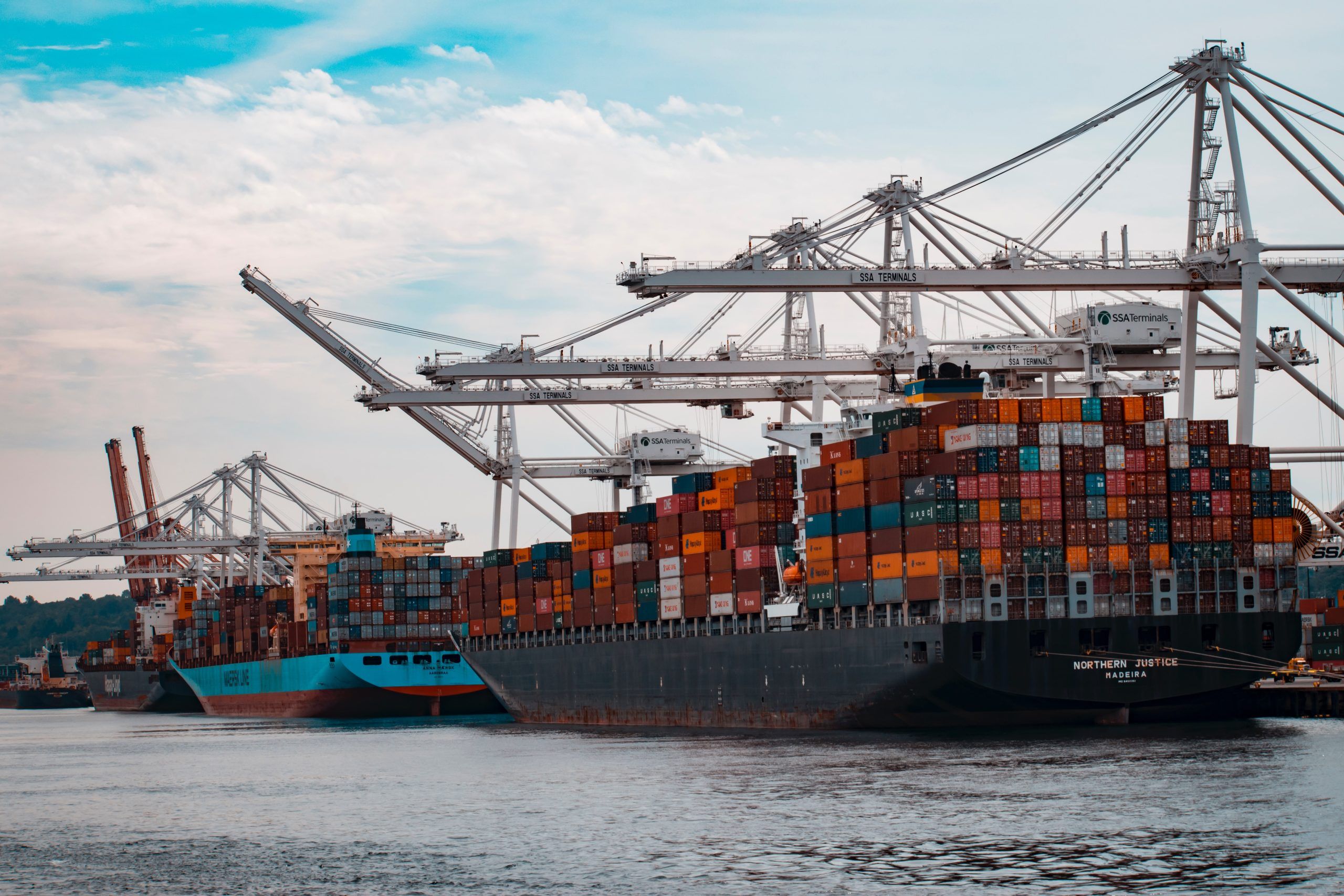
The Commission received nine applications from Member States interested in hosting the EUCA. It subsequently drew up aneutral and objectiveassessmentof these applications and sent it to the co-legislators on 20 January 2026 to facilitate the selection process. Today’s decision represents one of the final steps required before concluding negotiations on theEU’sambitiouscustoms reform.
The reform will strengthen the EU’s customs authorities, helping them to protect the external border for goods against the challenges posed by the rapid rise of e-commerce and the changing geopolitical landscape. The modernisation of the EU’s customs framework will benefit our economy, our security and our consumers by creating a simpler, better and more efficient digitalised system for the EU’s international trade.
The reform will establish a data-driven vision for the future of EU customs. The EUCA will be a key element in ensuring the Customs Union functions cohesively. It will act as an essential operational pillar for the future EU Customs Data Centre, coordinate risk management and prioritise tariff compliance for e-commerce, amongst other functions. The EUCA will foster cooperation between national customs authorities and improve their capacity to address trade flows that pose a risk to the EU’s competitiveness and security.
Next steps
The location of the headquarters will now be included in the regulation establishing the new Union Customs Code, as well as in the EUCA. This will be formally adopted by the co-legislators as part of the text, which is still under negotiation.
The Commission will be responsible for ensuring that the procedures relating to the establishment and initial operation of the EUCA are complied with until the date on which the Authority becomes operational.
Background
In May 2023, the European Commission presented a package of legislative proposals on EU customs reform. The aim of this package is to strengthen, modernise and simplify the overall functioning of customs in the EU, as well as to adapt to the growing global challenges of international trade. The proposal included the creation of an EU Customs Authority.
The choice of the seat of the Anti-Money Laundering and Counter-Terrorist Financing Authority was the first instance in which the co-legislators jointly agreed on the location of the seat of a decentralised body. This is the second time that the co-legislators have jointly agreed on the location of the seat of a decentralised body.
Following agreement on the criteria for selecting the seat of the EUCA, a joint call for applications was launched on 16 October 2025. Member States had until 27 November 2025 to submit their applications.
More information: European Commission.
Publicaciones relacionadas:
 The Commission launches the EU Maritime and Port Industrial Strategies
 EU agri-food trade hits new records in 2025
 The EU is studying the investment needed to improve trade routes between Europe and Central Asia via the Caucasus.
 The Commission and EU countries coordinate and assess the situation on the oil and gas markets
 EU exports under Free Trade Agreements surpass €1 trillion
Leave a Reply