
The Commission welcomes the agreement reached last Thursdaybetween the European Parliament and the Council, which marks ahistoricreformofthe EU Customs Union. Thisreform, the most ambitious overhaul of EU customs rules since 1968, introduces new measures for e-commerce and establishes a modern, data-driven customs architecture that simplifies procedures and improves efficiency.Withthese fundamental improvements,Europeancustomswill beready toadapttothechanginglandscapeof international trade.
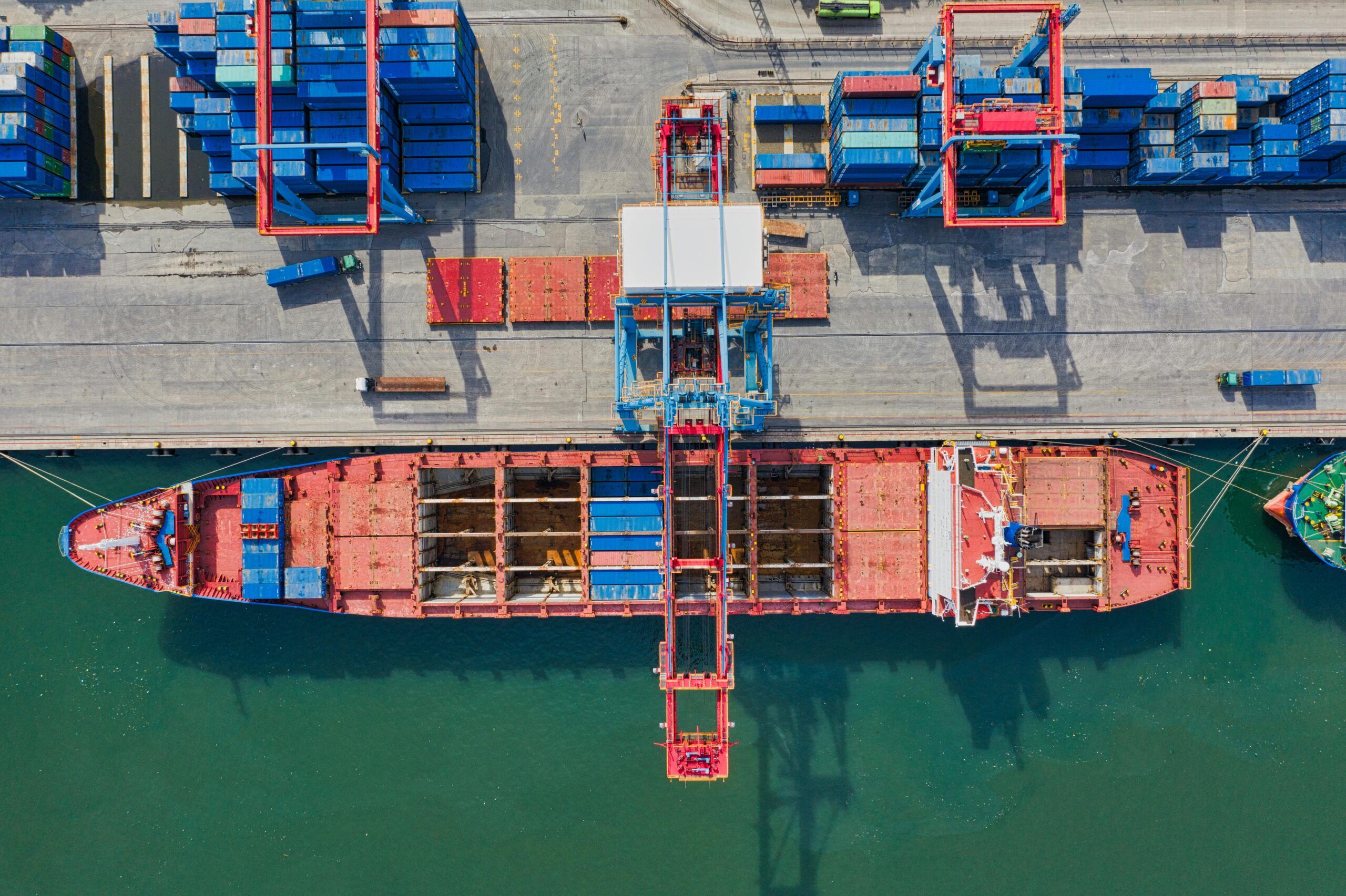
Customs authorities today face a multitude of challenges, includingtherise in low-value e-commerce imports, the increased risk of unsafe products and fraud, evolving geopolitical trade dynamics, and the threats posed by organised crime and smuggling. Customs play a vital role insafeguarding the security of the Single Market and its citizens.
Toaddress these challenges,the Commission presented in May 2023 a comprehensive customs reform packageto modernise and integrate customs operations across the EU.Thisreformis based on three pillars: smarter risk management and customs controls, a modern framework for e-commerce, and stronger collaboration with businesses. With the support ofanewEU Customs Authority (EUCA), it will digitiseand simplify procedures, reduce costs and red tape, promote amore uniform approachat the externalborder, increase the accountability of online platforms and better protect the Single Market through stronger, data-drivenrisk management and enforcement .
A data-driven approach to customs
The customs reform focuses on the creation of a new EU agency, the EU Customs Authority (EUCA), based in Lille, France. This agency will coordinate and modernise customs operations across the 27 Member States. The EUCAwill facilitate theexchangeofinformationandriskmanagementat EU level,therebyimprovingtheharmonisation of the enforcement ofEuropean customslegislation, as well as thedetection and prevention ofcustomsfraudacross the Union.
As the driving force behind the reform, the EU Customs Authority will manage the EU Customs Data Centre, a single digital interface for all customs operations in the EU. This centrewill enable businesses to submit information just once, eliminating the need for traders to navigate multiple national systems. For customs authorities across the EU, this data integration means access to first-hand, real-timeinformation,as well as anEU-wideoverview . Thisis expected to resultin savings of over €2 billion annually in operational costs for Member States.
To facilitate legitimate trade, the reform also strengthens the framework for trusted traders. Businesses with a strong track record of compliance will be rewarded, benefiting from simplified procedures and fewer checks, allowing customs authorities to focus their resources on high-risk shipments.
A turning point for e-commerce
In 2025, an estimated 5.9 billion low-value items entered the EU in parcels sent directly to consumers, of which over 90% originated from China. The growing volume of trade and complex compliance requirements havemade monitoring these parcels even more difficult. Thislarge influx of parcels bringswith it increased risks. Many products purchased online from outside the EU do not meet EU standards, raising concerns about consumer safety.
The reform introduces several specific measures to address therapidgrowthofe-commerce.
The Commission and the Member States agreed in November 2025 to remove the customs duty exemption previously in place for parcelsvalued at less than €150. As an interim solution, they decidedto introduce a duty of €3 for these parcels from1 July 2026. The removal of this threshold aims to level the playing field between e-commerce sales and traditional retail, restoring fairness and maintaining freedom of choiceforconsumers. Once the Data Centre is fully operational, standard customs duties will apply.
Today’sagreementalso introduces a handling fee for goods imported into the EU,intended to offset the increased costs for customs authorities. The amount of the feewill be determinedbyadelegated act andwillbe based on the minimum costs incurred by customs authorities in processing the goods. These costs arise from the IT and labour resources mobilised to authorise the free movement of such goods, including the verification of the data provided, risk analysis and the carrying out of periodic documentary and physical checks where necessary. The fee will enter into force no later than 1 November2026.
In future, e-commerce operators will assume greater responsibility. Platforms and online sellers will report theirsalesto customs, via the EU Customs Data Hub,immediatelyafter they are made. This will enable customs to take actionevenbefore the goods reach the border. Theseoperatorswill also beresponsible for ensuring compliance with EU legislation applicable to theirproducts,including both fiscal and non-fiscal rules.Specific penalties may be imposed in the event of systematic non-compliance.This represents a substantial improvement on the current customs system, which places this responsibility on individual consumers.
Next steps
This Regulationwill enterinto forcetwenty days afterits publication in the Official Journal of the European Union.
The agreement reached today marks animportant steptowards anew,resilientandadaptableEU Customs Union.Thereformsetsin motion a combination of immediate and long-term measures.
Measures to address the urgent challenges of e-commerce have been brought forward to start earlier than initially planned, given the need for an urgent solution.
The EU Customs Authority will be establishedinclosecollaboration with the Member States, and some activitieswill beginin 2027. In 2028, the EU Customs Data Hub, the central data platform for e-commerce, will be launched. The Data Hub will be available to all other businesses by2031, delivering immediate benefits, simplifications and savings for companies. In 2034, the Data Hub will be extended to all operators and will become the EU’s single mandatory customs entry point.
Background
The EU Customs Union, established in 1968,was a milestone for European integration, as it laid the foundations for the Single Marketandensuredthe free movement ofgoodswithin the EU.
In today’s landscape, customs authorities process billions of shipments annually, and e-commerce is driving an unprecedented surge in low-value imports. The EU Customs Union needed a thorough reform to address modern challenges, such as new business models and the growing volume of transactions, technological advances, the green transition, the new geopolitical context and security risks.
On 17 May 2023, the Commission presented proposals foracomprehensivereform,with the aim of addressing these challenges by developing a more coherent, data-driven and risk-based customs system. This systemis alsodesigned toeffectivelyprotectits financial and regulatory interests.
Further information: European Commission
Publicaciones relacionadas:
 EU agri-food trade hits new records in 2025
 The EU-Mercosur agreement will be provisionally applied from 1 May 2026
 EU exports under Free Trade Agreements surpass €1 trillion
 Statement by President von der Leyen on the announcement of universal tariffs by the US
 EU and India conclude landmark Free Trade Agreement
Leave a Reply