
The European Commission has presented a roadmap for the phasing out of animal testing in chemical safety assessments, setting out clear and concrete steps to ensure the transition to innovative, non-animal approaches. This roadmap will also safeguard the integrity of safety assessments, which ensure a high level of protection for human and animal health, as well as for the environment.
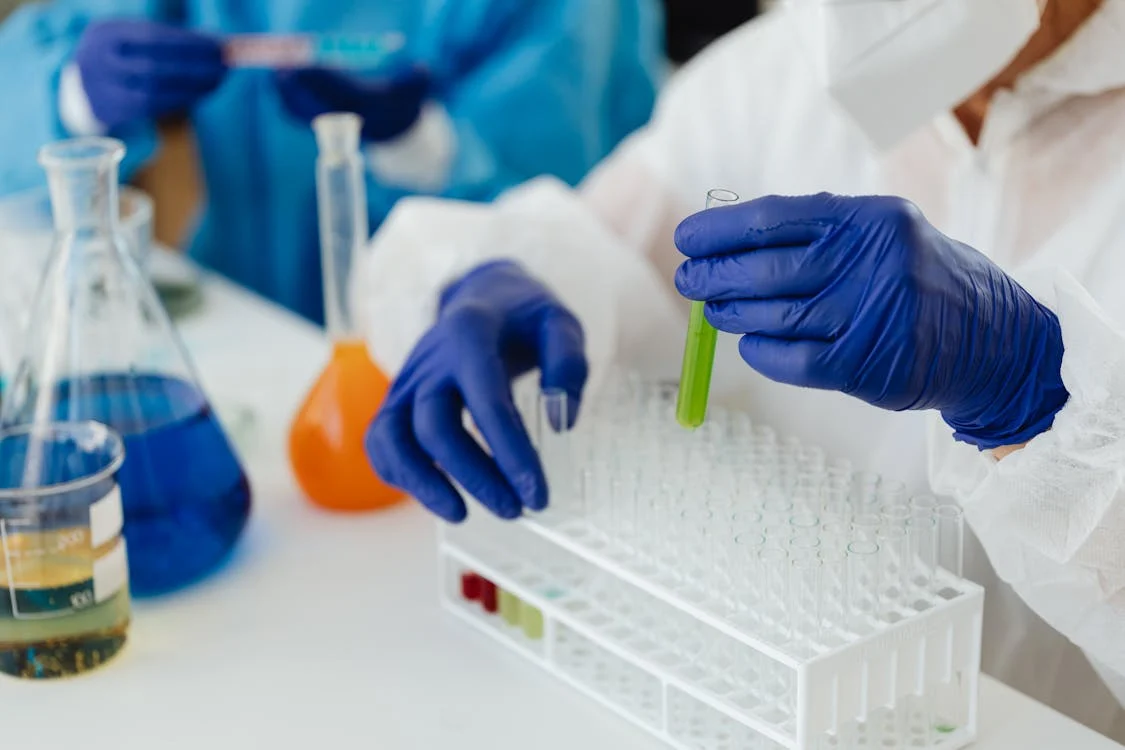
This initiative supports and reinforces theexisting REACH framework, the European legislation on chemicals, and constitutes a concrete outcome ofthe Chemicals Action Planpresented by the Commission in July 2025. With 22 actions organised into three pillars, the roadmap provide for the gradual replacement of animal testing for chemical safety assessment in 15 areas, including industrial and consumer chemicals, pesticides and biocides, pharmaceuticals and food additives. The roadmap sets out indicators that will enable progress in the implementation of the actions and recommendations to be monitored.
The first pillar focuses on driving the shift towards the phasing out of animal testing. The actions under this pillar aim to accelerate the development and adoption of alternative approaches. This pillar outlines more than 30 specific recommendations to replace, reduce or refine animal testing in environmental and human health safety assessments.
The aim of the second pillar is to keep Europe at the forefront of research and innovation. The actions under this pillar seek to foster a broad ecosystem of research and business innovation to develop alternative approaches to animal testing. These actions include the use of artificial intelligence and big data for the development of methodologies.
The third pillar focuses on collaboration within Europe and beyond. The actions under this pillar include establishing a framework to facilitate implementation with all relevant stakeholders in the EU and to foster collaboration with regulatory bodies at international level.
Next steps
The Commission will begin implementing the roadmap immediately, in close collaboration with Member States, EU agencies and stakeholders. By 2029, the Commission will organise a high-level conference to assess the progress made. The conference will focus on the increased use and adoption of alternative methods to animal testing across all relevant EU legislation, including the REACH Regulation. It will also include consultations with stakeholders on the next steps.
Background
In 2023, in response to the European Citizens’ Initiative‘Save cruelty-free cosmetics: commit to a Europe without animal testing’, the Commission committed to developing a comprehensive roadmap for the phasing out of animal testing for chemical safety assessments.
Chemical safety assessments help to ensure that products placed on the market are safe, but they still rely heavily on animal testing. New alternative methods are enabling a gradual transition away from animal testing, offering solutions that are faster, more cost-effective and conducive to innovation within the industry.
More information: European Commission.
Publicaciones relacionadas:
 New Charter boosts access for companies to cutting-edge research and technology infrastructures in Europe
 ‘European Researchers’ Night’: science reaches over a million people in 40 countries
 Europe performs well in innovation
 The Commission is proposing a new European Innovation Act to promote innovative European ideas and make them globally competitive
 First LIFE Call for Proposals 2021 opened
Leave a Reply