
Expected Outcome
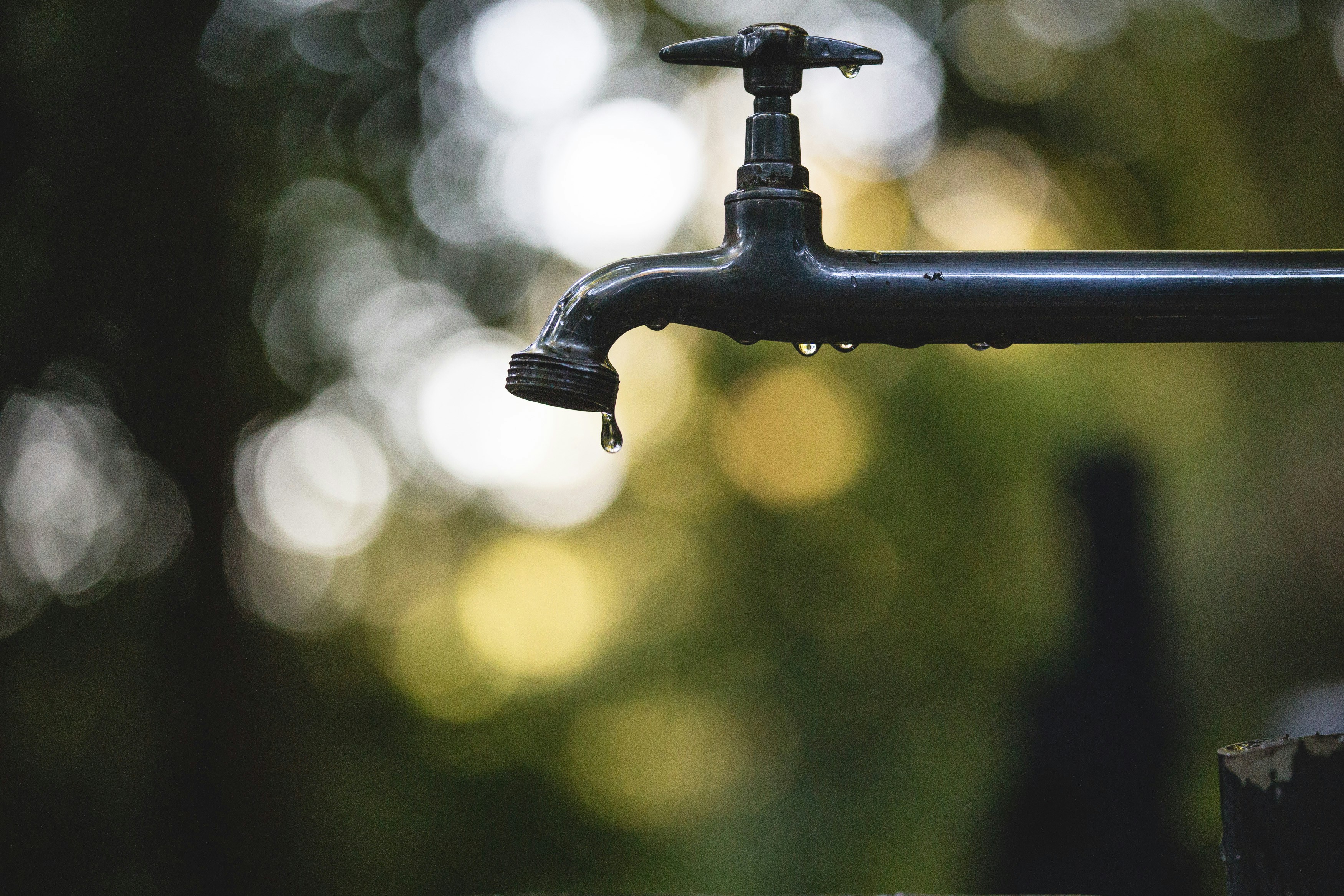
In line with the European Green Deal’s farm to fork strategy, EU water-related policies (notably the Water Framework Directive), and the work done and data made available by the European Environmental Agency (EEA), successful proposals will contribute to increasing the resilience of agriculture to drought with innovative irrigation systems that increase efficiency in water management.
Projects results are expected to contribute to the following expected outcomes:
- Solutions and prevention tools for improving water management in particular in areas experiencing recurrent or permanent water scarcity to anticipate solutions for current and future challenges in water management.
- Support available for end-users seeking to take up innovative solutions in irrigation technologies.
- Unlocking the potential of recycled sewage sludge and other biowaste streams as alternative, safe water and nutrient supply resources for agriculture.
- Increased socio-economic and environmental potential of alternative irrigation practices such as fog harvesting.
- Reduced agricultural water demand, as a result of optimized irrigation systems, including new opportunities for alternative water supplies, and expected innovations from the transition towards more sustainable farming systems, including agroecology.
Scope
Proposals should address the following:
- Improve the understanding of the composition, potential for irrigation in terms of efficiency, reliability and cost-effectiveness of sewage sludge and other biowaste streams, on condition that a safe use of these recycled products is possible, without a negative impact on the environment, ensuring high agronomic efficiency of the nutrients they contain.
- Integration and upscaling of the on-farm water management practices and results at the catchment level by quantifying the impacts of water recycling in the whole basin water balance, optimizing catchment-based agriculture production, reducing runoff patterns and possible changes in hydrological cycles linked to climate conditions.
- New or improved tools for an efficient combined use of water and fertilizers via irrigation for different agricultural systems, including agroecology, organic production, as well as conventional, intensive or urban agriculture.
- New, innovative forms of alternative water for agriculture (e.g., superabsorbent polymers/‘solid water’), including evaluation of their socio-economic, environmental and health impacts.
- Improve practices and solutions in small and large-scale farms to deal with the effects of water abundance (rapid showers, floods) and/or water scarcity.
- Identification of societal and regulatory barriers hampering upscaling of recycled water-use and development of suitable solutions to increase the uptake in practice.
- Recommendations for improved and targeted incentives and policies at regional, national and EU-level to reduce financial risks for early adopters of practices developed in the project.
Proposals must implement the ‘multi-actor approach’ and ensure adequate participation of the main stakeholders involved in irrigation practices and technologies in agriculture. Proposals should build and expand on the achievements of past and current Horizon 2020 and Horizon Europe research and innovation projects, including as part of the Horizon 2020 art. 185 PRIMA partnership. Proposals should include a dedicated task, appropriate resources and a plan on how they will collaborate with other projects funded under this topic as well under HORIZON-CL6-2023-ZEROPOLLUTION-01-01: Knowledge and innovative solutions in agriculture for water availability and quality and HORIZON-CL6-2024-BIODIV-02-01-two-stage: Demonstrating Nature-based Solutions for the sustainable management of water resources in a changing climate, with special attention to reducing the impacts of extreme droughts.
More information: Funding and Tenders
Publicaciones relacionadas:
 HORIZON EUROPE: Building alternative protein-friendly sustainable and healthy food environments
 HORIZON EUROPE: Socio-economics of pesticide use in agriculture
 HORIZON EUROPE: Mobilisation of society to transform food systems
 HORIZON EUROPE: Risk assessment of new low risk pesticides
 HORIZON EUROPE: EU Prize for Women Innovators
Leave a Reply