
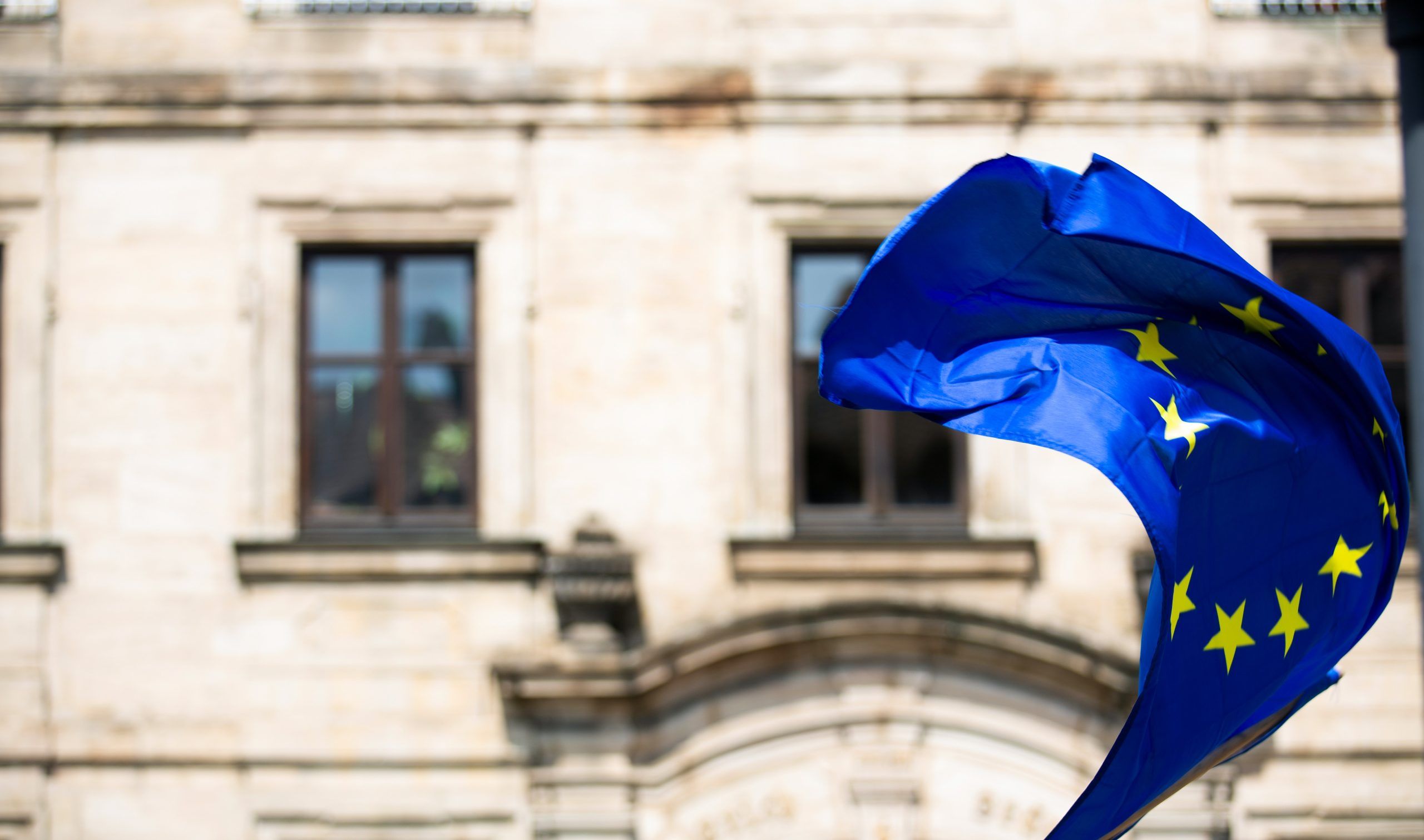
The latest Eurobarometer shows that nearly three quarters of EU citizens consider that their country has benefited from EU membership. Support for the euro, as well as for common defence and security, is among the highest ever recorded. In a contested geopolitical environment, Europeans increasingly call for a stronger and more assertive EU with reinforced economic independence and a common defence and security policy.
Europeans see benefits from the EU membership
74% of Europeans say that their country has benefited from being a member of the EU. Almost six in ten EU citizens (59%) are also optimistic about the future of the EU and nearly three quarters of respondents (73%) say they feel they are citizens of the EU. Trust in the EU remains at a high level with 48% saying they trust the EU.
Europeans wish for a stronger and more assertive EU
Two thirds of respondents (67%) agree that the European Union is a place of stability in a troubled world. Support for strengthening the EU’s economic independence is overwhelming: 83% believe the Union should diversify trade relations globally.
Nearly eight in ten Europeans (79%) are in favour of a common defence and security policy among Member States – the second highest result since 2004. Ensuring peace and stability remains by some distance the action that will have the highest positive impact on European citizens’ life in the short term (selected by 42%), followed by the creation of more job opportunities (26%), securing food, health, and industry supplies in the EU (25%) and managing irregular migration (24%).
In terms of EU budget priorities, citizens would like the EU budget to be spent on employment, social affairs and public health (42%,), education, training, youth, culture and media (36%,) and defence and security (35%,).
Europeans show record support for euro
The Eurobarometer survey registered the highest support ever for the common currency in the EU (74%) and the second highest support in the euro area (82%). When it comes to the perception of the situation of the European economy, 46% of Europeans find it good while 46% find it bad. A majority of citizens (49%) think the European economic situation will remain stable in the next 12 months.
Continued and stable support for the EU’s response to the war in Ukraine
In the face of Russia’s war of aggression against Ukraine, 81% of European respondents agree with welcoming into the EU people fleeing the war, while over three quarters of Europeans (77%) support providing financial and humanitarian support to Ukraine. 73% of EU citizens back economic sanctions on the Russian government, companies, and individuals while nearly six in ten (59%) approve of the EU granting candidate status to Ukraine and 57% agree with the EU financing the purchase and supply of military equipment to Ukraine.
Russia’s invasion of Ukraine remains the most important issue facing the EU (mentioned by 26%) followed by immigration (mentioned by 20%), the international situation (19%), as well as the security and defence (18%). 77% of European respondents agree that Russia’s invasion of Ukraine is a threat to the security of the EU.
Background
The Standard Eurobarometer 104 (autumn 2025) was conducted between 9 October and 5 November 2025 across the 27 Member States. Overall, 26,445 EU citizens were interviewed face-to-face. Interviews were also conducted in nine candidate and potential candidate countries (all except Ukraine) and the United Kingdom.
For more information: European Commission
Publicaciones relacionadas:
 New Eurobarometer shows Europeans’ positive attitude towards language learning
 EU Justice Scoreboard 2024 shows that perception of judicial independence has improved
 Commission proposes a Resettlement and Humanitarian Admission Plan for 2026-2027
 The latest Migration Atlas shows a decline in first-time asylum applications in the EU
 The Expert Group advances knowledge on sustainable urban mobility with its work plan for 2026
Leave a Reply