
The European Union and the Republic of Uzbekistan signed last October 24 an Enhanced Partnership and Cooperation Agreement (EPCA), marking a significant milestone in strengthening bilateral relations. It marks an important deepening of regional ties, elevating them to a new level of strategic cooperation following the EU-Central Asia Summit held on 4 April in Samarkand, Uzbekistan.
President of the European Commission, Ursula von der Leyen, said: “In Samarkand, we made a commitment to deepen our relations with Central Asian countries. Today we are delivering on that commitment, by reinforcing our long-standing relationship with Uzbekistan. The Enhanced Cooperation and Partnership Agreement provides a framework for Uzbekistan and the European Union to work together for the mutual benefit of our citizens. It is the moment to consolidate an already strong partnership.”
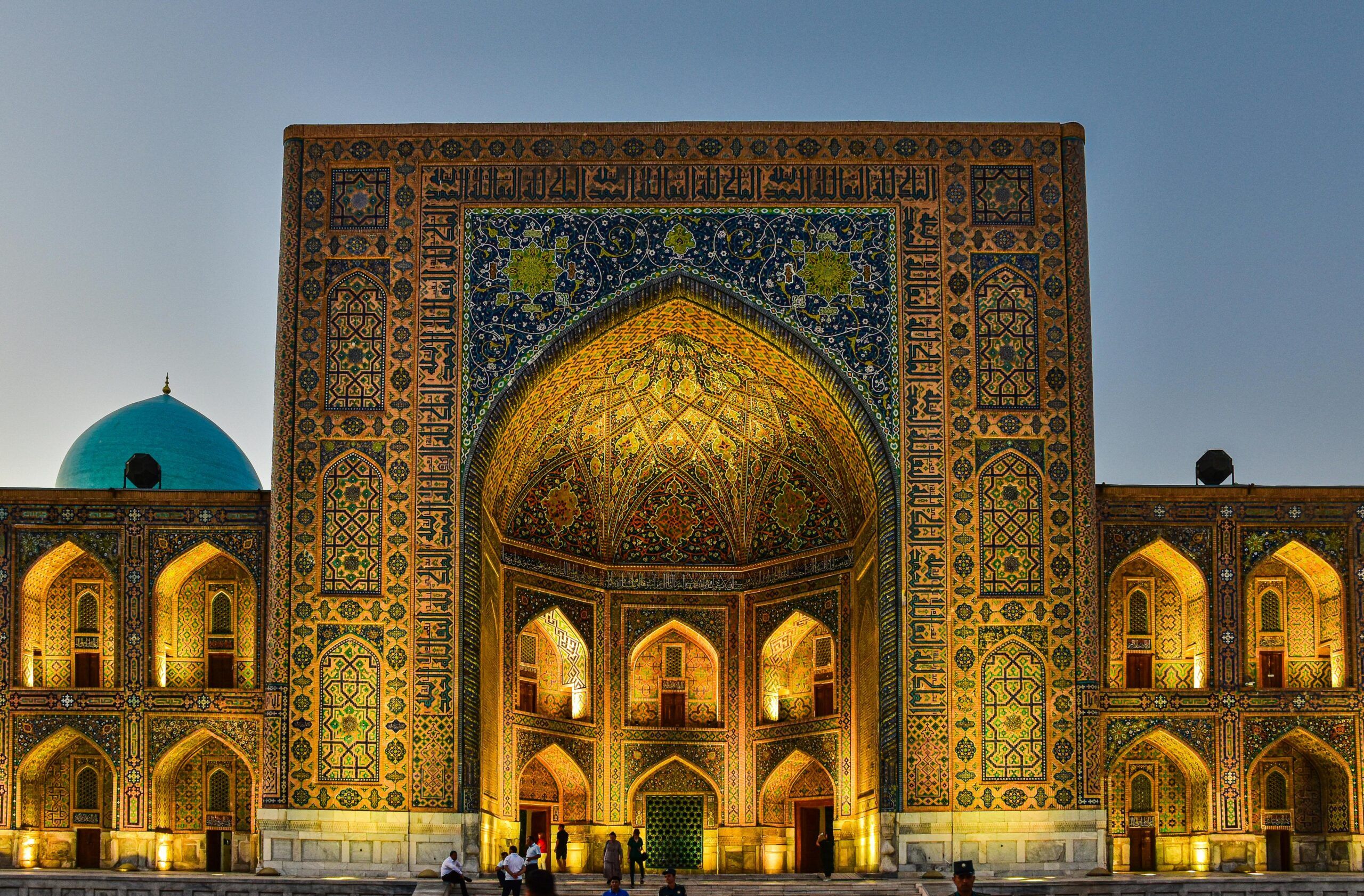
The agreement establishes a new legal basis for reinforcing political dialogue and deepening cooperation in many mutually beneficial areas. These include trade and investment, sustainable development and connectivity, intellectual property, research and innovation, education, environment and climate change, as well as rule of law, human rights, and civil society. It also strengthens cooperation in foreign and security policy, encompassing conflict prevention and crisis management, risk reduction, cybersecurity, regional stability, disarmament, non-proliferation, arms control, and export control.
The agreement opens opportunities for collaboration in new areas such as critical raw materials essential for the green and digital transitions, building on the Memorandum of Understanding signed between the EU and Uzbekistan in 2024. It also supports enhanced regional connectivity, including through the Global Gateway initiative and the Trans-Caspian Transport Corridor.
Through the signing of the EPCA, the EU and Uzbekistan reaffirm their dedication to the principles and norms of international law, and to bolstering peace, stability, and security through effective multilateralism.
The EU and Uzbekistan also announced the conclusion of their bilateral negotiations on market access on services and goods. This is a significant milestone in Uzbekistan’s ongoing accession process to the World Trade Organization (WTO). It underscores the EU’s political support for Uzbekistan’s WTO accession and the underlying economic reform process, as well as for a rules-based multilateral trading system with the WTO at its core. The bilateral EU-Uzbekistan deal includes Uzbekistan’s commitments on maximum tariff rates for import and export of goods and Uzbekistan’s concessions in services. These commitments and concessions will be embodied in the future Protocol of Accession of Uzbekistan to the WTO.
Background
Since April 2021, Uzbekistan has benefited from unilateral preferential access to the EU market via the Special Incentive Arrangement for Sustainable Development (GSP+) under the EU Generalised Scheme of Preferences. The EPCA’s trade and economic provisions complement these GSP+ benefits regarding market access and Uzbekistan’s commitments on sustainability as a GSP+ beneficiary. Uzbekistan is the EU’s second-largest trading partner in Central Asia. GSP+ drove a significant rise in EU-Uzbek trade in goods. Overall trade between the EU and Uzbekistan reached nearly €4.8 billion in 2024 – bilateral EU-Uzbek trade in goods nearly doubled since 2020. The EPCA replaces the Partnership and Cooperation Agreement (PCA) signed in 1996.
The EU is Uzbekistan’s third largest trading partner (accounting for 10.4% of Uzbekistan’s trade in 2024) and its second largest export destination (at 7.2% of Uzbekistan’s exports). Uzbekistan has reiterated its commitment to maintain the momentum in the negotiations to reach the goal of WTO accession at the 14th WTO Ministerial Conference in 2026.
As part of the accession process, WTO accession candidates need to sign bilateral deals with interested WTO members that include tariffs commitments, and services. The commitments undertaken in these bilateral deals will apply to all WTO Members once the candidate’s accession is final.
More information: European Commission
Publicaciones relacionadas:
 EU and Kenya strengthen partnership
 President Ursula von der Leyen in Uzbekistan to take the EU-Central Asia partnership to the next level
 EU and Indonesia conclude negotiations on free trade agreement
 EU and Morocco agree to extend tariff treatment to Western Sahara
 The first EU-Egypt summit will be held in Brussels on 22 October
Leave a Reply