
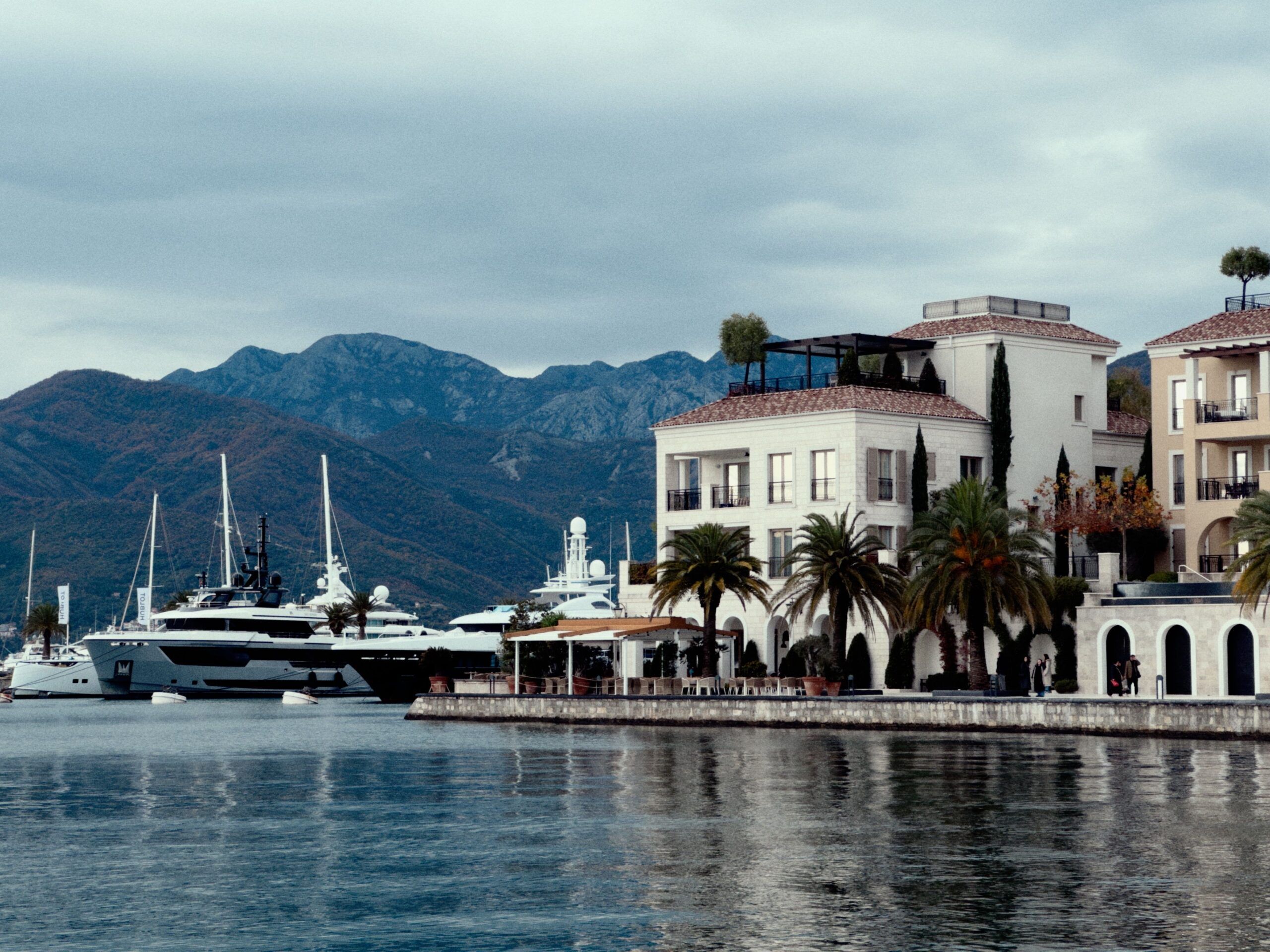
Last June 5, President of the European Commission Ursula von der Leyen, President of the European Council António Costa and President of the European Parliament Roberta Metsola joined leaders from Member States and the six Western Balkan partners at the EU-Western Balkans Summit. The Summit was hosted by Montenegro in Tivat. Leaders took stock of the region’s progress on its European path and discussed the priorities ahead.
President von der Leyen said: “The future of the Western Balkans is in the European Union. With investment, economic integration and closer cooperation, we are bringing the Western Balkans closer to the European Union and together, building a stronger Europe. At a time of growing geopolitical challenges, enlargement is a strategic investment in our shared stability, prosperity and security.”
Delivering benefits for citizens and businesses in the Western Balkans
Leaders welcomed ongoing reforms and reaffirmed the EU’s commitment to a merit-based enlargement process. They stressed that good neighbourly relations and regional cooperation remain essential to unlocking the full benefits of closer integration. They also underlined the importance of further strengthening cooperation on foreign, security and defence policy.
Leaders took stock of the benefits that gradual integration is already bringing to citizens and businesses across the region. They welcomed progress in implementing the Growth Plan for the Western Balkans, including €673.6 million disbursed since 2024 to support reforms and investments. They also encouraged Western Balkan partners to make the most of the opportunities that the Growth Plan offers by delivering on timely reforms.
In this context, leaders also noted advances in trade facilitation through Green Lanes, progress towards integration into the EU Single Market and SEPA, and ongoing investments in digital connectivity across the region.
Building on this progress, the Summit also highlighted new opportunities for cooperation, mobility and connectivity across the region:
- The EU will launch closer cooperation between the Western Balkans and the European Union Agency for Cybersecurity to strengthen resilience against cyber threats.
- A new EU-funded mobility programme with the Regional School of Public Administration will enable up to 100 Western Balkan civil servants to gain professional experience in Member State administrations.
- The Commission intends to extend DiscoverEU to young people from all six Western Balkan partners from 2027, giving them access to the EU’s youth travel programme.
- The Commission has prepared the next steps towards roaming arrangements between the EU and the Western Balkans.
The EU will continue to work closely with all six Western Balkan partners to advance reforms, create new economic opportunities and accelerate their gradual integration into the EU Single Market, supported by the Growth Plan for the Western Balkans.
Background
This is the 8th EU Summit with the Western Balkans. Regular EU-Western Balkans summits have been held since 2018. The latest regular summit between EU and Western Balkans leaders took place in December 2025, with the next one foreseen for December 2026 in Brussels.
The Growth Plan for the Western Balkans, adopted in 2023, aims to bring partners from the region benefits of membership ahead of their accession to the EU. It seeks to integrate them into the EU’s Single Market, advance regional economic cooperation, deepen EU-related reforms and increase pre-accession funding. This in turn accelerates the enlargement process and the growth of partners’ economies. The Plan is supported by the Reform and Growth Facility, its financial instrument with an envelope of €6 billion. Overall financing released under this instrument since 2024 amounts to €673.6 million.
For more information: European Commission
Publicaciones relacionadas:
 EU and Indonesia conclude negotiations on free trade agreement
 The first EU-Egypt summit will be held in Brussels on 22 October
 EU and South Africa advance cooperation on clean trade and investment
 EU and Jordan deepen partnership with first-ever Summit
 The European Union and Central Asia establish a Strategic Partnership during groundbreaking summit
Leave a Reply