
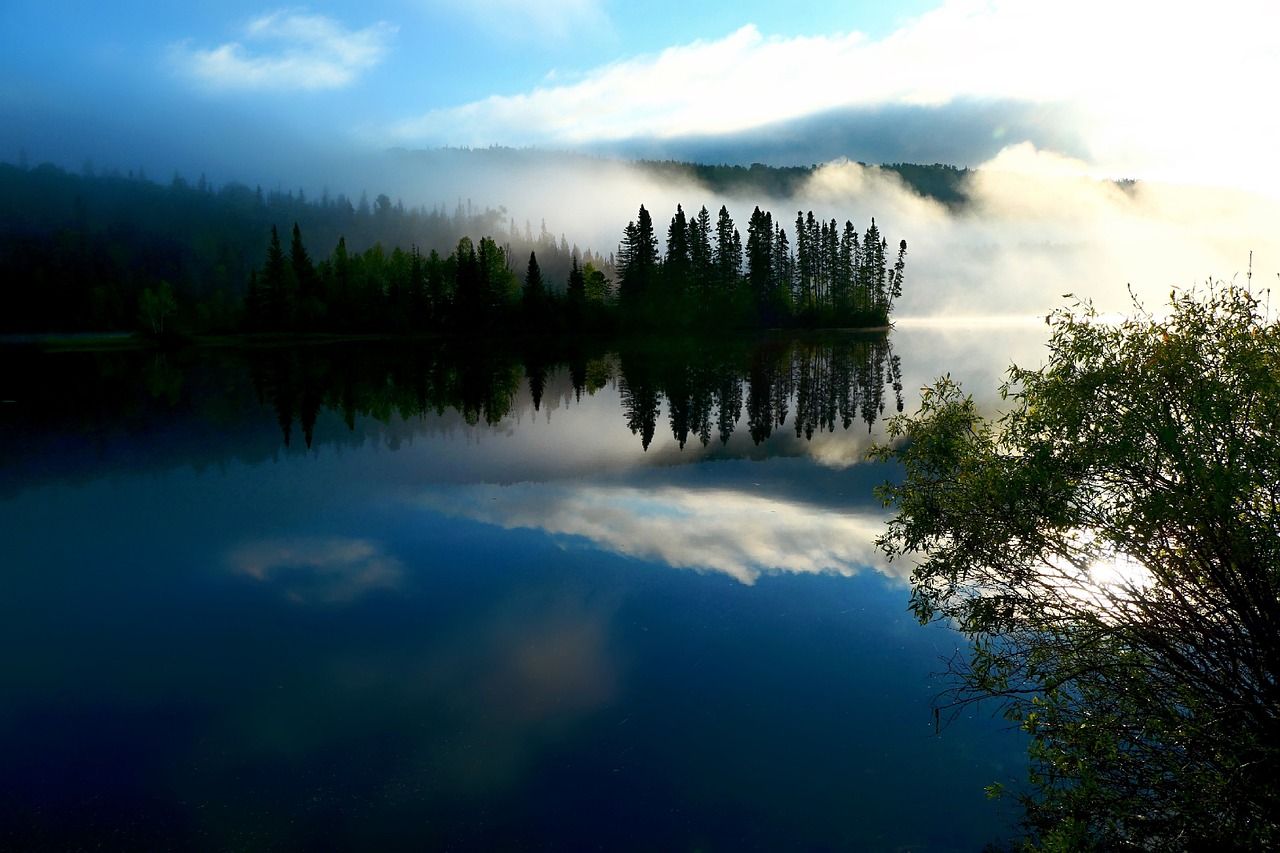
The new law sets a target for the EU to restore at least 20% of the EU’s land and sea areas by 2030 and all ecosystems in need of restoration by 2050.
The EU nature restoration law, agreed with member states, will restore degraded ecosystems in all member states, help achieve the EU’s climate and biodiversity objectives and enhance food security.
To reach the overall EU targets, member states must restore at least 30% of habitats covered by the new law (from forests, grasslands and wetlands to rivers, lakes and coral beds) from a poor to a good condition by 2030, increasing to 60% by 2040, and 90% by 2050. In line with Parliament’s position, EU countries should give priority to Natura 2000 areas until 2030. Once in a good condition, EU countries shall ensure an area does not significantly deteriorate. Member states will also have to adopt national restoration plans detailing how they intend to achieve these targets.
Agriculture ecosystems
To improve biodiversity in agricultural ecosystems, EU countries will have to make progress in two of the following three indicators: the grassland butterfly index; the share of agricultural land with high-diversity landscape features; the stock of organic carbon in cropland mineral soil. Measures to increase the common farmland bird index must also be taken as birds are good indicators of the overall state of biodiversity.
As restoring drained peatlands is one of the most cost-effective ways to reduce emissions in the agricultural sector, EU countries must restore at least 30% of drained peatlands by 2030 (at least a quarter shall be rewetted), 40% by 2040 and 50% by 2050 (where at least one-third shall be rewetted). Rewetting will remain voluntary for farmers and private landowners.
The law provides for an emergency brake, as requested by Parliament, so targets for agricultural ecosystems can be suspended under exceptional circumstances if they severely reduce the land needed for sufficient food production for EU consumption.
Other ecosystems
The law also demands a positive trend in several indicators in forest ecosystems and an additional three billion trees to be planted. Member states will also have to restore at least 25 000 km of rivers into free-flowing rivers and ensure there is no net loss in the total national area of urban green space and of urban tree canopy cover.
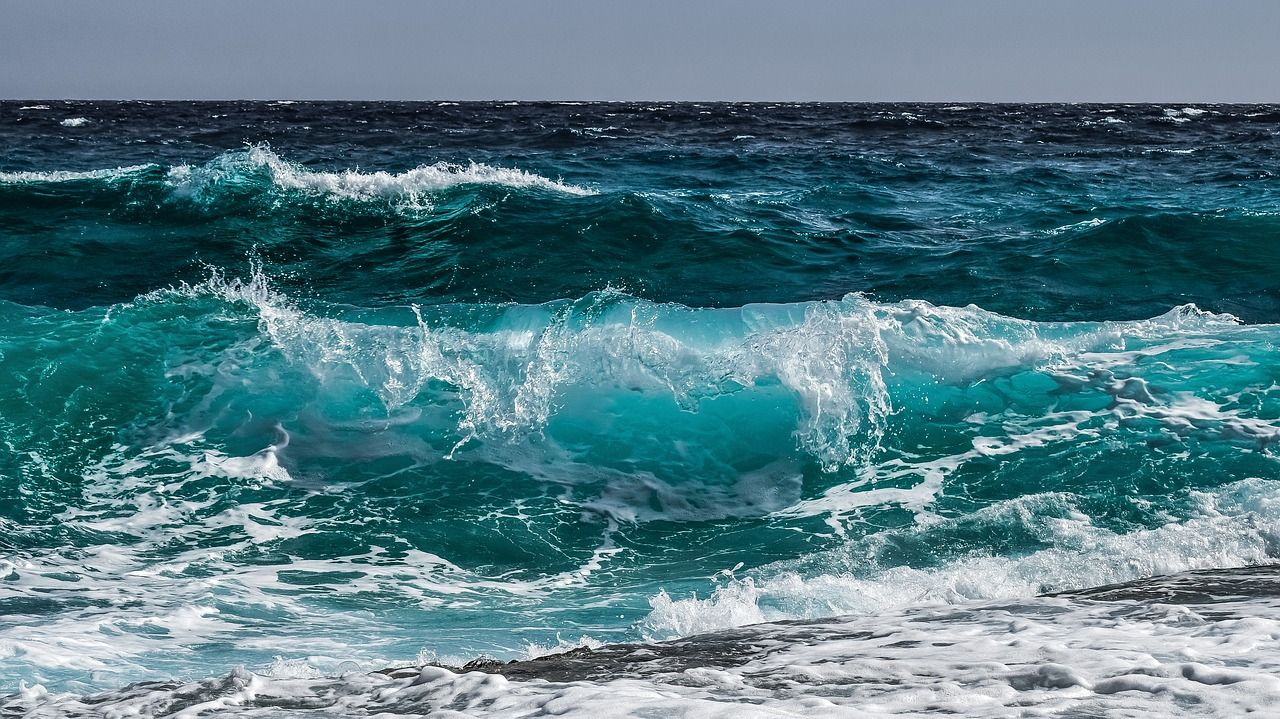
Horizon Europe: European Blue Parks – Protection and restoration of marine habitats |
Quote
After the vote, rapporteur César Luena (S&D, ES), said: “Today is an important day for Europe, as we move from protecting and conserving nature to restoring it. The new law will also help us to fulfil many of our international environmental commitments. The regulation will restore degraded ecosystems while respecting the agricultural sector by giving flexibility to member states. I would like to thank scientists for providing the scientific evidence and fighting climate denial and young people for reminding us that there is no planet B, nor plan B.”
Next steps
The deal agreed with member states was adopted with 329 votes in favour, 275 against and 24 abstentions.
It now also has to be adopted by Council, before being published in the EU Official Journal and entering into force 20 days later.
Publicaciones relacionadas:
 State of the Energy Union 2021
 New road charging rules adopted by Council
 The European Commission prolongs the block exemption regulation in the motor vehicle sector
 European Commission proposes detergents regulation to better protect health and environment
 EU industry ministers agree new Euro 7 standards
Leave a Reply